The Lead
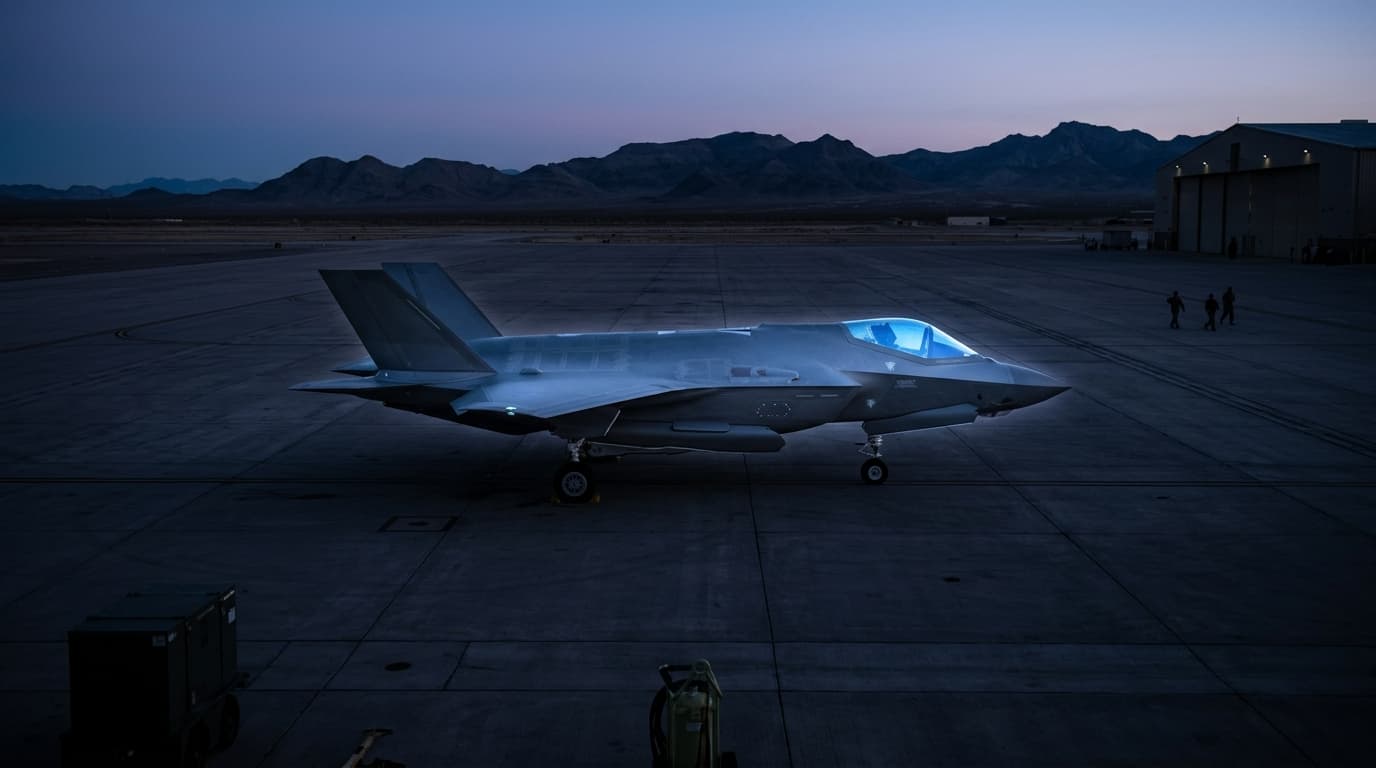
U.S. Central Command (CENTCOM) conducted a series of intense airstrikes against dozens of Islamic Revolutionary Guard Corps (IRGC) targets across Iran early Thursday morning. The operation, which began at 05:00 Jerusalem time (22:00 ET Wednesday), targeted strategic military infrastructure including command-and-control centers, missile facilities, and UAV depots. This new wave of kinetic activity follows a six-day operational pause and serves as a direct response to an Iranian ballistic missile attack launched against U.S. forces on July 28, which was successfully intercepted.
Resumption of Kinetic Operations
After nearly a week of relative quiet, the United States has re-initiated its air campaign against the Iranian regime. According to official statements from CENTCOM, the strikes were executed with high precision and focused on degrading the core capabilities of the Islamic Revolutionary Guard Corps. The targets included not only missile and drone infrastructure but also naval assets and surveillance positions. Reports from the ground, cited by security analysts, indicated explosions in the Ahvaz region of southwestern Iran, a known logistical hub for the IRGC.
Retaliation for Ballistic Missile Fire
The Pentagon characterized this operation as a "powerful response" to Iranian aggression. On July 28, the IRGC launched several ballistic missiles from Iranian territory in what U.S. officials described as an attempted surprise attack on American personnel stationed in the Middle East. While all incoming threats were intercepted by U.S. defense systems, the attempt triggered a shift back to active kinetic engagement. This follows a pattern established throughout July 2026, where the U.S. has moved from a posture of deterrence to one of direct degradation of Iranian military assets.
Strategic Context and Force Posture
As The Zioneer reported earlier, the American air campaign has previously targeted over 14 confirmed locations across Iran, including strategic sites in Tabriz, Bushehr, and Bandar Abbas. The six-day pause that preceded tonight's strikes was the longest break in activity since the high-intensity phase of the confrontation began. Analysts suggest such intervals are typically used for damage assessment and intelligence gathering before the next phase of operations.
Currently, more than 50,000 U.S. troops remain deployed across the Middle East. CENTCOM emphasized that these forces are on high alert and possess the necessary capabilities to continue the campaign as required. The use of heavy strategic assets in prior waves, such as B-1B Lancer bombers, underscores the scale of the American commitment to neutralizing threats to regional stability and maritime security in the Strait of Hormuz.
Outlook
The situation remains developing as the full extent of the damage from the latest strikes is assessed. While the U.S. has been transparent about its targets being strictly military, the Iranian regime has yet to issue a formal comprehensive response. The regional focus remains on whether this wave signals a return to nightly strikes or a targeted retaliatory cycle. For now, American forces maintain a high state of readiness to counter any further IRGC provocations.
12 developments
- The Zioneer Intelligence Desk
- CENTCOM Completes 13th Night of Strikes on Iran, Targeting Command Centers and UAV DepotsEditorially linked
- CENTCOM confirms 12th straight night of U.S. strikes on Iran is underwayEditorially linked
- US reportedly strikes IRGC headquarters and airport in Saravan, southeast IranEditorially linked
- US official: Iran launched missiles, drones at American bases across Mideast; nearly all interceptedShared subject
- Lebanese Health Ministry Reports 12 Killed, 15 Wounded in Southern Lebanon Since Midnight
- Netanyahu tells Likud court he will publish reserved slots list by morning with time for review
- N12 poll: Eisenkot overtakes Netanyahu by significant gap in PM suitability this week
- Li Ayesh: severe indictment filed against East Jerusalem man who sold weapon to Ben-Gvir plotter