The Lead
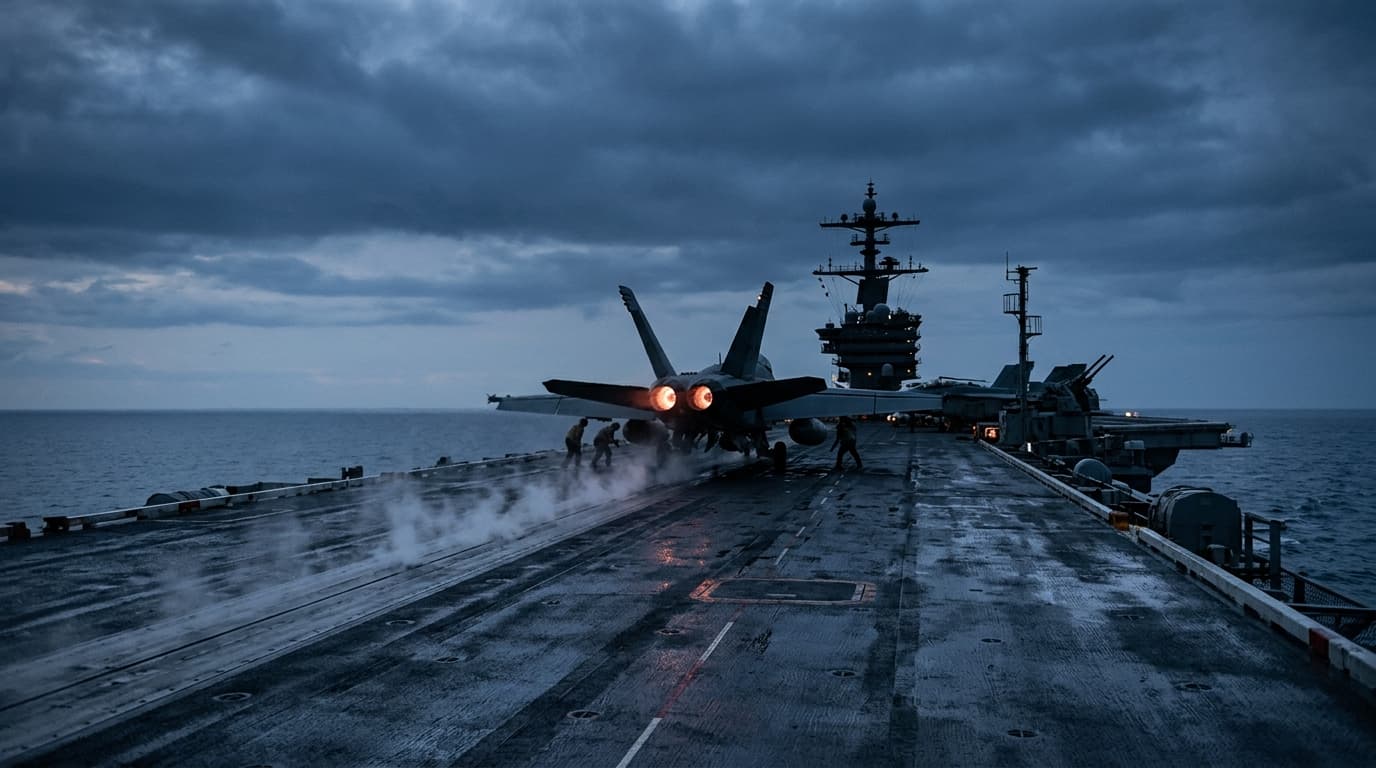
U.S. Central Command (CENTCOM) confirmed early Thursday that American forces have launched a 12th consecutive night of strikes against military targets in Iran. The official acknowledgment follows reports from security sources earlier tonight indicating that the focus of the current wave is centered on southern Iran, continuing a sustained air campaign that has significantly escalated regional tensions.
The ongoing military operation marks a significant milestone in the direct kinetic confrontation between Washington and Tehran. According to material reviewed by The Zioneer Intelligence Desk, the 12th wave of strikes began shortly after midnight on Thursday, with initial reports from Hebrew security sources identifying southern Iran as the primary theater of operations. CENTCOM's subsequent confirmation solidifies the status of this campaign as one of the most sustained U.S. air operations in the region in recent years.
Context and Background
This escalation follows the collapse of the 'Islamabad' memorandum and the subsequent Iranian closure of the Strait of Hormuz. Over the past 11 nights, U.S. forces have systematically targeted Iranian command centers, maritime capabilities, aircraft hangars, and drone storage facilities. As previously reported by The Zioneer, the 11th night of strikes lasted approximately 75 minutes and aimed to further degrade the Islamic Revolutionary Guard Corps (IRGC) infrastructure and its ability to threaten international shipping. The current campaign is part of a broader U.S. strategy to reinstate a naval blockade and respond to over 30 Iranian attacks on commercial vessels in recent months.
Analysis of the Current Wave
While specific target lists for the 12th night have not yet been fully released, the focus on southern Iran suggests a continued emphasis on neutralizing naval and coastal assets that overlook the Persian Gulf. The consistency of these nightly strikes—now nearly two weeks without interruption—indicates a shift from sporadic retaliation to a high-intensity attrition strategy. The Zioneer Intelligence Desk notes that while the U.S. military has been transparent about the fact of the strikes, the full extent of the damage to Iran's strategic depth remains subject to ongoing assessment. Iranian state media has historically downplayed the impact of such strikes, creating a gap between CENTCOM's reported achievements and Tehran's internal narrative.
Outlook
The continuation of this campaign into its 12th night signals that the United States is prepared for a prolonged engagement until its strategic objectives—likely the reopening of the Strait of Hormuz and the degradation of Iranian missile and nuclear-adjacent capabilities—are met. For Israel and the broader region, the sustained American presence and kinetic activity represent a fundamental shift in the security architecture. Observers should watch for potential Iranian retaliatory measures against U.S. regional bases or partners, which have occurred intermittently throughout this 12-day window.
6 developments