The Lead
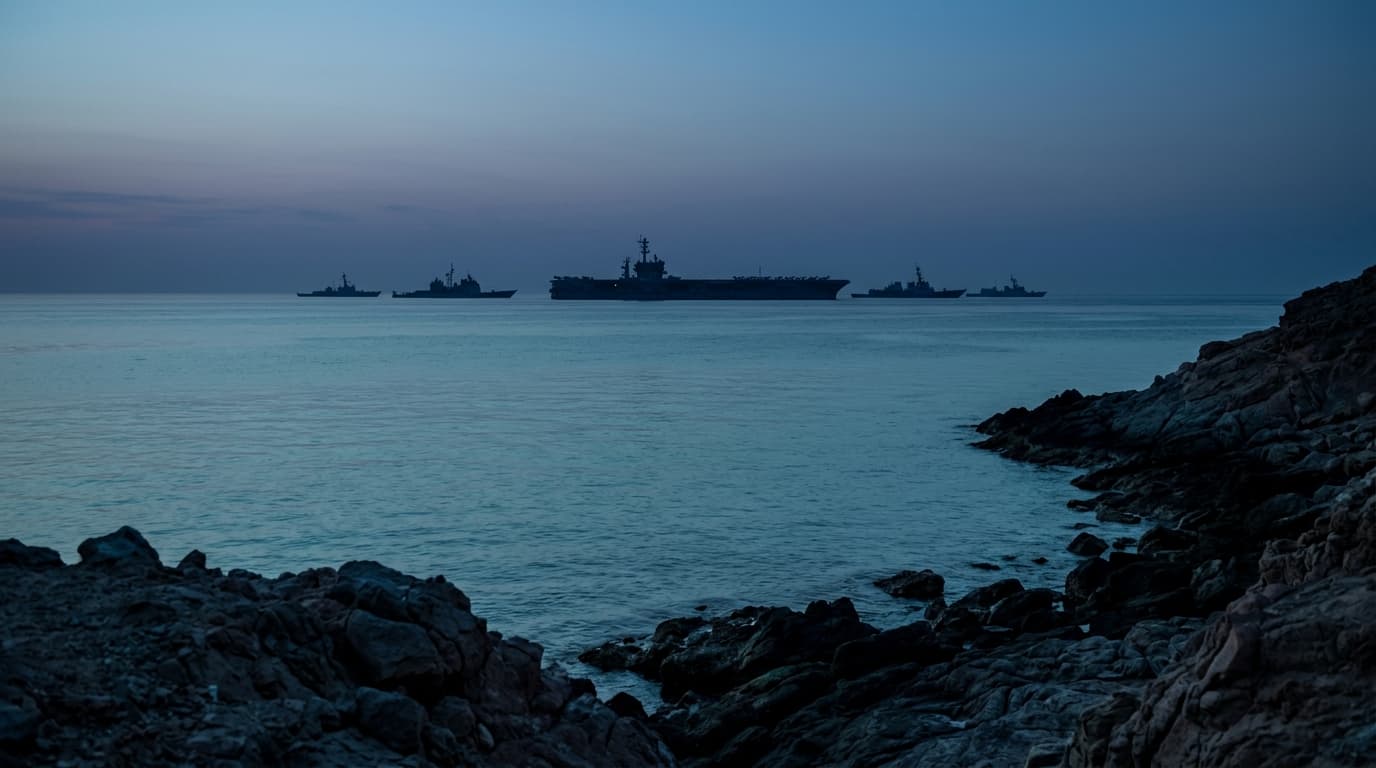
U.S. Central Command (CENTCOM) announced the completion of a five-hour wave of strikes against Iranian military infrastructure early Tuesday morning. The operation, which concluded at 05:15 Jerusalem time, targeted coastal defense systems, missile and drone launch sites, and maritime capabilities across six strategic locations in southern Iran.
Most-used research source domains
SourcesAs of Jul 14, 2026, 10:31 AM
| Label | Sources |
|---|---|
| youtube.com | 526 sources |
| facebook.com | 456 sources |
| instagram.com | 403 sources |
| timesofisrael.com | 138 sources |
| bbc.com | 99 sources |
| jpost.com | 72 sources |
| reuters.com | 65 sources |
| x.com | 63 sources |
| ynetnews.com | 63 sources |
| aljazeera.com | 61 sources |
| iranintl.com | 61 sources |
| cbsnews.com | 52 sources |
| pbs.org | 51 sources |
| cnn.com | 42 sources |
Targeted Strikes Across the Southern Coast
U.S. Central Command confirmed that the latest round of kinetic operations targeted military installations in Bushehr, Chabahar, Jask, Konarak, Abu Musa, and Bandar Abbas. According to material reviewed by The Zioneer Intelligence Desk, the strikes were specifically designed to degrade the Iranian regime's ability to threaten commercial shipping in the Persian Gulf and the Strait of Hormuz. The operation represents a significant continuation of the direct confrontation between Washington and Tehran that has intensified throughout July 2026.
Strategic Context and Regional Posture
The locations targeted—including the nuclear hub of Bushehr and the naval center of Bandar Abbas—are critical to Iran's regional power projection. This wave of strikes follows reports of Iranian cruise missile attacks on Emirati oil tankers earlier in the night, which resulted in at least one fatality. CENTCOM emphasized that the U.S. military remains heavily invested in the region's security, with over 50,000 service members currently deployed across the Middle East. The command described its forces as "vigilant, lethal, and ready" to respond to further Iranian aggression.
Analysis and Outlook
As of Tuesday morning, the situation remains tense. While the U.S. has concluded this specific wave of strikes, the broader conflict shows no signs of de-escalation. Reports from regional channels indicate that alarms were activated in Bahrain during the night, reflecting the high state of alert among U.S. allies. The Zioneer Intelligence Desk is monitoring for official Iranian damage assessments and potential retaliatory measures against regional shipping or Western assets. The transition of this conflict into a sustained kinetic campaign suggests that both sides are prepared for a prolonged engagement along Iran's maritime borders.
4 developments
- The Zioneer Intelligence Desk
- Israel and Lebanon resume talks in Rome, timeline for Hezbollah disarmament unclear
- Additional US refueling tankers land at Ben Gurion Airport from the Gulf
- Additional Explosions Reported in Iran Within the Past Hour
- Regev limits US refuelers at Ben Gurion to 20; Transport Ministry blames Defense Ministry for shortage