The Lead
The United States military announced Monday morning that it has completed its ninth consecutive night of strikes against Iran, targeting command centers, air defenses, and naval assets. In a rare acknowledgment of impact, the deputy governor of Bushehr province confirmed that two military installations in Khormoj were hit during the operation, causing temporary power outages in the area.
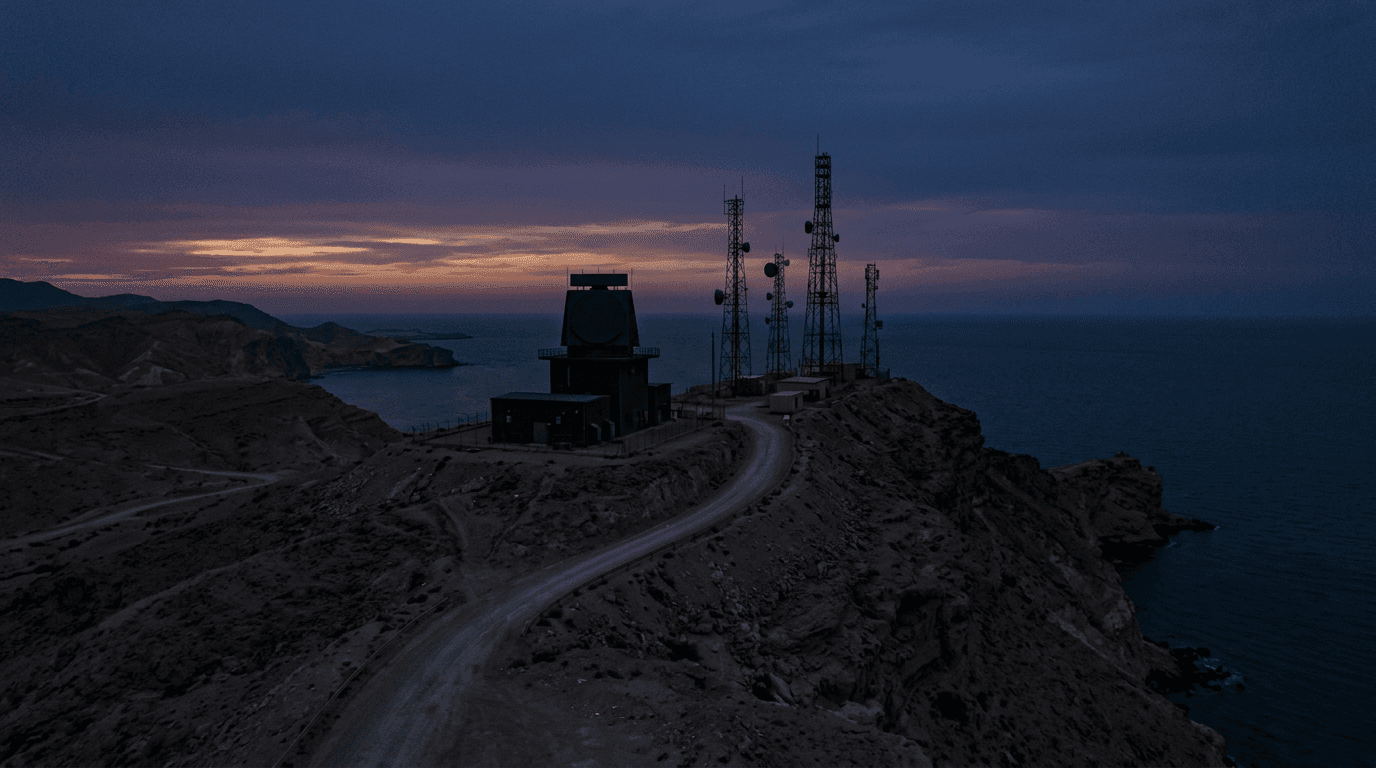
The U.S. Central Command (CENTCOM) concluded its latest wave of kinetic operations at approximately 05:00 Jerusalem time, marking nine days of sustained military pressure on the Islamic Republic. According to official statements and reports reviewed by The Zioneer Intelligence Desk, the strikes targeted a broad array of strategic infrastructure, including coastal surveillance sites, missile and drone launch facilities, and communication networks. ### Geographic Expansion and Local Impact For the first time in this escalation cycle, reports emerged of American strikes in Tabriz, located in northwestern Iran, signaling a significant geographic expansion beyond the southern coastal regions. However, the most detailed confirmation of damage came from Bushehr province. The deputy governor stated that the city of Khormoj was targeted in two distinct phases. While Iranian authorities claimed power has since been restored, the acknowledgment of hits on military installations underscores the precision of the current U.S. campaign. ### Strategic Objectives CENTCOM stated that the primary objective remains the degradation of Iran's ability to threaten commercial shipping and civilian vessels in the Strait of Hormuz. By neutralizing command-and-control centers and air defense arrays, the U.S. military aims to ensure freedom of navigation in the world's most critical maritime chokepoint. This campaign follows the collapse of the 'Islamabad' memorandum earlier this month, which transitioned the regional standoff into a direct kinetic confrontation. ### Outlook As the conflict enters its second week of open warfare, the U.S. military remains at its highest state of readiness. The transition from localized strikes near the Persian Gulf to targets as far north as Tabriz suggests a strategy of systemic degradation of Iranian military coordination. Observers are now monitoring for potential Iranian retaliation, which has previously included missile barrages against U.S. assets in neighboring countries.
9 developments
- The Zioneer Intelligence Desk
- US officials: Trump may decide in days to expand Iran strikes as refueling planes moved to Israeli bases
- Report: Another tanker attacked in the Strait of Hormuz
- Trump: 'Very good conversation' with Burnham on clearing mines from Strait of Hormuz
- Canada PM says new US tariffs violate trade agreement, will intensify discussions