The Lead
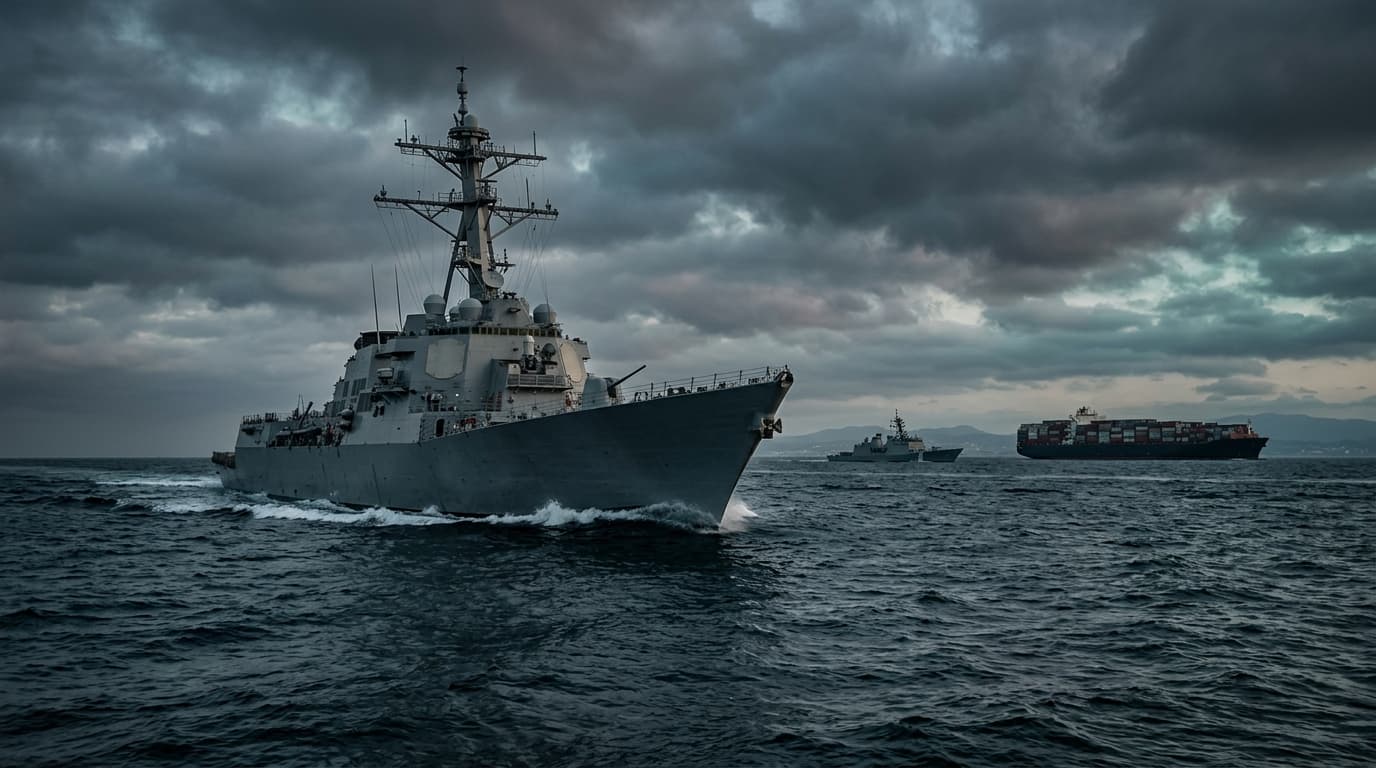
U.S. Central Command (CENTCOM) announced Tuesday that more than 20 naval vessels are currently operating in the Middle East as part of a sustained maritime enforcement campaign against Iran. According to the command, 22 commercial vessels have been disabled, diverted, or boarded by American forces so far as part of the ongoing effort to secure strategic waterways and restrict Iranian maritime activity.
The disclosure by U.S. Central Command highlights the scale of the naval blockade first initiated in mid-July 2026. The deployment of over 20 ships represents a significant concentration of maritime power aimed at neutralizing the Islamic Revolutionary Guard Corps' (IRGC) ability to disrupt global trade. The interdiction of 22 vessels—ranging from boarding operations to total disablement—marks the most active phase of American maritime enforcement in the Persian Gulf and Gulf of Oman in recent years.
Strategic Context and Diplomatic Shifts
This operational update follows a period of high-intensity kinetic action. As The Zioneer reported earlier this month, the U.S. military transitioned to active engagement following Iranian provocations in the Strait of Hormuz, including attacks on over 30 commercial vessels. The current blockade, which officially began on July 14, is designed to systematically erode the Iranian regime's offensive capabilities and enforce an embargo on prohibited goods.
While CENTCOM maintains its military pressure, regional diplomatic channels are reporting potential movement toward a temporary resolution. According to reports from regional diplomats, there is progress in resolving the crisis in the Strait of Hormuz. The proposed temporary solution reportedly involves the activation of a maritime route between Iranian and Omani territory. However, significant hurdles remain, specifically regarding Iran's demands for the collection of customs duties, for which no solution has yet been found.
Outlook for Regional Security
The situation remains in a state of developing tension. While the U.S. maintains a force of approximately 50,000 service members in the theater to ensure deterrence, the shift toward diplomatic mediation via Oman suggests a dual-track approach by Washington. The effectiveness of the blockade in the coming days will likely depend on whether these diplomatic overtures can address the underlying issues of maritime sovereignty and the IRGC's continued attempts to exert control over international shipping lanes.
2 developments
- The Zioneer Intelligence Desk
- CENTCOM completes new round of strikes in Iran, hitting over 80 targets and 60 IRGC boatsShared subject
- Washington Post: CENTCOM Strikes Against Iran May Continue for HoursShared subject
- CENTCOM Diverted 86 Commercial Vessels as Part of Iran Naval BlockadeShared subject
- CENTCOM: 55 commercial ships transit Strait of Hormuz, traffic increasesShared subject
- Hamas confirms elimination of senior military wing figure Farah Hamad in Gaza City
- The Zioneer releases second chapter of Netanyahu's Oct. 7 account; details first hours and Jericho Wall concealment
- IRGC Reportedly Launches Missiles Toward Strait of Hormuz
- Pakistan warned Iran over Houthi strikes; Iran allegedly ordered Houthi attack on Saudi – Reuters