The Lead
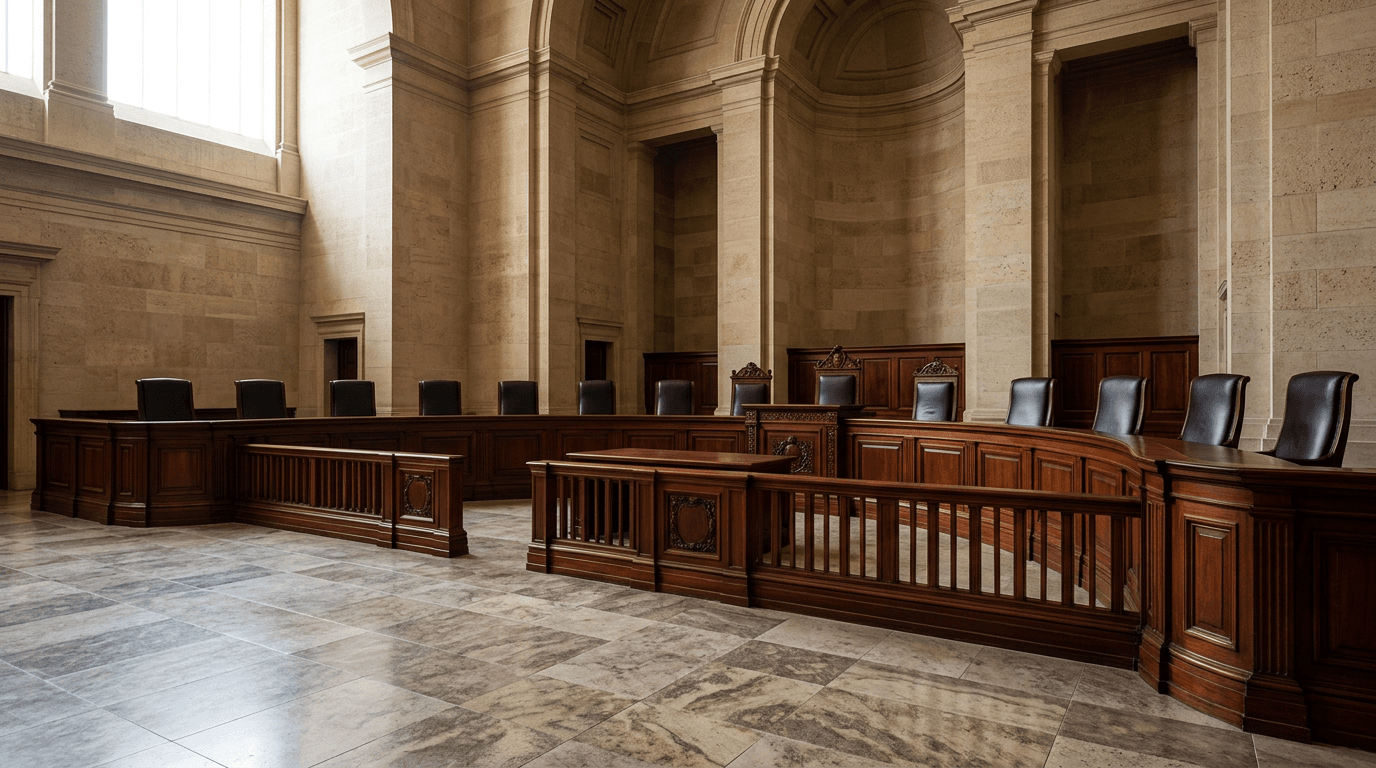
The High Court of Justice convened Sunday morning with all 15 justices to hear petitions against the law altering the Judicial Selection Committee. This marks the first time the full panel has assembled since the landmark reasonableness standard debate. Chief Justice Yitzhak Amit opened the proceedings by acknowledging that the legislation introduces a "significant change" to Israel's judicial appointment process.
The High Court of Justice (HCJ) began a high-stakes hearing Sunday morning regarding petitions filed against the amendment to the Basic Law: The Judiciary, which seeks to restructure the Judicial Selection Committee. The session is being presided over by all 15 justices, a rare procedural step reserved for matters of profound constitutional importance. Chief Justice Yitzhak Amit, in his opening remarks, emphasized the weight of the legislation, stating that there is no dispute regarding the magnitude of the change it imposes on the selection of judges in Israel.
Political and Legal Context
The hearing has drawn significant attention from across the political spectrum. MK Tali Gottlieb (Likud) and MK Karin Elharrar (Yesh Atid) were among the first lawmakers to arrive at the court, representing the opposing sides of the judicial reform debate. The legislation under review aims to alter the balance of power within the Judicial Selection Committee, a body that has historically balanced representatives from the government, the Knesset, the judiciary, and the Israel Bar Association.
This session follows a period of intense legal friction. Earlier this month, the High Court ruled that Justice Minister Yariv Levin must cooperate with Chief Justice Amit, despite the minister's objections to Amit's appointment. The current petitions argue that the new law undermines the independence of the judiciary by increasing political influence over appointments.
Analysis and Outlook
The decision to convene the full 15-justice panel underscores the court's view of the case as a fundamental challenge to Israel's constitutional framework. While the government maintains that the reform is necessary to restore balance between the branches of government, petitioners argue it threatens the democratic principle of judicial independence. As the hearing progresses, the court will likely focus on whether the Knesset exceeded its authority in amending a Basic Law in a manner that might alter the core identity of the state's judicial system. The proceedings are expected to continue throughout the day, with a ruling likely to take several months.
3 developments
- N12
- Expanded High Court of Justice to hear petitions against judicial selection committee reformEditorially linked
- MK Simcha Rothman defends judicial selection reform ahead of High Court rulingEditorially linked
- President Amit warns of 'regime change' as High Court debates judicial selection reformEditorially linked
- Supreme Court President warns political appointments will reshape judiciary within 15 yearsEditorially linked