The Lead
Hezbollah claimed responsibility tonight for its first attack on Israeli Defense Forces (IDF) since the current ceasefire took effect, utilizing drones and anti-tank missiles against troops operating in southern Lebanon. The claim, reported by Israeli media and Hezbollah-linked channels, marks a significant challenge to the fragile stability established in the post-ceasefire period.
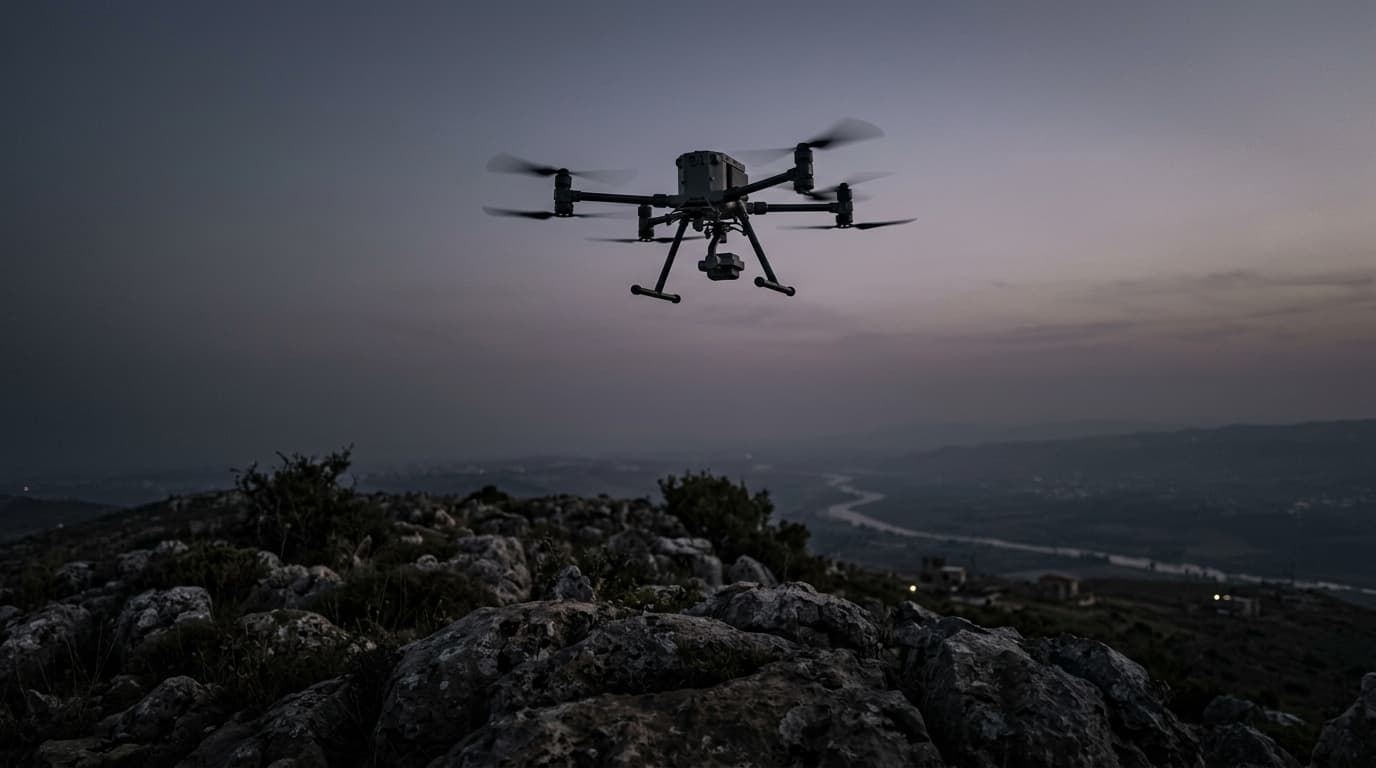
Hezbollah announced on Monday night that it had targeted Israeli soldiers in southern Lebanon, marking the first time the group has officially claimed an attack since the cessation of hostilities was implemented. According to material reviewed by The Zioneer Intelligence Desk, the group specified that the strike involved the use of both drones and anti-tank missiles. The attack follows a day of reported friction in the sector, as the IDF continues to hold captured territory and destroy terror infrastructure within its security zones.
Context of the Ceasefire
The claim comes during a highly sensitive period following the announcement of a ceasefire. While the IDF has halted its advance into new Lebanese territory, it remains stationed in strategic areas of southern Lebanon to ensure the removal of Hezbollah's subterranean and surface-level military assets. Earlier today, reports indicated that the Israeli Air Force had carried out its own first precision strike since the announcement, targeting a vehicle in response to an immediate threat. Hezbollah's latest claim suggests a deliberate decision to resume fire, with the group stating it has returned to "responding" after briefly holding its fire following the agreement.
Security Analysis
This development is being treated as a major escalation by security analysts. The use of sophisticated weaponry like anti-tank missiles and drones indicates a coordinated effort rather than a localized skirmish. While Hezbollah channels claim they are responding to Israeli presence and demolition operations, the IDF maintains its right to act against immediate threats and to continue the neutralization of infrastructure that poses a direct danger to northern Israeli communities.
Outlook
The situation remains developing as the Israeli political and military leadership evaluates the appropriate response to this clear violation of the ceasefire's spirit and terms. Prime Minister Netanyahu, speaking earlier tonight, emphasized that Israel will remain in security zones as long as necessary to protect its interests. The coming hours will be critical in determining whether this attack remains an isolated incident or signals a broader collapse of the current diplomatic understandings.
5 developments
- The Zioneer Intelligence Desk
- IDF carries out first airstrike in Lebanon since ceasefire announcementShared subject
- Hezbollah Accuses Israel of Ceasefire Violations, Claims Continued CommitmentShared subject
- IDF investigates whether missile struck forces after drone attack on rescue teamRelated analysis
- Hezbollah Rockets Hit Saint George's Church in Southern Lebanon — Then Blamed IsraelRelated analysis
- Report: American aircraft damaged in yesterday's missile attack on Jordan
- The Zioneer releases second chapter of Netanyahu's Oct. 7 account; details first hours and Jericho Wall concealment
- Houthis capture key port city of al-Mokha, tighten grip on Bab el-Mandeb Strait
- Video appears to show US sinking five Iranian oil tankers in retaliation for destroyer attack