The Lead
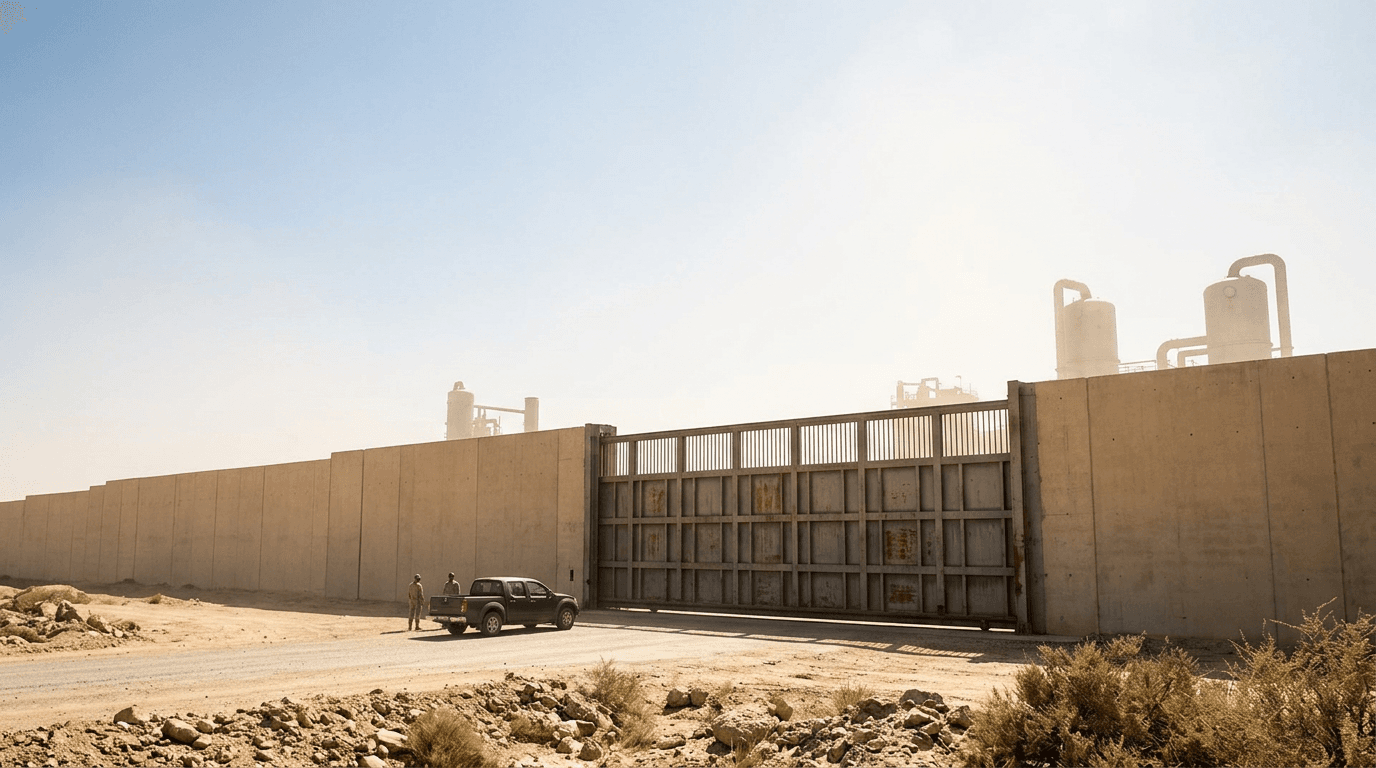
Iran announced Tuesday that it will not permit International Atomic Energy Agency (IAEA) inspectors to access nuclear sites damaged in recent strikes, according to reports from Israel Hayom. The move signals a significant hardening of Tehran's position on international monitoring as tensions over its nuclear program continue to escalate.
Hardening the Nuclear Stance
Iran's refusal to grant access to its damaged nuclear facilities represents a direct challenge to international oversight. According to material reviewed by The Zioneer Intelligence Desk, the Iranian government has explicitly stated it has no intention of allowing IAEA inspectors into the specific locations targeted in recent military actions. This development follows a period of intense speculation regarding the extent of the damage to Iran's nuclear infrastructure and the regime's willingness to comply with international safeguards.
Context of the Confrontation
The announcement comes amid a broader strategic struggle over Iran's nuclear ambitions. Earlier this month, the United States circulated a draft resolution at the IAEA demanding that Tehran provide "accurate information" regarding its bombed sites and enriched uranium stockpiles. While some diplomatic channels had previously suggested that a deal might involve renewed inspections, the current statement from Tehran appears to contradict those optimistic assessments, including recent claims by U.S. officials that an IAEA visit was imminent.
Analysis and Verification Gaps
The Zioneer Intelligence Desk notes that this statement serves as a formal rejection of international demands for transparency. By barring inspectors from struck sites, Iran prevents the independent verification of both the damage sustained and the nature of the activities previously conducted at those locations. This lack of access complicates the IAEA's mission to ensure that nuclear material has not been diverted or that clandestine activities are not continuing under the guise of repair work.
Strategic Outlook
Tehran's decision to close these sites to international eyes increases the likelihood of further diplomatic friction and potential escalation. For Israel, which views a nuclear-armed Iran as an existential threat, the lack of international verification reinforces the necessity of independent intelligence and security measures. The international community now faces a critical juncture: whether to accept Iran's restrictions or to increase pressure through further resolutions and sanctions at the IAEA Board of Governors.
4 developments
- The Zioneer Intelligence Desk
- Iran openly contradicts Vance: No IAEA access to damaged nuclear sitesEditorially linked
- Iran officially denies agreeing to IAEA inspector entryEditorially linked
- Trump Rejects Iranian Denials, Threatens to Cancel Meetings Over IAEA AccessEditorially linked
- Ahead of Switzerland talks, first US demand: IAEA inspectors at Iranian nuclear sitesEditorially linked
- Iranian opposition channels: Mojtaba Khamenei in critical condition, death could come at any moment
- Lebanese president informs government of positive progress in talks with Israel
- Recanati family informs shareholders of plan to sell 29% stake in Maccabi Tel Aviv to Jason Levin
- Russia expands anti-drone netting at nuclear submarine base in Kamchatka