The Lead
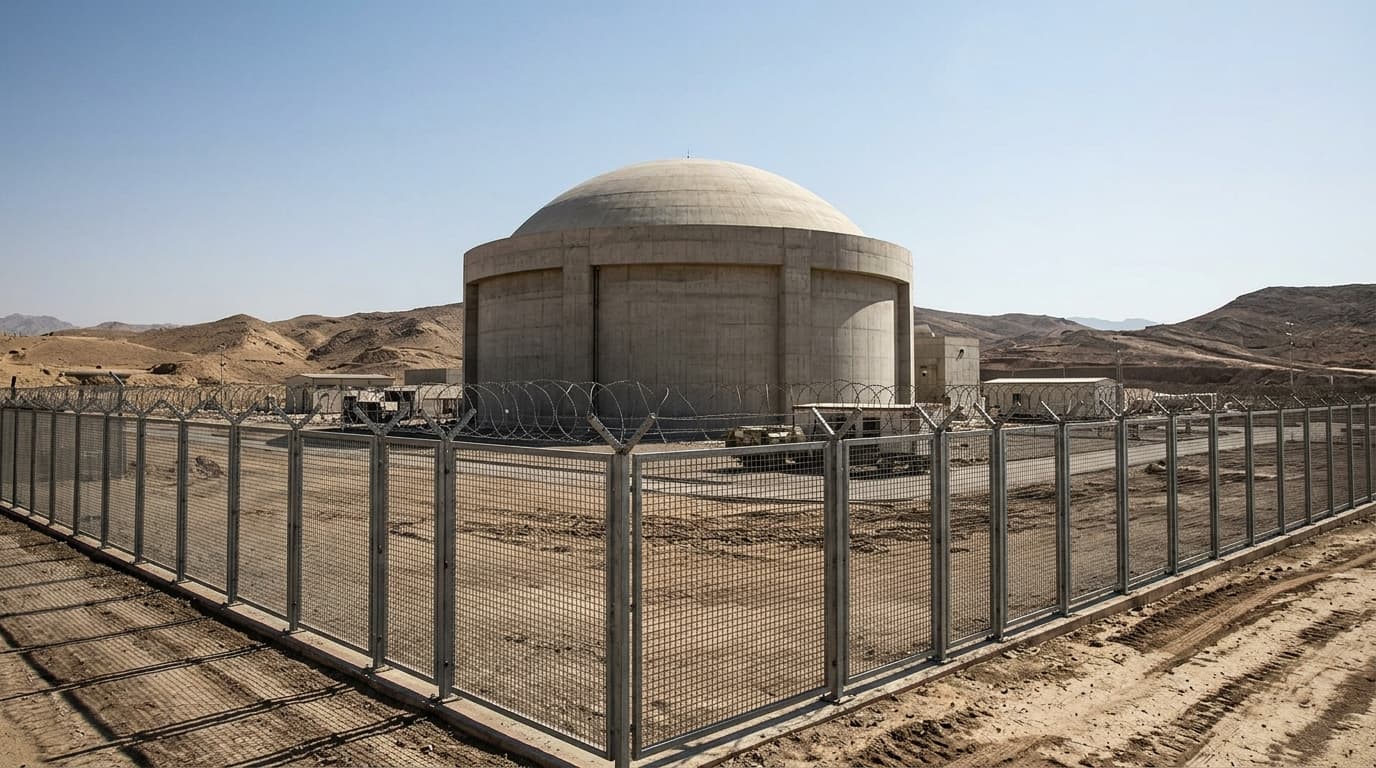
Iranian Foreign Ministry spokesman Esmail Baghaei stated Wednesday that Tehran has no plans to allow International Atomic Energy Agency (IAEA) inspectors to enter nuclear sites damaged during the war. The official declaration directly contradicts recent assertions by U.S. Vice President JD Vance regarding progress toward nuclear verification and reinforces a hardening of the Iranian position.
The statement by Esmail Baghaei marks a significant escalation in the diplomatic friction between Tehran and Washington. According to material reviewed by The Zioneer Intelligence Desk, Baghaei clarified that Iran has not held any meetings with the IAEA Director General regarding the damaged facilities and that no such inspection plan is currently on the table. This follows claims made earlier this week by Vice President JD Vance, who suggested that Tehran had agreed to IAEA access as a milestone toward regional stability.
Contradicting the U.S. Narrative
Beyond the nuclear file, Baghaei also challenged the White House's framing of the 'Islamabad Agreement' and the use of unfrozen assets. While U.S. officials have indicated that released Iranian funds would be subject to strict conditions, the Iranian spokesperson asserted that Tehran will decide how to use these assets "without any restrictions or conditions." This public divergence suggests a fundamental gap in how both parties interpret the ongoing diplomatic framework.
Regional Leverage and Lebanon
Tehran is simultaneously positioning itself as a central actor in the Lebanese arena. Baghaei stated that Iran's commitment to the current cessation of hostilities in Lebanon is the result of direct understandings with the Americans. However, he accompanied this with a warning that Iran would respond to any Israeli "aggression" or violation of the ceasefire. These comments come amid reports from Lebanon of a fatality in Nabatieh attributed to Israeli tank fire, an event that underscores the fragility of the current truce.
Analysis and Outlook
The open contradiction of the U.S. Vice President by a senior Iranian official indicates that the verification mechanisms of the proposed nuclear understandings remain unverified and contested. For Israel, the refusal to allow IAEA access to damaged sites suggests that Iran is utilizing the diplomatic window to shield its remaining nuclear infrastructure from international scrutiny. The coming days will be critical in determining whether the U.S. administration will demand concrete verification or continue to pursue the agreement despite Tehran's public defiance.
10 developments
- The Zioneer Intelligence Desk
- IAEA Chief Announces Upcoming Tests at Iranian Nuclear FacilitiesEditorially linked
- Iran officially denies agreeing to IAEA inspector entryEditorially linked
- Iran Bars IAEA Inspectors from Accessing Struck Nuclear SitesEditorially linked
- Iranian official rejects US claims on frozen funds, IAEA inspectors, missile talksEditorially linked