The Lead
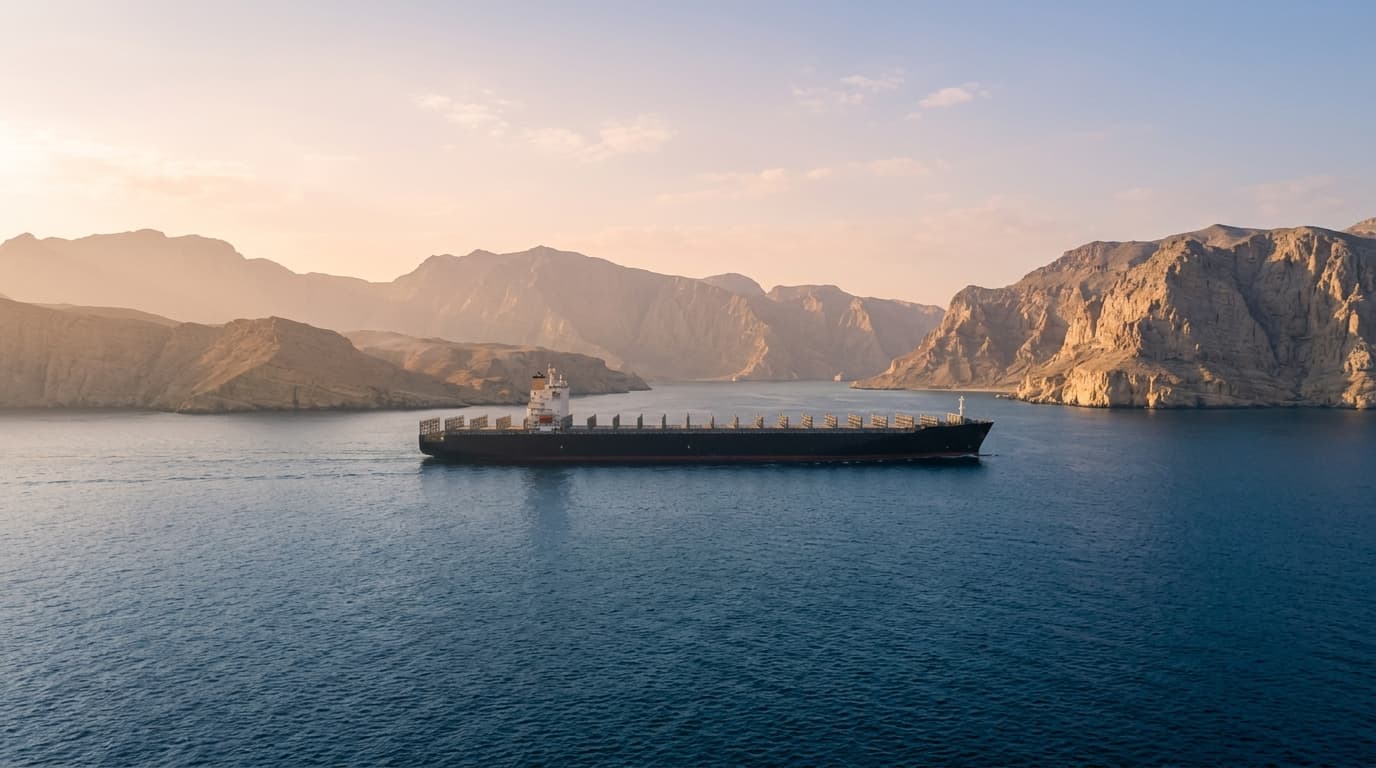
Iran has officially announced its intention to collect transit tolls from commercial vessels passing through the Strait of Hormuz, marking a definitive move to monetize its control over the world's most critical maritime chokepoint. A senior Iranian official confirmed to a monitored channel that Tehran is seeking fees ranging from 5% to 7% of a vessel's cargo value, a demand that has met with immediate and total opposition from the United States.
The official announcement confirms a policy that has been a central point of friction in regional maritime security. According to reports cited on Thursday, the proposed toll structure would see most commercial shipping paying a significant percentage of their cargo's worth to the Islamic Republic. Based on pre-war traffic levels, a 7% toll could generate approximately $385 million per day, potentially totaling over $100 billion annually. This would represent a revenue stream 15 to 20 times greater than the record earnings of the Suez Canal.
Regional and International Friction
While Iran is pushing for the 5-7% range, Oman—which has frequently acted as a mediator in these discussions—has reportedly suggested a lower rate of 3%. However, the United States remains firmly opposed to the imposition of any tolls, viewing the move as a violation of international maritime law and a threat to the freedom of navigation.
Reports indicate that the proposed toll system includes strategic exemptions. Vessels from China and Russia are expected to be exempt from the fees, reflecting Tehran's alignment with these powers. This follows earlier reports from The Zioneer that Iran had previously considered, then temporarily suspended, similar toll demands during periods of heightened diplomatic pressure.
Economic and Strategic Implications
The formalization of these tolls represents a transition from sporadic harassment of shipping to a structured, sovereign claim over the Strait. For the global economy, the impact could be substantial; the cost of goods and energy transiting the Persian Gulf would likely rise to accommodate the new fees. For Israel, the development underscores the ongoing threat posed by Iranian maritime hegemony and the regime's ability to leverage its geographic position to bypass international sanctions and fund its regional activities.
8 developments
- The Zioneer Intelligence Desk
- Mossad Chief Gofman Ousts Intelligence Director, Iran Division Head After Iran Failure – N12
- Explosion in Damascus's Al-Mazzeh neighborhood; casualties reported
- Bennett: Haredi demand for IDF guarantee on religious observance is 'absurd'
- Uganda parliament approves sending troops to Gaza under international force