The Lead
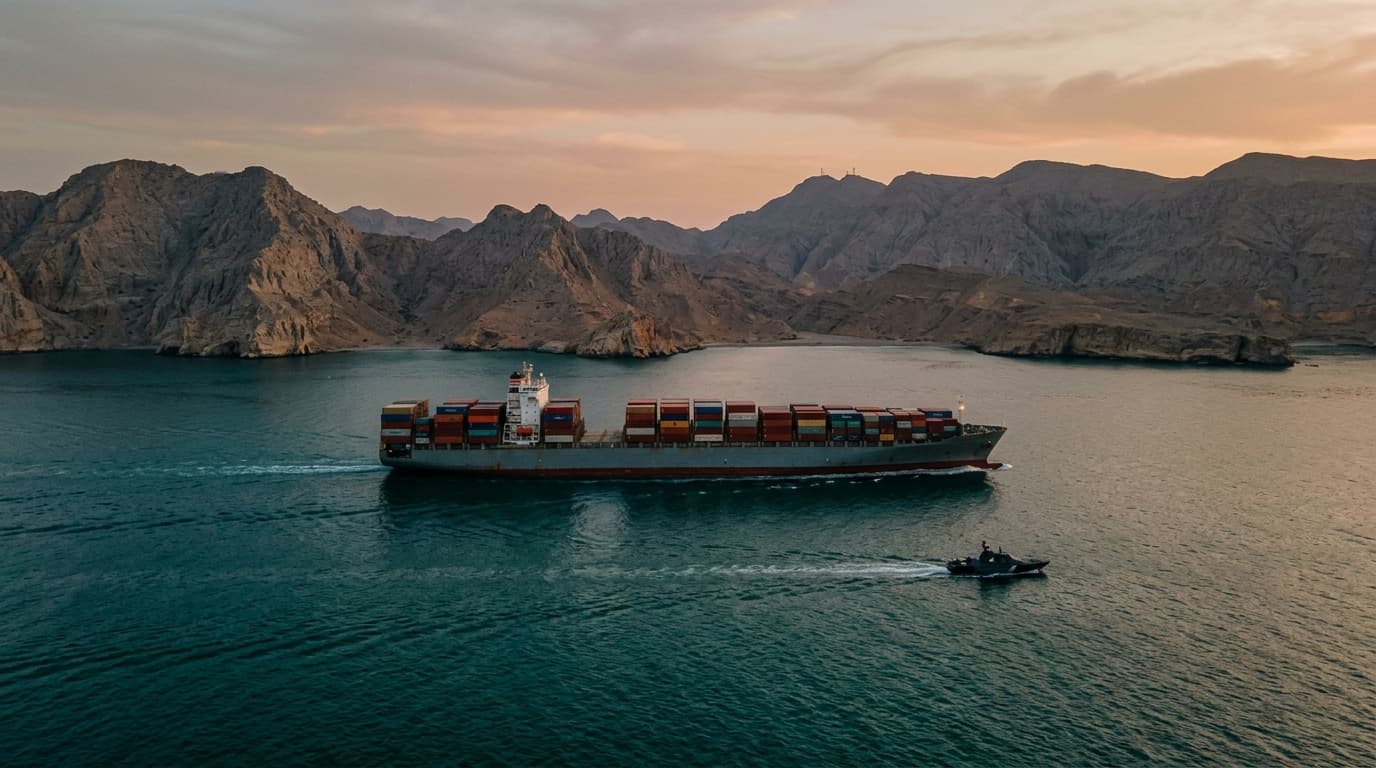
A senior Iranian official told Reuters on Tuesday that Tehran is discussing a temporary plan with Oman that would grant Iran full control over all vessel entry through the Strait of Hormuz. Under the emerging arrangement, outgoing vessels would be required to pass through a lane between Iran and Oman, with Omani authorities notifying Iran before any ship is permitted to exit the waterway.
The reported plan marks a significant step toward formalizing Iranian oversight of the world's most critical maritime chokepoint. According to the Iranian official, the arrangement is designed to provide Tehran with a "complete picture" of all maritime traffic exiting the Persian Gulf, including the ability to intervene if deemed necessary. The official emphasized that Iran is unlikely to accept any alternative proposal regarding the reopening of the strait.
Structural Changes to Maritime Traffic
This development follows reports earlier on Tuesday from The New York Times and other outlets suggesting that Iran and Oman are nearing a final agreement to manage the waterway. The proposed dual-routing system would see vessels entering the Gulf pass through Iranian-controlled waters, while those exiting would utilize a lane closer to the Omani coast.
As The Zioneer reported earlier this year, the Strait of Hormuz has been a central theater of confrontation between the United States and Iran. While a U.S.-led diplomatic framework in August 2026 sought to ensure free passage, the current negotiations suggest a shift toward a regulatory regime where Iran maintains a dominant role. Reports indicate the deal may also include "service fees" for environmental and security costs, with revenues potentially split between Tehran and Muscat.
Internal Demands and Strategic Context
Despite the diplomatic progress, internal friction remains. Regional sources told the Wall Street Journal that while Iran initially responded positively to a temporary route, the Islamic Revolutionary Guard Corps (IRGC) has demanded specific guarantees. These reportedly include assurances against future strikes on Iranian territory and the removal of oil sanctions as conditions for final approval.
Analysts note that by framing the new system as a temporary administrative plan with Omani cooperation, Iran may be attempting to establish a de facto sovereign claim over international shipping lanes. The involvement of Oman, a traditional mediator, provides a layer of diplomatic legitimacy to a plan that would effectively cement Iran's position as the primary regulator of the strait.
12 developments
- The Zioneer Intelligence Desk
- Bus hits pedestrians in Ashkelon, killing one and leaving two unconscious
- Knesset Finance Committee approves NIS 270 million transfer to Haredi sector; High Court to review
- Large fire rages in Ben Shemen Forest, Highway 6 closed at Daniel Interchange
- Iranian senior official Ebrahim Rezaei dismissed after opposing US negotiations