The Lead
Iran's Foreign Ministry spokesman declared Thursday that the regime's missile capabilities are non-negotiable and intended for operational use, as state-linked media characterized the emerging diplomatic framework with the United States as a 'surrender agreement' by the Trump administration.
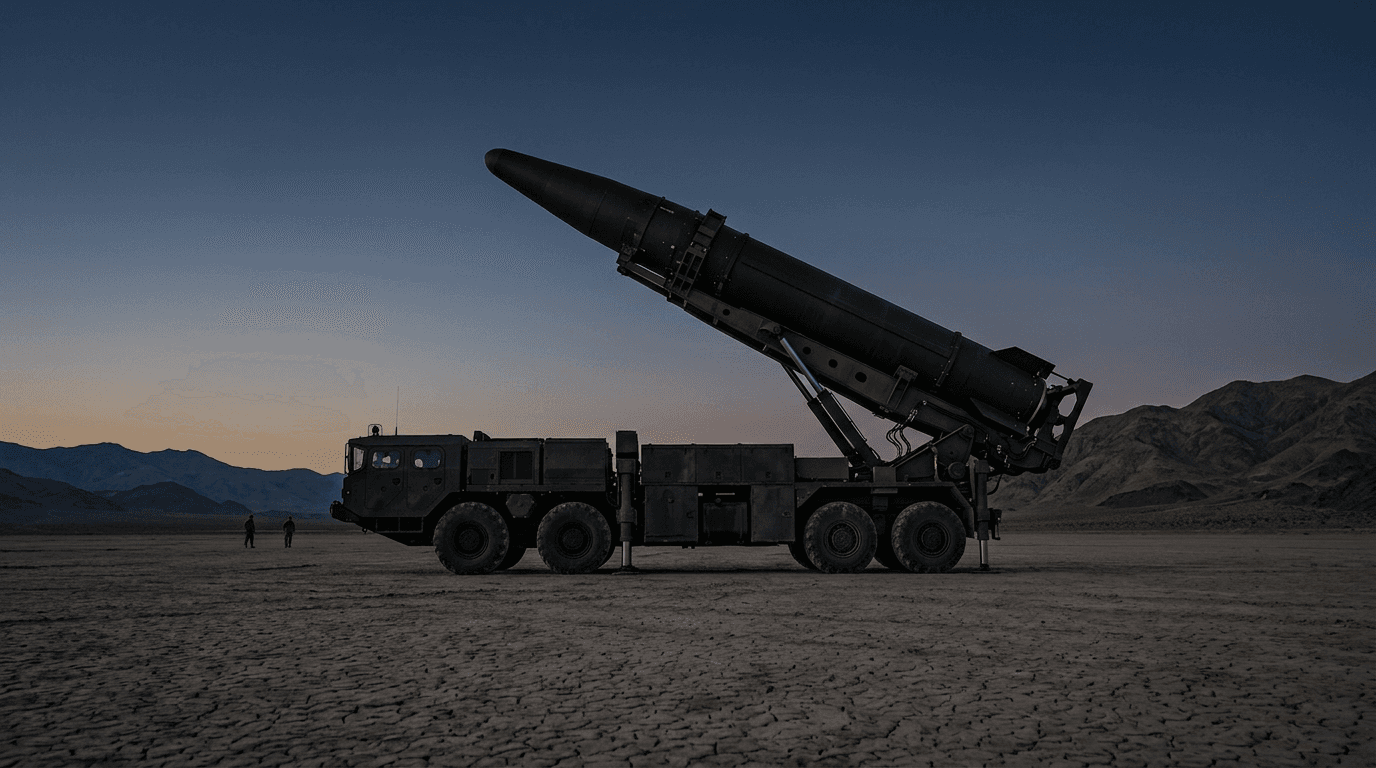
As the diplomatic process between Washington and Tehran enters its final stages, the Iranian Foreign Ministry has issued a sharp rejection of any constraints on its ballistic capabilities. The ministry's spokesman stated that Iran's defensive assets 'will not be discussed in any process, with any side,' emphasizing that the regime's missiles are 'for launching, not negotiations.'
Rhetoric of 'Surrender'
This defiant stance coincides with a wave of triumphalism in Iranian state-linked channels. Reports reviewed by The Zioneer Intelligence Desk indicate that the Iranian establishment is framing the current diplomatic trajectory as a strategic victory. State media has gone as far as to label the emerging framework a 'surrender agreement,' claiming it was signed by President Donald Trump during a dinner with French President Emmanuel Macron and subsequently rejected or modified by the Iranian president's own signature.
Strategic Context
The remarks follow a period of intense and often contradictory signaling regarding the 'Islamabad Agreement' framework. While prior reports suggested Iran might maintain a nuclear status quo to facilitate a deal, the IRGC Aerospace Force has simultaneously been reported as preparing for potential missile operations. By decoupling its missile program from the diplomatic track, Tehran is signaling that any agreement on nuclear or regional issues will not come at the expense of its primary long-range strike capabilities.
Analysis and Outlook
For Israel and regional observers, the spokesman's comments reinforce the assessment that Iran views its missile arsenal as a core pillar of its national security that remains outside the scope of international diplomacy. The celebratory tone in Tehran suggests the regime believes it has secured significant concessions without compromising its strategic reach. The immediate focus remains on whether this rhetoric is a prelude to the formal signing of an agreement or a signal of continued kinetic intent despite the diplomatic channel.
2 developments
- Iran cancels Friday US talks, citing Israeli strikes on LebanonEditorially linked
- Iranian Deputy FM Claims U.S. Naval Blockade Lifted, War 'Permanently Ended'Editorially linked
- Iran's President: No Future Talks on Ballistic Missiles Will Be HeldEditorially linked
- Israeli Intelligence Assesses Iran Will Use 60-Day Window to Stall on Nuclear TalksEditorially linked
- US F-15 WSO 'Bravo' recounts shootdown and survival deep inside Iran in new interview
- Leaders of Scotland, Wales, and Northern Ireland meet to discuss plan to leave UK and rejoin EU
- Co-director of film 'Naz'a' says claims verified, hopes to screen in Israel
- Hamas confirms elimination of senior commander Ahmad al-Batsh in northern Gaza