The Lead
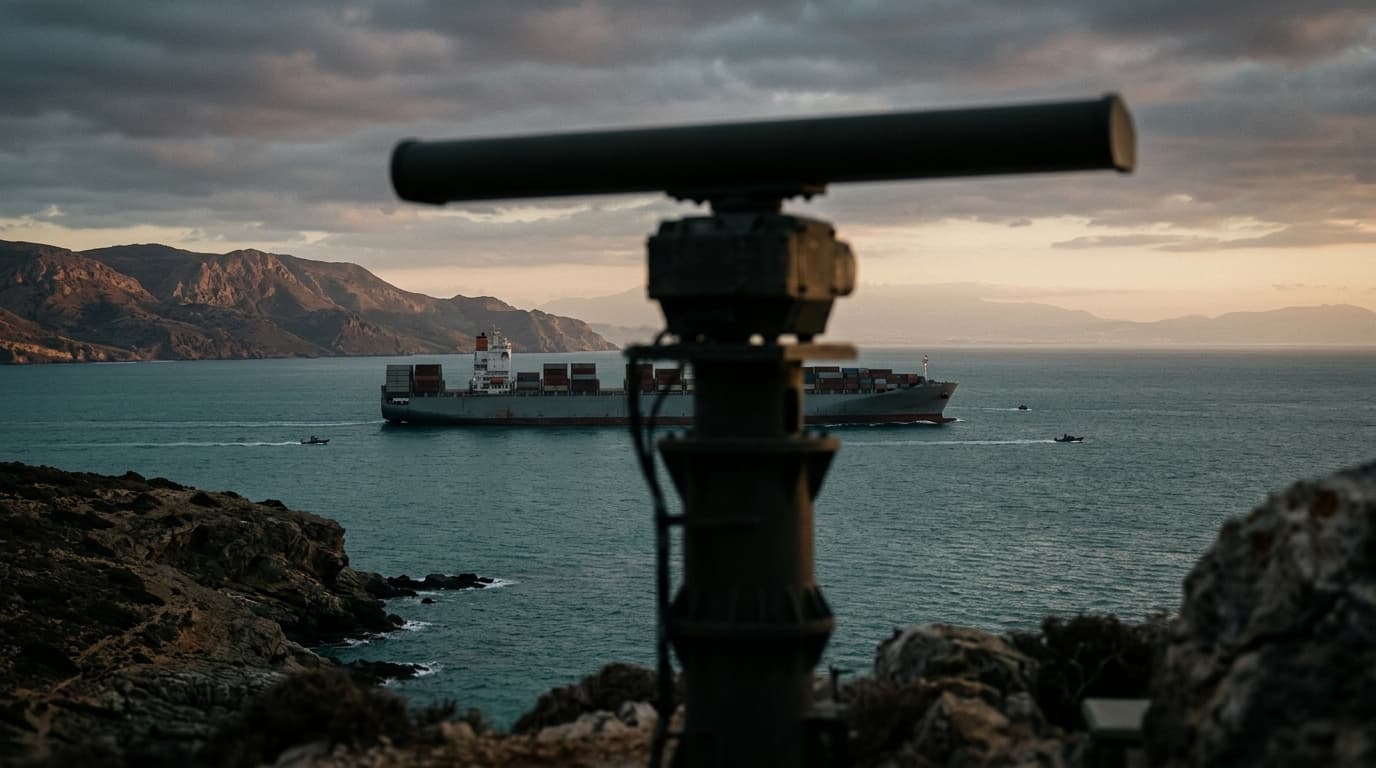
The Islamic Revolutionary Guard Corps (IRGC) announced on Friday that Tehran will demand a transit fee of approximately 7% from every vessel passing through the Strait of Hormuz. The paramilitary organization stated that it will maintain its freedom of action in the strategic waterway and will no longer permit the independent transit of other states through the chokepoint.
The Islamic Revolutionary Guard Corps (IRGC) has formalized its demand for a 7% transit fee on all maritime traffic passing through the Strait of Hormuz, according to statements released on Friday. The announcement marks a significant step in Tehran's efforts to institutionalize its control over the world's most critical maritime chokepoint, with the IRGC explicitly stating that it will not permit "independent movement" by foreign states in the waterway.
Strategic Context and Escalation
This development follows months of increasing Iranian pressure on international shipping. As The Zioneer reported earlier, the IRGC previously mandated coordination via Channel 16 and has historically attempted to link the security of the strait to broader geopolitical demands. Earlier reports from August 6 indicated that Iran intended to seek between 5% and 7% of a vessel's cargo value, while Oman reportedly considered a 3% fee. The current announcement appears to solidify the upper end of that range as a formal IRGC requirement.
Analysis of the Transit Regime
The imposition of a percentage-based fee represents a shift from previous reports of flat-rate charges. In June 2026, reports suggested Iran was attempting to collect fees ranging from $1.5 million to $2 million per vessel, sometimes utilizing cryptocurrency or barter arrangements. By demanding a 7% fee and rejecting independent transit, the IRGC is attempting to normalize a regulatory regime over waters that are legally considered international under the UN Convention on the Law of the Sea (UNCLOS).
Outlook for Maritime Security
The IRGC's insistence on "freedom of action" and the rejection of independent transit poses a direct challenge to the freedom of navigation upheld by the United States and its allies. While the IRGC has previously claimed to have closed the strait or repelled tankers using force, this latest move seeks to convert military leverage into a permanent economic and regulatory reality. The international community's response to this formal toll demand will likely determine whether the Strait of Hormuz remains an open international waterway or transitions into a fully Iranian-controlled toll zone.
2 developments
- Saudi Arabia, Turkey, Pakistan sign defense pact with mutual defense clause
- Imprisoned Tzabar soldiers warn of mental health crisis, demand treatment in letter to Chief of Staff
- Spain's Youth Minister: 1,342 minors registered in Ceuta, transfers to mainland within weeks
- Nature and Parks Authority employee expels yeshiva students from Snir Stream, calls them deserters