The Lead
The spokesperson for Iran's Khatam al-Anbiya Headquarters issued a direct warning to U.S. President Donald Trump on Tuesday, announcing that Iranian security forces will deny passage through the Strait of Hormuz to any vessels belonging to countries or companies that support a proposal to utilize frozen Iranian assets.
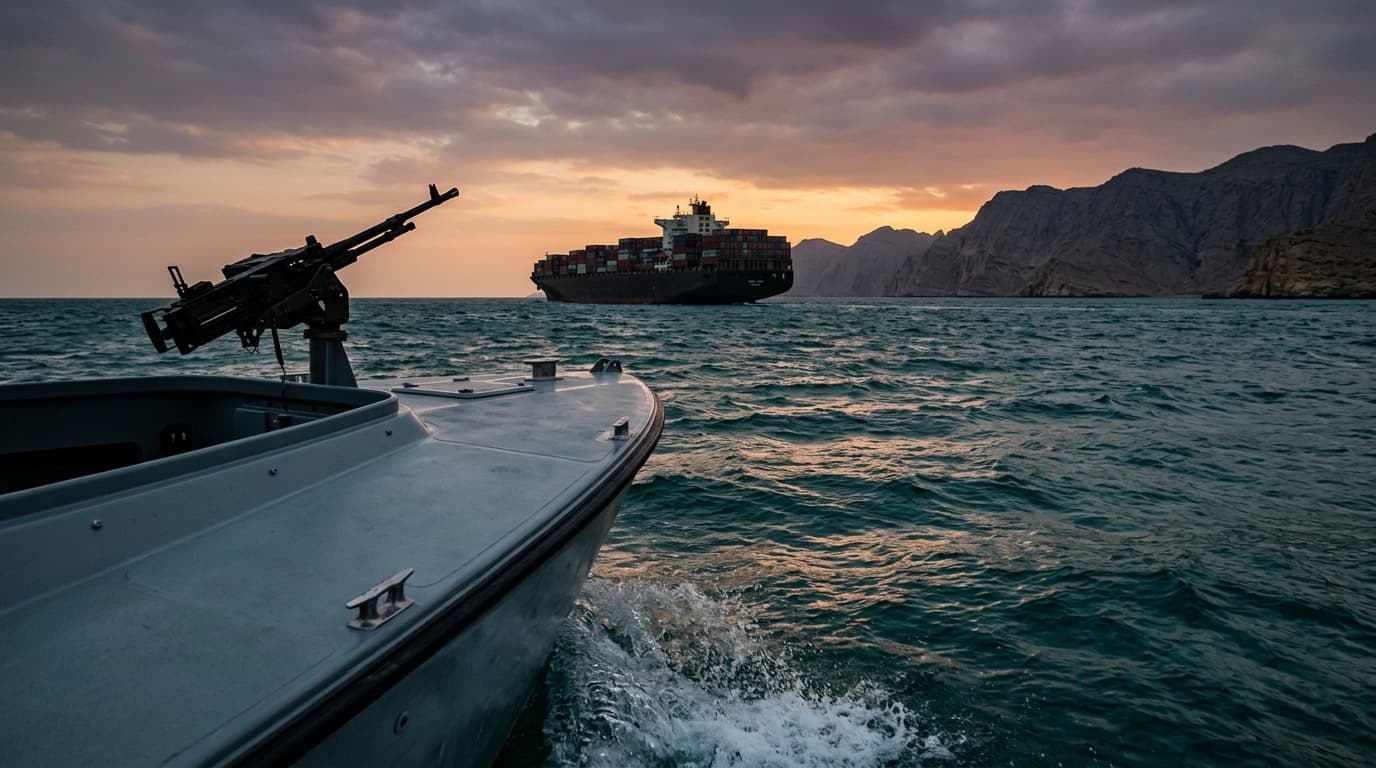
The Iranian military command responsible for strategic operations, the Khatam al-Anbiya Headquarters, has significantly escalated its rhetoric regarding the Strait of Hormuz. In a statement released Tuesday afternoon, the headquarters' spokesperson characterized the U.S. proposal to use frozen Iranian funds as "illegal operations" and warned of immediate maritime consequences for those who cooperate with the plan.
Threats of a Targeted Blockade
According to the announcement, Iranian security forces have been instructed to identify and block ships belonging to any entity—whether a private company or a sovereign state—that expresses support for President Trump's initiative. The Iranian position holds that these frozen assets cannot be used to compensate for damages or security costs incurred during recent regional tensions. The spokesperson explicitly stated that compensation for ships damaged due to what Tehran calls "insecurity created by the U.S. military" will not be paid from Iran's frozen accounts.
Context of Maritime Friction
This development follows a series of Iranian claims of sovereignty over the strategic chokepoint. As The Zioneer reported earlier this month, the Khatam al-Anbiya Headquarters has previously attempted to mandate that all commercial traffic adhere to Iranian-designated routes, threatening strikes against those who deviate. While President Trump has previously dismissed Iranian claims of a functional blockade, asserting that the waterway remains open, this latest threat specifically targets the financial mechanism of asset seizure.
Strategic Implications
The threat to selectively block traffic based on political and financial alignment represents a direct challenge to international maritime freedom. By linking passage through the Strait of Hormuz to the status of its frozen assets, Tehran is attempting to create a high-stakes deterrent against the U.S. administration's economic pressure. Observers will be monitoring the IRGC Navy's activities in the strait to determine if this rhetorical escalation translates into operational interference with global shipping.
6 developments