The Lead
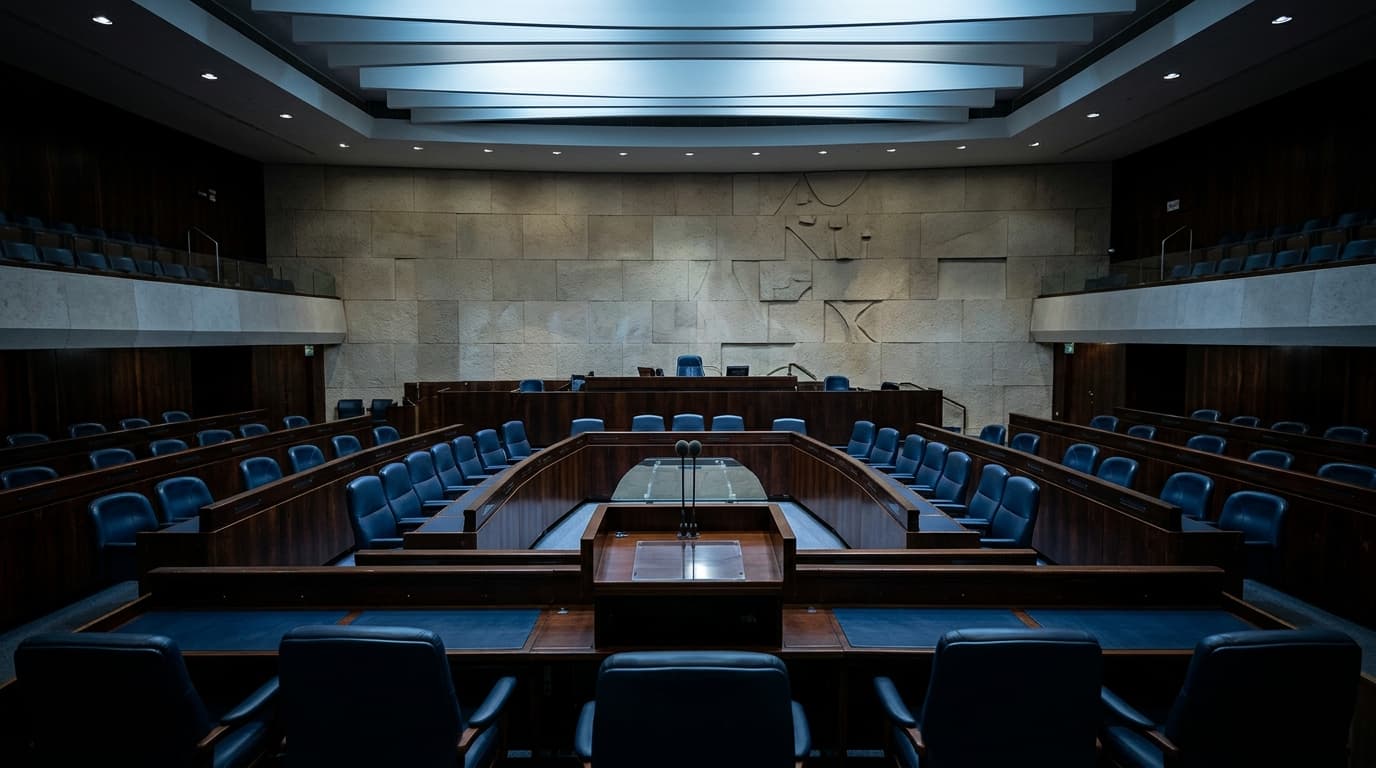
The Knesset is set to convene for an extraordinary session during its current recess to pass a precedent-setting decision asserting that Knesset laws are immune to invalidation or freezing by the High Court of Justice. The move, initiated by Communications Minister Shlomo Karai and supported by dozens of Members of Knesset, represents a significant escalation in the ongoing constitutional struggle between Israel's legislative and judicial branches.
The upcoming special session marks a direct challenge to the High Court's authority to exercise judicial review over primary legislation passed by the Knesset. According to reports, the initiative led by Minister Shlomo Karai aims to establish a formal parliamentary stance that the judiciary lacks the jurisdiction to strike down or suspend laws enacted by the sovereign legislature. This development follows a period of intense friction, as the High Court has previously deliberated on the validity of Basic Laws and other significant reforms.
Context of the Confrontation
This legislative move arrives against a backdrop of heightened institutional tension. As The Zioneer reported earlier, the High Court has recently engaged in debates regarding judicial selection and the reasonableness standard, with Chief Justice Amit previously warning of potential "regime change" should the court's oversight be fundamentally curtailed. The Knesset, meanwhile, has operated under emergency protocols due to regional security threats, often moving sessions to protected underground facilities. Despite these pressures, the coalition has continued to advance its legislative agenda, including the Basic Law: Torah Study and reforms to the kashrut system.
Analysis and Outlook
The decision to convene during a recess underscores the urgency felt by the initiating MKs to solidify parliamentary sovereignty. By seeking a formal declaration of immunity for its laws, the Knesset is attempting to draw a hard line against what proponents describe as judicial overreach. However, the legal standing of such a decision remains a point of contention; critics and legal analysts are likely to question whether a parliamentary resolution can unilaterally strip the High Court of its established review powers.
What remains to be seen is how the judicial branch will respond to this direct assertion of legislative supremacy. If the Knesset passes the decision, it could trigger a constitutional crisis, forcing a showdown over which institution holds the final word on the legality of Israel's laws. Observers should watch for the official scheduling of the session and the specific language of the proposed resolution, which will determine the scope of this unprecedented challenge to the judicial status quo.
3 developments
- The Zioneer
- Arabic sources: US will attack Iran if Strait of Hormuz not reopened by Tuesday
- Report: Israel-Lebanon Rome talks to focus on expanding pilot zones, dismantling Hezbollah
- Iran Military Advisor Claims Iran Prepared to Strike Three Targets in Ukraine, Canceled After Apology
- Terrorist shot in Shechem area, critically wounded