The Lead
Mojtaba Khamenei, Iran's acting supreme leader, explicitly confirmed overnight that a memorandum of understanding (MoU) between Iran and the United States has been signed by the presidents of both nations. The announcement, carried by Iranian state-aligned channels, marks the first definitive acknowledgment from Tehran's highest authority that the diplomatic agreement has moved from negotiation to formal execution.
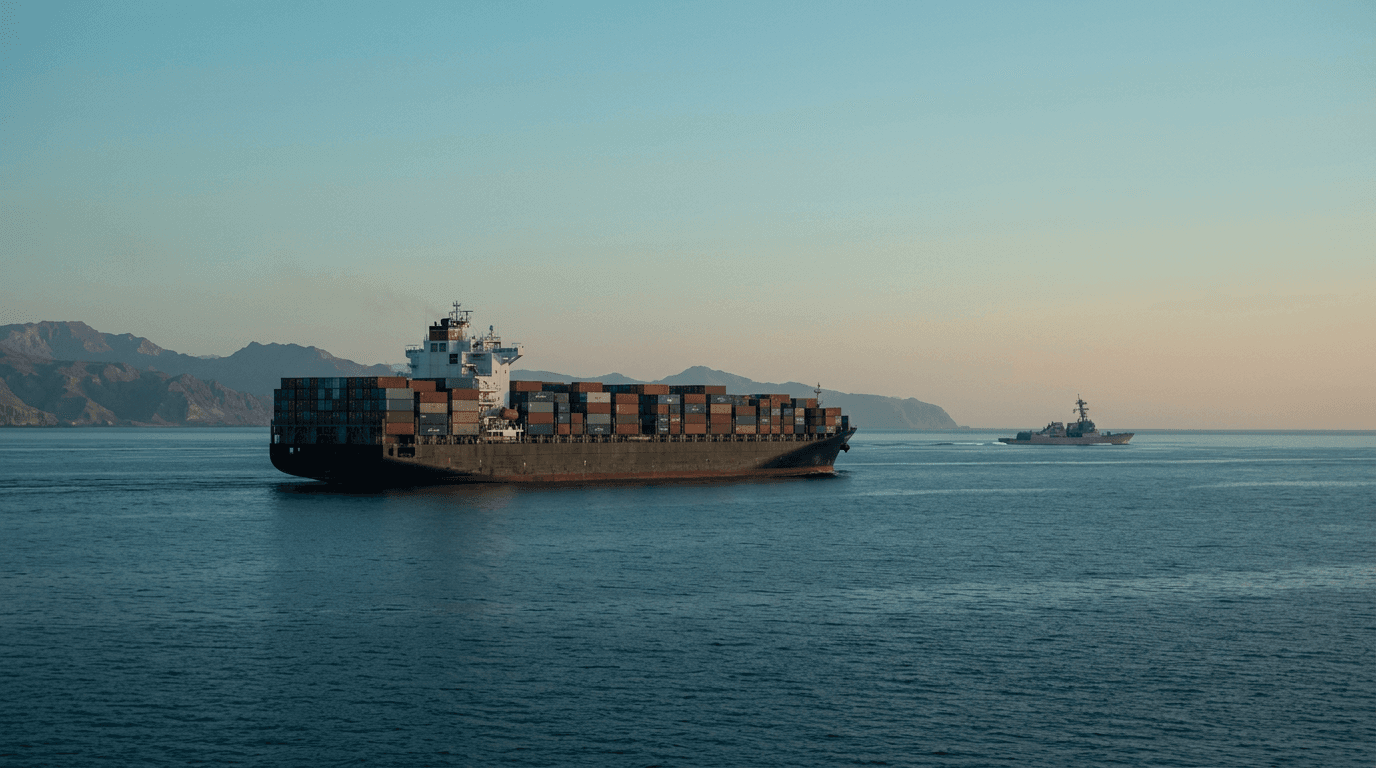
The confirmation from Mojtaba Khamenei follows weeks of intense diplomatic activity and conflicting reports regarding the status of the Islamabad Memorandum of Understanding. In a detailed statement, Khamenei noted that while he initially held a "different opinion" regarding the deal, he granted his approval following assurances from the President of Iran, acting as head of the Supreme National Security Council. Khamenei emphasized that the agreement was authorized to protect the "rights of the Iranian people" and the "Resistance Front," while warning that Iran would not submit to "excessive demands" from the American side.### Implementation and Blockade RemovalThe announcement coincided with a major operational shift by the United States. U.S. Central Command (CENTCOM) officially declared the end of the naval blockade on Iranian ports and coastal areas. According to the military directive, American forces have ceased interdicting maritime traffic in the Persian Gulf and the Gulf of Oman. While active enforcement has ended, CENTCOM noted that major naval assets will remain in the region to ensure all aspects of the agreement are observed and enforced. This de-escalation in the maritime theater is a primary component of the broader diplomatic framework.### Analysis and OutlookThe explicit acknowledgment by Mojtaba Khamenei resolves the final internal hurdle within the Iranian establishment. By framing his approval as a reluctant but necessary step for national security, Khamenei appears to be insulating himself from potential political fallout should the agreement fail. For Israel and regional allies, the transition to formal implementation represents a new strategic reality. While the lifting of the blockade signals a reduction in immediate kinetic friction, the continued presence of U.S. naval forces suggests a policy of cautious verification. The focus now shifts to the 60-day negotiation window and whether Tehran will adhere to the security commitments underlying the memorandum.
6 developments
- The Zioneer Intelligence Desk
- Mojtaba Khamenei Issues Full Statement Approving US-Iran MOU, Cites Security AssurancesEditorially linked
- New York Times: Iran's Mojtaba Khamenei Approved MOU Saturday, Ordered Missiles Readied After Dahiyeh StrikeEditorially linked
- Pakistan PM confirms US-Iran MOU signed, Strait of Hormuz to reopen; formal ceremony set for June 19Editorially linked
- Mojtaba Khamenei Appoints Mohsen Rezaei as Secretary of Iran's Supreme National Security CouncilEditorially linked