The Lead
The Spanish Interior Ministry reported Friday afternoon that more than 25,000 migrants have returned to Morocco from the enclave of Ceuta, following a massive influx that saw an estimated 60,000 people cross the border within 24 hours. Returning migrants cited harsh conditions in the Spanish territory, with some describing a reality of "nothing but hunger and oppression."
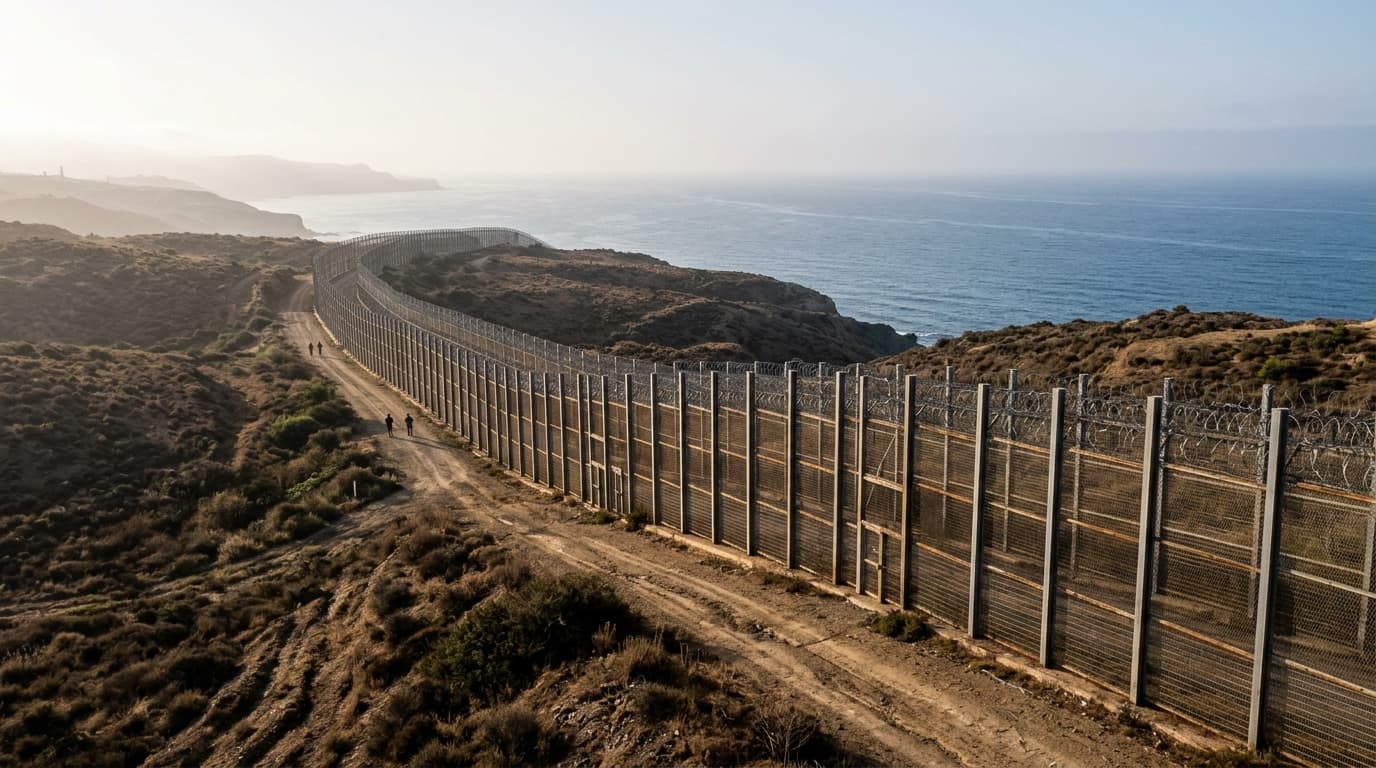
The unprecedented migration crisis in the Spanish enclave of Ceuta has entered a new phase as thousands of individuals begin to repatriate to Morocco. According to updated figures from the Spanish Interior Ministry released at approximately 15:00 Jerusalem time, roughly 25,000 of the estimated 60,000 migrants who entered the territory over the last day have already crossed back into Moroccan territory.
Conditions on the Ground
Reports from the border areas indicate that the decision to return is being driven by the lack of infrastructure and basic necessities within the enclave. One migrant, quoted in local reports, stated that there is "nothing in Ceuta, only hunger and oppression." This follows earlier reports of thousands of people running aimlessly through the streets of the city, which has a permanent population of only 80,000, as local resources reached a breaking point.
As The Zioneer reported earlier today, the sudden surge increased the enclave's population by more than 60% in a single day, overwhelming reception centers that were already operating thousands of percent over their intended capacity. While some migrants initially sought places to sleep in private properties without consent, the reality of the humanitarian situation appears to have prompted a significant number to accept repatriation.
Security and Casualties
The crisis has been marked by severe security incidents and casualties. The President of Ceuta, Juan Jesús Vivas, stated that at least 34 people have died during the border crisis. Other reports indicated that 18 individuals were killed by Spanish security forces during the height of the influx.
Despite the high number of returns, the situation remains developing. Spanish authorities have noted that while Morocco and Spain reached an agreement to repatriate those who have not regularized their status, the process of clearing the remaining tens of thousands of individuals continues to pose a significant administrative and security challenge. Video footage from the area has reportedly shown Moroccan soldiers assisting individuals in penetrating the enclave's defenses, complicating the diplomatic narrative of cooperation between Madrid and Rabat.
10 developments
- The Zioneer Intelligence Desk
- Trump tells Fox News 'it's going well' against Iran, hints at 'something very big'
- US official warns Trump will be 'very disappointed' if Israel obstructs Gaza plan
- Israel Hayom analysis probes Khamenei's party preference, Iran's election influence
- Eisenkot: Netanyahu surrendered in Gaza deal, failed to achieve war goals