The Lead
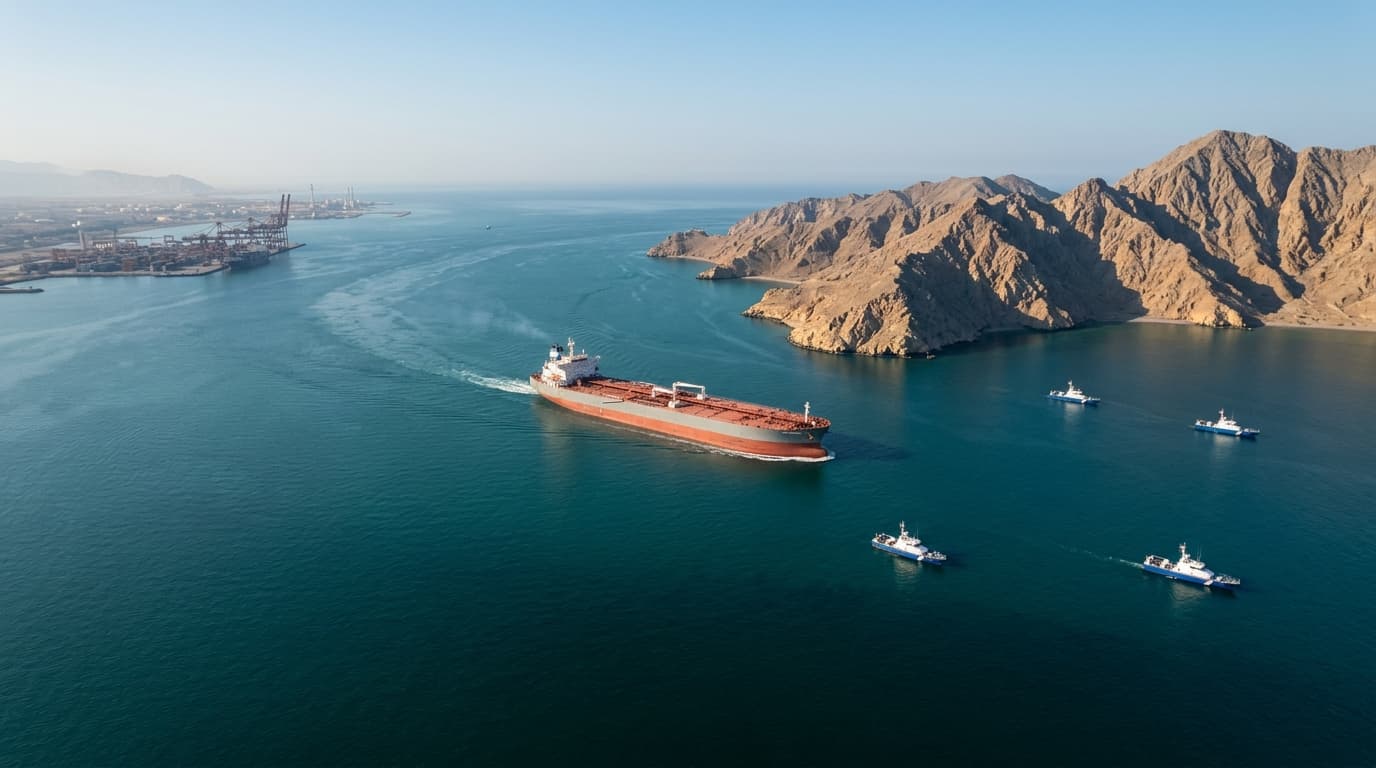
A senior US administration official has confirmed that an emerging framework agreement with Iran will require Tehran to reopen the Strait of Hormuz without collecting shipping tolls. In exchange, the United States will lift its naval blockade of Iranian ports, marking a significant step toward de-escalating the maritime conflict that has paralyzed global energy routes.
The Framework for Reopening
According to a senior administration official speaking to Fox News, the United States and Iran are nearing a final determination on a framework deal designed to restore maritime stability. The core of the arrangement involves a direct reciprocal action: Iran must allow the free flow of commerce through the Strait of Hormuz—specifically without the controversial tolls it has recently sought to impose—while the U.S. Navy ceases its blockade of Iranian maritime infrastructure. The official characterized the progress with high confidence, stating, "We think we have a deal. It's a great deal and a very strong deal."
Context and Strategic Stakes
The Strait of Hormuz remains the world's most critical oil chokepoint. As previously reported by The Zioneer, Tehran has recently asserted increased sovereignty over the waterway, with Iranian officials claiming the right to collect fees from passing vessels. This new framework, if signed, would effectively roll back those claims in favor of a return to pre-war shipping norms. The deal follows intense mediation efforts, reportedly involving Pakistan, aimed at securing a 60-day ceasefire and addressing Iran's nuclear program alongside maritime security.
Analysis of the Security Gaps
While the political framework appears robust to U.S. negotiators, significant technical and security hurdles remain. The official noted that the lifting of the blockade is tied specifically to the reopening of the strait, but demining operations—essential for the safe passage of large tankers—will only be addressed in a later phase of the agreement. This suggests that even if a deal is signed, the physical restoration of safe shipping may not be immediate. Furthermore, Iranian state media has occasionally offered a more cautious tone than the White House, indicating that while a memorandum of understanding is close, final signatures may still face delays.
Outlook for Israel and the Region
For Israel, the reopening of the strait under these terms represents a complex development. While the restoration of global shipping lanes eases economic pressure, the lifting of the naval blockade on Iran provides Tehran with a vital economic lifeline. The Zioneer Intelligence Desk will continue to monitor whether the demining phase includes international oversight and how these maritime concessions impact the broader security posture of the IRGC in the Persian Gulf. The situation remains developing as both sides move toward a potential signing in the coming days.
- IDF destroys major Hezbollah tunnel network under Beaufort Ridge, says it was Iran-funded command center
- After night of strikes, US holds fire in Iran overnight, Israeli media report
- Hamas senior official says disarmament will not begin before Israeli withdrawal from Gaza
- American official: Iran tried to dissuade Hamas from the deal; Trump would be disappointed if Israel refuses