The Lead
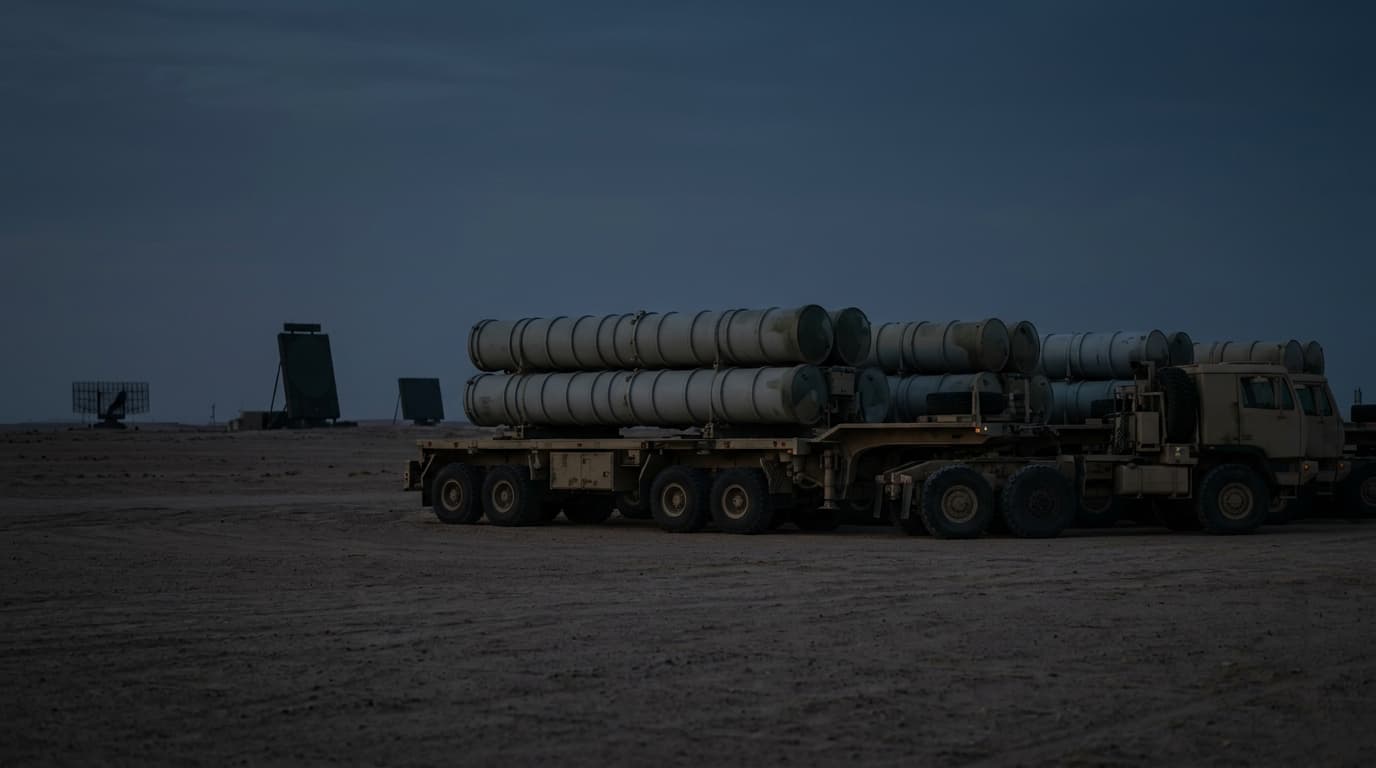
U.S. President Donald Trump has frozen plans for a significant expansion of military operations against Iran, according to reports from The Wall Street Journal and The New York Times. The decision follows warnings from senior military officials, including Chairman of the Joint Chiefs of Staff General Dan Kane, regarding a dangerous depletion of Patriot interceptor missile stockpiles in the Middle East. While the U.S. military had prepared a strike package designed to last up to two weeks, the administration is currently prioritizing diplomatic channels and negotiations over the Strait of Hormuz.
Strategic Pause and Interceptor Shortages
Reports emerging late Sunday indicate that President Trump has opted to halt a planned escalation against Iranian military assets. The proposed operation was intended to target coastal radar sites, anti-ship missile launchers, and fast attack boats used by the Iranian regime to threaten commercial shipping in the Strait of Hormuz. However, General Dan Kane reportedly warned the administration in private that a sustained campaign would lead to a critical erosion of U.S. Central Command’s (CENTCOM) air defense capabilities.
This logistical constraint appears to be a primary driver for the current pause. Military leaders are assessing the risk levels associated with the dwindling stocks of Patriot missiles, which are essential for defending U.S. assets and regional partners from Iranian retaliation. Despite these internal warnings, President Trump has publicly maintained that U.S. ammunition stocks remain sufficient, suggesting a possible divergence between the Commander-in-Chief's rhetoric and the Pentagon's technical assessments.
Diplomatic Maneuvering
Parallel to the military considerations, the decision to freeze the strikes reportedly coincided with the arrival of Omani representatives in Tehran. These officials are acting as intermediaries in negotiations concerning the security of the Strait of Hormuz. White House Communications Director Steven Cheung told Fox News that while the President prefers a diplomatic solution, "all options remain on the table." Cheung noted that after 13 consecutive nights of previous strikes, it would be "prudent" for Tehran to negotiate a deal now to avoid further consequences.
Regional Implications
In Israel, the reported freeze has met with mixed reactions. Some security analysts expressed concern that leaking the decision could signal weakness to the Iranian regime, encouraging them to maintain their current posture. This development follows a pattern of strategic shifts; as The Zioneer reported earlier in June, Israel had previously suspended direct strikes on Iran at the President's request to allow for diplomatic breakthroughs. The current situation suggests that the Trump administration is attempting to leverage its prior military pressure to force a final agreement while managing the practical limits of its regional defense infrastructure.
15 developments
- The Zioneer Intelligence Desk
- Report: Pentagon to Cut US Fighter Jets Assigned to NATO in Europe from 150 to 100Editorially linked
- Trump Cancels Planned Iran Strikes as Geneva Agreement Framework AdvancesEditorially linked
- Iran cancels planned missile fire on Israel after Trump offers concessions — reportsEditorially linked
- CNN: Trump halted new Iran strikes after Gulf allies warned of retaliation, US missile defenses lowShared subject