The Lead
President Donald Trump stated on Tuesday morning that the United States is preparing to strike an underground facility near the Natanz nuclear site, issuing a direct warning to Tehran to "be ready." The President emphasized that Washington is maintaining constant surveillance of the location and will act immediately upon detecting any attempt to resume nuclear activity.
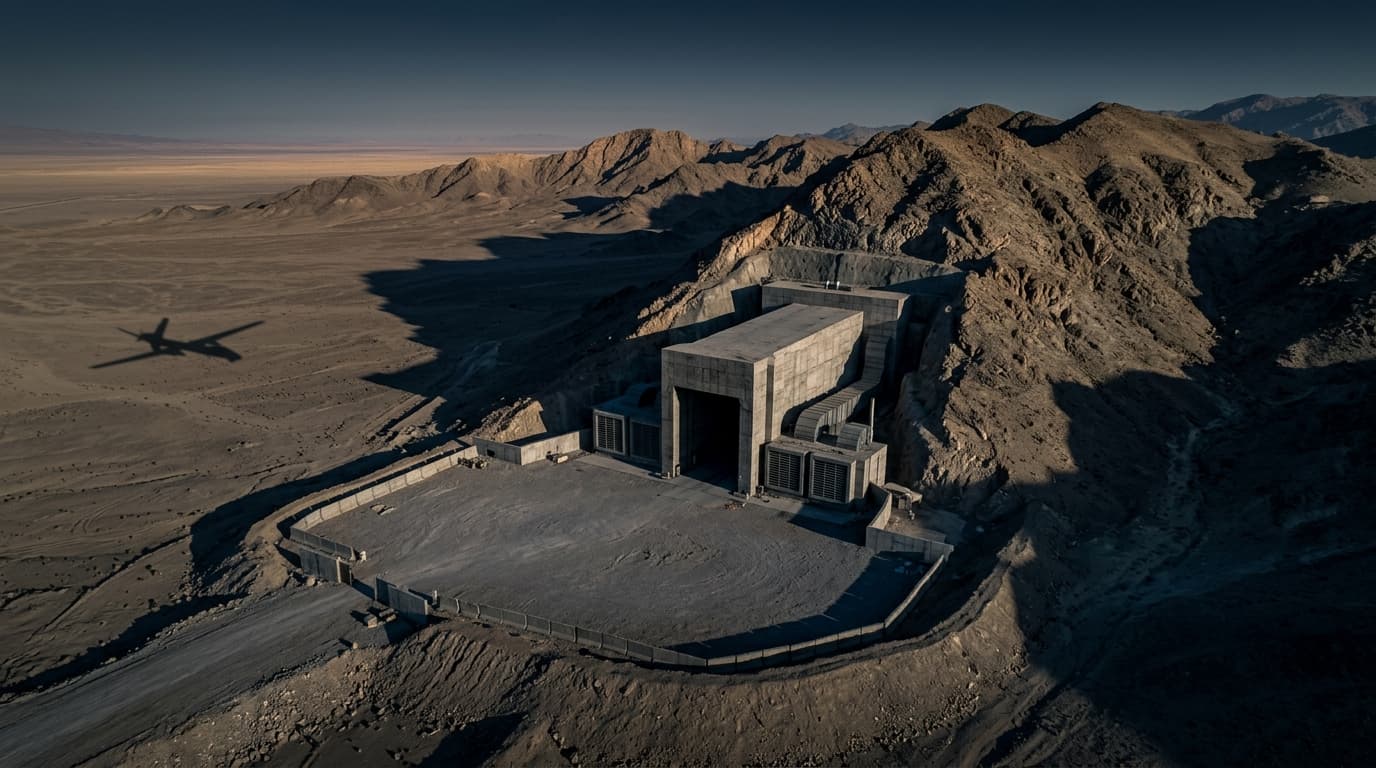
President Donald Trump has signaled a significant escalation in the ongoing confrontation with Iran, naming the underground nuclear facility near Natanz as a primary target for potential U.S. military action. In statements made early Tuesday, the President characterized the site—referred to in some reports as the Karkas facility—as a "good possible target," asserting that the U.S. has "eyes on the site all the time."
Strategic Context and Monitoring
This development follows the collapse of the 'Islamabad' memorandum and the transition of the U.S. into a state of direct kinetic confrontation with the Iranian regime. According to material reviewed by The Zioneer Intelligence Desk, the U.S. administration is currently monitoring 24 locations across Iran, with a specific focus on underground infrastructure that has historically been shielded from conventional strikes. The President's rhetoric suggests that the threshold for a strike is tied directly to the detection of resumed nuclear enrichment or related activity.
Analysis of the Threat
The threat to the Natanz-adjacent site represents a shift toward targeting Iran's most sensitive strategic assets. While the President warned that a strike could happen "quite soon," the operational reality remains complex. Prior analysis indicates that deep underground facilities, such as those at Mount Makosh (also referred to as Mount Pikaks in some contexts), are highly resilient to conventional bunker-buster munitions. This suggests that any effective U.S. action would require either specialized tactical capabilities or a significant ground operation, though the administration has not specified its intended methods.
Regional Implications
In Israel, security officials are closely watching the U.S. posture. Col. (Res.) Uzi Dayan noted the necessity of defensive readiness, stating that any Iranian retaliation against the U.S. would likely be met with an even stronger response than seen previously. The situation remains developing as Washington maintains its naval blockade in the Persian Gulf and continues to evaluate its target list in coordination with regional allies.
2 developments