The Lead
US Central Command (CENTCOM) confirmed on Monday night that the naval blockade on Iran in the strategic Strait of Hormuz has officially entered into force. The announcement follows a declaration by President Donald Trump earlier today, establishing a new maritime enforcement regime that includes a 20% cargo fee for vessels transiting the waterway.
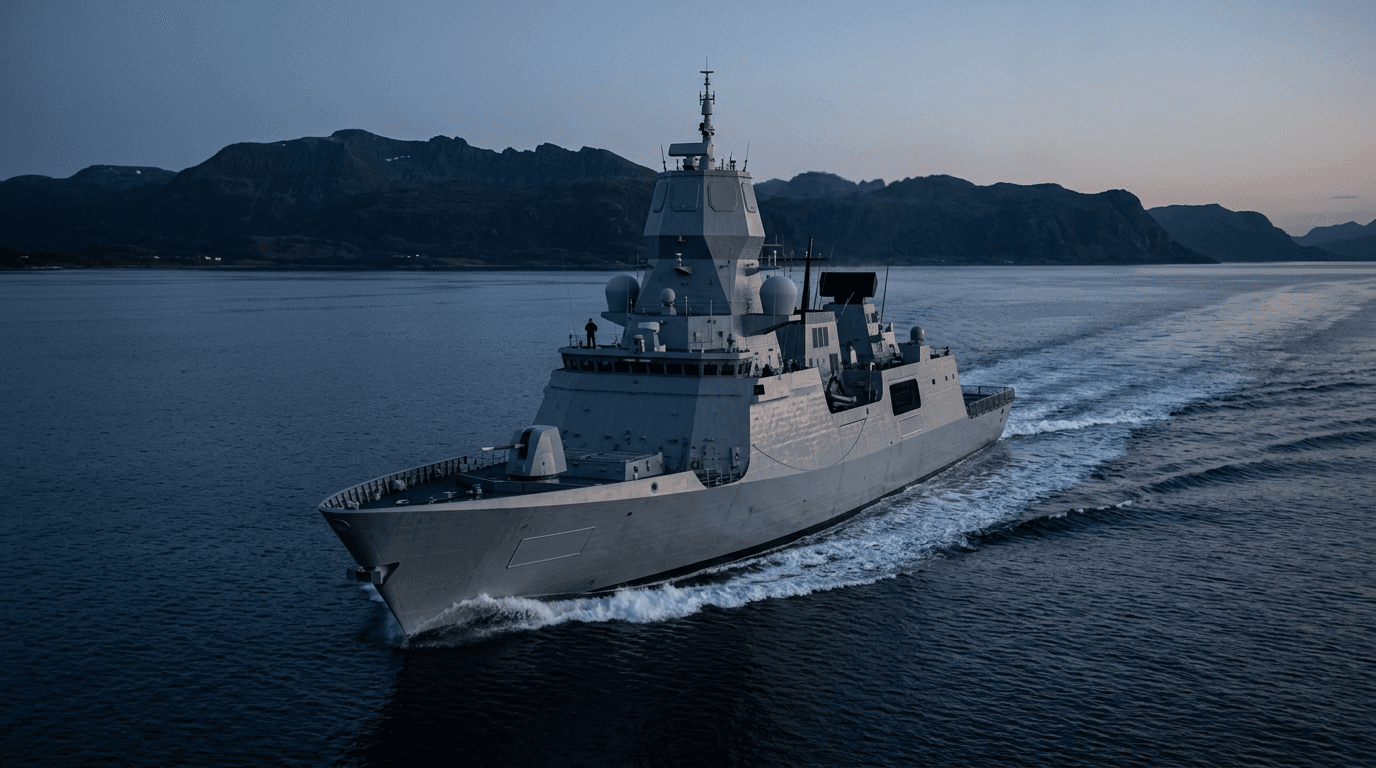
US Central Command has begun active enforcement of a naval blockade targeting Iranian shipping and its customers in the Strait of Hormuz. According to material reviewed by The Zioneer Intelligence Desk on Monday night, the military move serves as the operational implementation of President Donald Trump's new 'Guardian of the Strait' policy. The blockade is designed to isolate Iranian maritime commerce while maintaining passage for other international vessels, provided they comply with a newly imposed 20% reimbursement fee intended to cover U.S. security costs in the region. ### Operational Transition to Blockade The confirmation from CENTCOM marks the transition from a political declaration to a live military operation. Reports indicate that U.S. forces are now positioned to prevent Iranian-linked vessels from entering or exiting the strait. This follows the collapse of previous diplomatic arrangements and a period of intense maritime friction. The U.S. military has stated that the waterway will remain open to global trade, but under the explicit supervision and financial terms dictated by Washington. ### Strategic Context and Regional Impact This escalation occurs within the broader context of a direct confrontation between the United States and the Iranian regime. As previously analyzed by The Zioneer, the reinstatement of the blockade effectively terminates the prior 'Islamabad' memorandum and returns the region to a state of maximum pressure. By assuming the role of 'Guardian,' the U.S. is asserting total control over the world’s most critical energy chokepoint. The immediate implementation of the 20% cargo fee represents a significant shift in how maritime security is funded and enforced in the Persian Gulf, signaling that the U.S. no longer intends to provide security for international shipping without direct compensation. ### Outlook for the Strait The situation remains developing as the first vessels encounter the new enforcement protocols. Observers are monitoring for potential Iranian retaliatory measures, given the IRGC's history of targeting merchant shipping in response to economic pressure. The Zioneer will continue to track the operational status of the blockade and any kinetic developments arising from this significant shift in U.S. naval posture.
11 developments
- The Zioneer Intelligence Desk
- Trump escalates Mount Makosh threat: 'We will reach the site, tell Iran to prepare'
- Communications Committee approves media reform bill after removing app clause
- Yair Goldblatt reports Saudi airstrikes in Sanaa, Yemen, after jet sightings
- Security analyst: Bushehr airport was target of attack, per reports