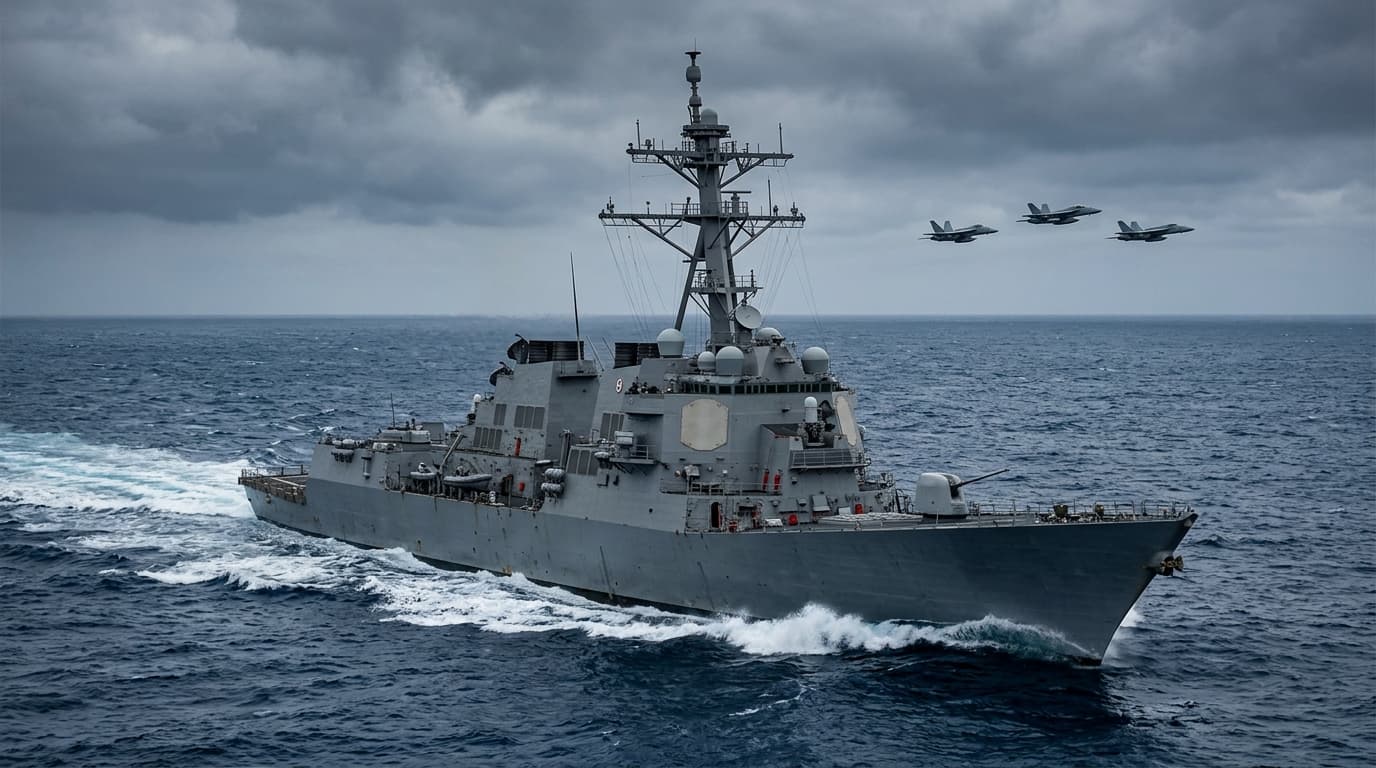
U.S. Central Command published the official order Tuesday night for the renewed naval siege on Iran, effective 16:00 ET (23:00 Jerusalem). The statement details that during the initial blockade from April 13 to June 18, CENTCOM forces diverted over 140 vessels, disabled nine that did not comply, and allowed more than 50 humanitarian cargo ships through. The order includes instructions for mariners operating in the Gulf of Oman and approaches to the Strait of Hormuz.
U.S. Central Command (CENTCOM) published the full formal order for the renewed naval siege on Iran shortly after midnight Wednesday (Jerusalem time), adding operational specifics to the announcement earlier this evening. The order, effective 23:00 Tuesday Jerusalem time (16:00 ET), applies to all vessels entering or departing Iranian ports, and includes a detailed enforcement record from the first blockade phase: more than 140 vessels were diverted, nine disabled for non-compliance, and over 50 humanitarian cargo ships permitted passage. Mariners in the Gulf of Oman and approaches to the Strait of Hormuz are instructed to monitor 'Notice to Mariners' bulletins and contact U.S. naval forces on channel 16.
This is the latest in a rapid sequence of developments on Monday. At 17:18 Jerusalem, our desk reported President Trump's initial reinstatement of the blockade and the imposition of a 20% cargo fee for all other traffic transiting the Strait, with the U.S. adopting the title 'Guardian of the Strait of Hormuz.' The story then evolved through multiple updates from Israeli journalists (N12, N13 / Army Radio) and a formal CENTCOM confirmation at 17:21, followed by a statement from the U.S. military committing to enforcement later today. By 22:25 Monday, the U.S. Army had announced the siege would resume at 23:00 Jerusalem on Tuesday — a timeline CENTCOM later confirmed. The publication of the full order now provides the operational basis and past enforcement data.
As The Zioneer previously reported during the first blockade (April 13–June 18), CENTCOM had interdicted nine vessels and turned back 136 by mid-June of that phase. The current order cites similar figures (140 diverted, nine disabled), framing the renewed siege as a continuation of that earlier enforcement posture. The wider context includes periodic U.S. strikes against Iranian targets in early July — as The Zioneer reported on July 8 — aimed at securing the Strait of Hormuz, and the lifting of the initial blockade on June 18.
What remains open: It is not yet clear how Iran will respond to the reinstated siege or whether the 20% cargo fee — part of Trump's 'Guardian of the Strait' declaration — will be enforced alongside the blockade itself. The order published by CENTCOM does not address the fee mechanism, and no reaction from Tehran has been recorded.
11 developments
- StrongCENTCOM says it has interdicted 9 vessels and turned back 136 more since naval siege on Iran began
- ConfirmedUS Army announces naval siege on Iran to resume Tuesday at 23:00 Jerusalem time
- StrongUS CENTCOM completes third round of strikes in Iran, hitting 140 targets overnight
- ConfirmedCENTCOM confirms third consecutive night of strikes on Iran; explosion reported in Mashhad
Source and signal
- Internal intake