The Lead
United States and Saudi Arabian forces conducted extensive joint airstrikes overnight Wednesday against seven positions belonging to the Iranian-backed Hashd al-Shaabi militia across Iraq. The operation, which reportedly killed at least 10 operatives, comes as a direct response to more than 30 drone attacks directed by the Islamic Revolutionary Guard Corps (IRGC) against Saudi energy infrastructure and American assets over the past 72 hours.
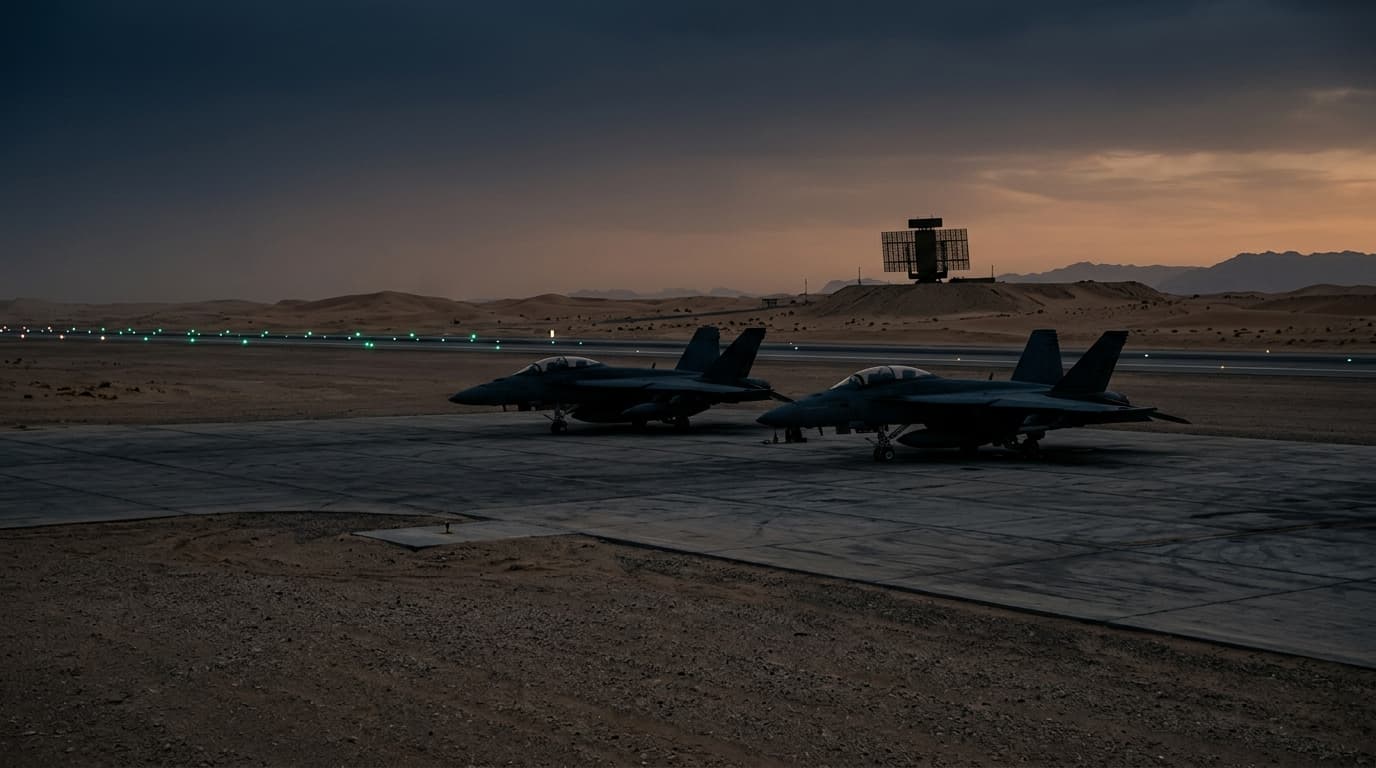
The joint operation represents a significant escalation in the regional response to Iranian-backed proxy activity. According to reports from regional security channels and U.S. Central Command (CENTCOM), the strikes targeted militia infrastructure in Kirkuk, Nineveh, Karbala, Salah al-Din, Diyala, Basra, and Wasit. The primary focus of the mission was to neutralize logistics and weapons storage sites used by terror factions to launch attacks across the region.
Strategic Context and Retaliation
This military action follows a period of intense friction. Saudi Arabia had recently issued two official statements explicitly blaming Iraqi-based militias for strikes on its energy facilities, including Aramco installations. While the Houthi movement in Yemen had claimed responsibility for some of these attacks, Saudi intelligence and CENTCOM assessments pointed to Iraqi territory as the true launch point. As The Zioneer reported earlier this week, the Kingdom has shifted from a purely defensive posture—intercepting drones over Riyadh—to active kinetic engagement alongside American forces.
Casualties and Operational Impact
Initial assessments indicate that at least 10 militia operatives were killed in the strikes. In Nineveh province alone, local reports cited by The Zioneer earlier today suggested eight fatalities and four injuries. CENTCOM officials emphasized that the strikes were "precise" and aimed at preventing further unprovoked attacks. This follows a broader pattern of escalation; between February and April 2026, U.S. officials recorded over 600 attempted attacks by Iranian-linked militias against American personnel and facilities in Iraq.
Regional Implications
The involvement of Saudi fighter jets in strikes on Iraqi soil marks a notable shift in the Kingdom's national security doctrine. By striking the Hashd al-Shaabi—an umbrella organization for Shiite militias that often operates with state-sanctioned status in Iraq—the U.S.-Saudi coalition is sending a clear message to Tehran. The operation underscores that the use of proxies to strike critical global energy infrastructure will no longer be met with diplomatic protests alone, but with direct military consequences at the source of the threat.
9 developments
- The Zioneer Intelligence Desk
- Blog post details Netanyahu-Trump White House summit with direct quotes
- Trump: 'I know exactly what is happening at Mount Makosh' — US State Department Persian page
- Hashd al-Shaabi announces at least 20 killed, 32 wounded in overnight US-Saudi strikes
- Channel 13 anchor Eli Raskin reportedly compares Likud to Nazi party live on air