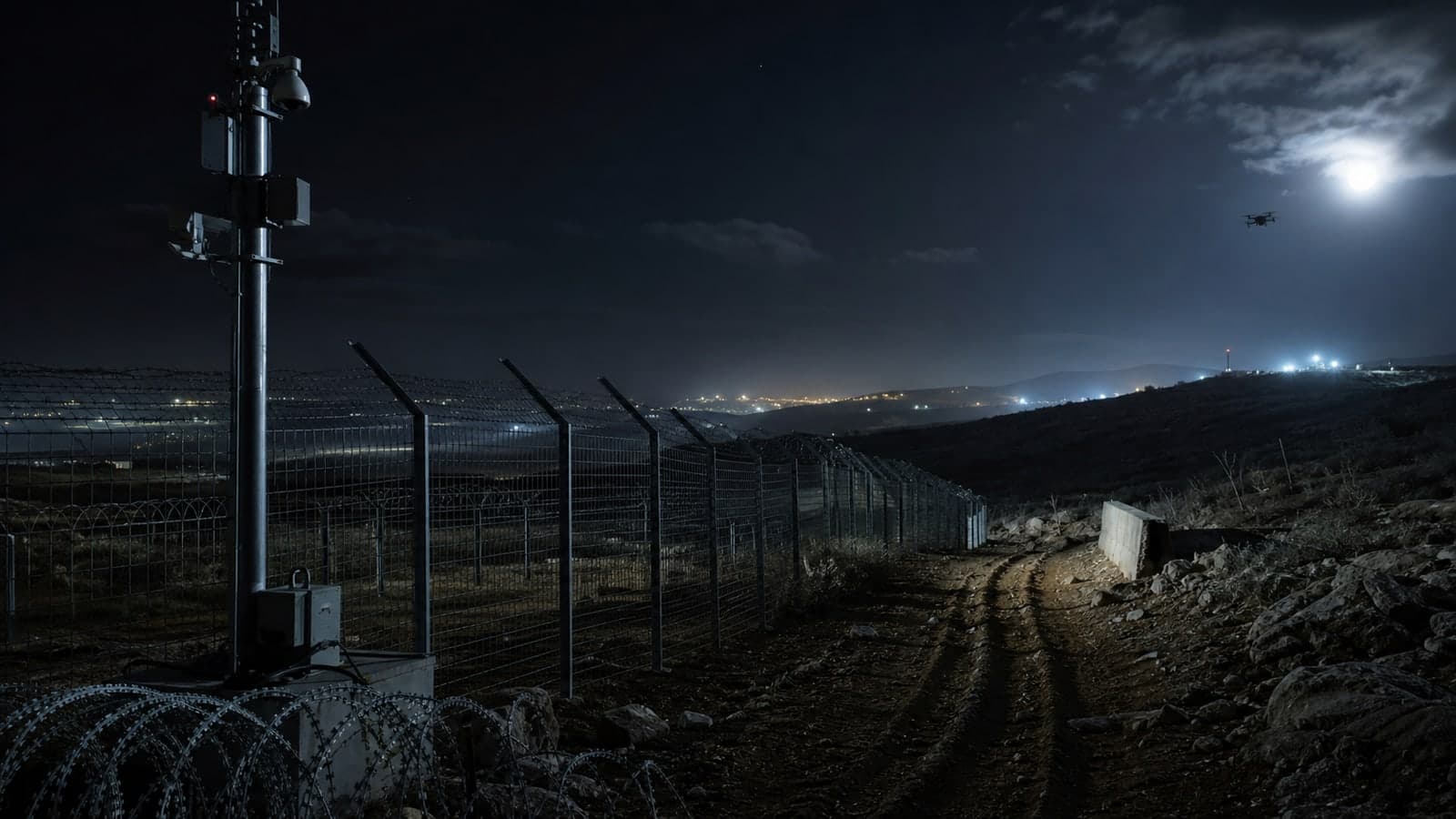
Aviram Blayish, vice president of the Jerusalem Center for Foreign and Security Affairs, argues in a new article that the Israel-Lebanon framework deal addresses weapons but ignores Hezbollah's civilian governance infrastructure — banks, schools, welfare, media — which he says constitutes a parallel state. He warns that without dismantling these civil power structures, the organization will rebuild.
The Zioneer published an analysis by Aviram Blayish, vice president of the Jerusalem Center for Foreign and Security Affairs, arguing that the recent Israel-Lebanon framework agreement cannot succeed unless it addresses Hezbollah's civilian infrastructure, not just its military arsenal. Blayish describes Hezbollah as a 'parallel state' with banks, schools, welfare services, and media, built over decades. He asserts that the deal 'treats the weapon and ignores the state that produces it.' This assessment adds to a growing body of analysis from Israeli researchers and commentators questioning the deal's adequacy. As The Zioneer reported, Hezbollah has rejected the framework, and military analysts have warned that the organization can rebuild beyond the security zone. Blayish's article underscores the view that disarmament alone is insufficient without dismantling the organization's civil governance.
2 developments
- DevelopingAbu Saleh: Lebanon Framework a 'Temporary Sedative,' Hezbollah Will Not Disarm
- StrongHezbollah rejects US-brokered Lebanon deal over demand to disarm before Israeli withdrawal
- DevelopingYoav Golan: Lebanese government cannot disarm Hezbollah
- DevelopingQassem: Disarming Hezbollah will destroy Lebanon
Source and signal
A single-sourced dispatch is never rated Confirmed or Strong. Its Signal strengthens only when a second, independent source corroborates it.
- Internal intake