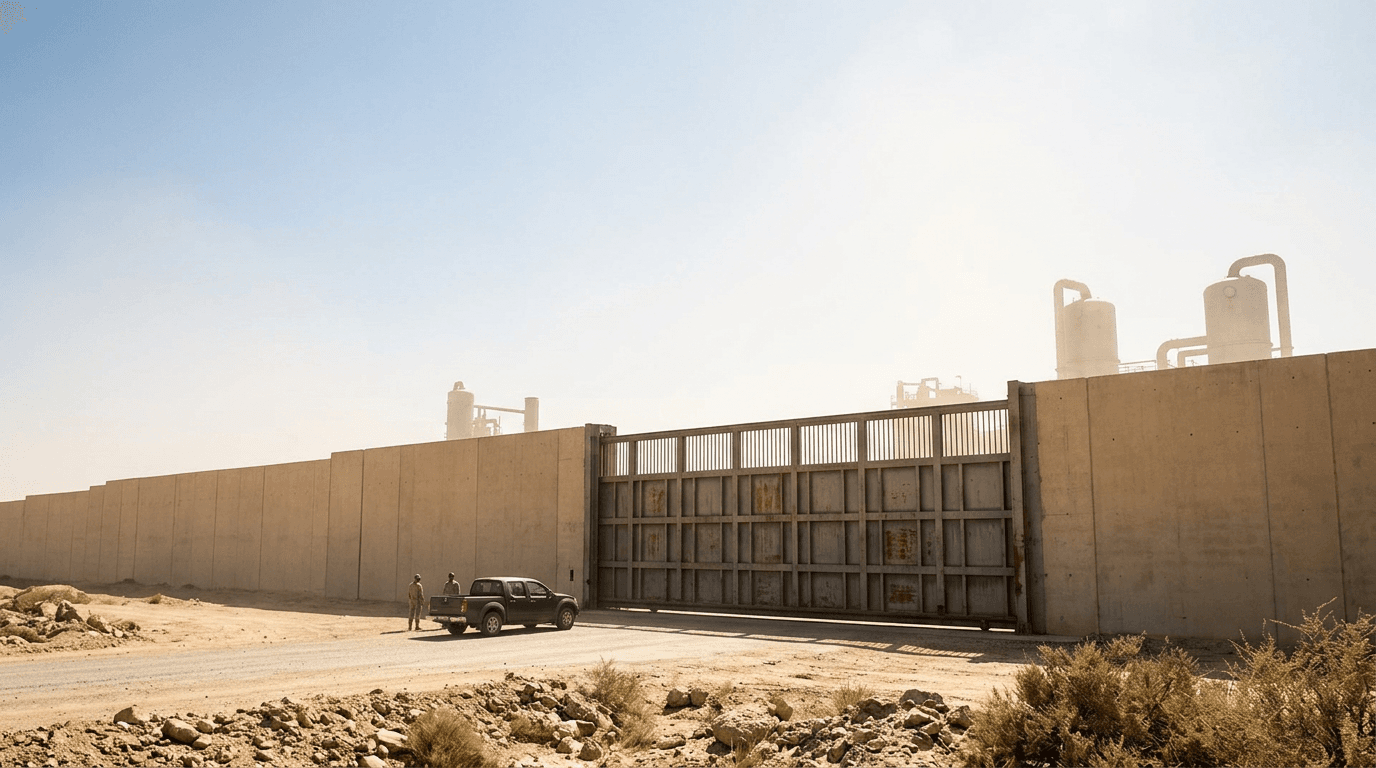
Iran's Atomic Energy Organization said Wednesday it will no longer reveal the locations of its nuclear facilities and will cancel satellite monitoring access, citing distrust of IAEA Director General Rafael Grossi, whom it accused of prioritizing politics over professionalism, as reported by The Zioneer.
Iran's Atomic Energy Organization on Wednesday issued a statement declaring that it will no longer disclose the locations of its nuclear facilities and will cancel satellite monitoring access to those sites. The organization cited a lack of trust in IAEA Director General Rafael Grossi, accusing him of being more engaged in politics than in professional oversight. The announcement, reported by The Zioneer, marks a further reduction in transparency at a time when the international community already lacks verified information about Iran's nuclear activities.
The IAEA has been unable to access key Iranian nuclear sites for more than a year. As The Zioneer previously reported, the agency acknowledged in September that it lacks the information and access to verify the status of 440.9 kilograms of uranium enriched to 60% purity. In June, Iran barred IAEA inspectors from visiting struck nuclear facilities. In July, Tehran formally rejected IAEA access requests and issued warnings to Grossi. The new statement goes further by revoking the sharing of site locations and canceling satellite-based monitoring, further limiting the agency's ability to track Iran's nuclear progress.
The decision underscores the widening verification gap that intelligence agencies and diplomatic bodies face in assessing the status of Iran's nuclear program. With satellite monitoring canceled, even remote observation of known or suspected sites may be curtailed, increasing reliance on intelligence methods outside the IAEA framework.
2 developments
Source and signal
- Open-source intake