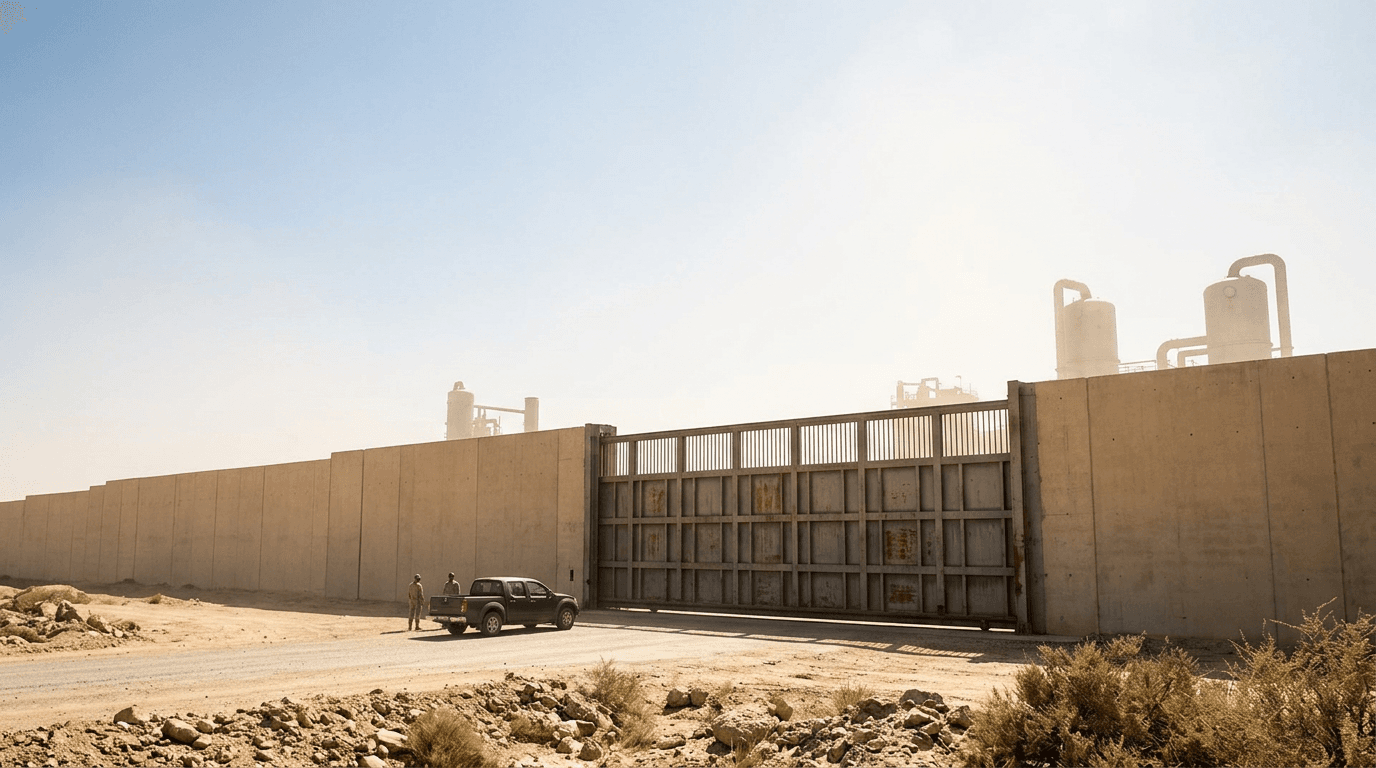
Iran's Atomic Energy Organization announced Wednesday that it will not disclose additional nuclear site locations and will cancel satellite monitoring access to its facilities, according to a statement published by the agency. The agency cited distrust of IAEA Director General Rafael Grossi, accusing him of prioritizing politics over professional work.
Iran's Atomic Energy Organization on Wednesday formally announced it will not disclose additional locations of its nuclear sites and will cancel satellite monitoring access to its facilities, citing distrust of International Atomic Energy Agency (IAEA) Director General Rafael Grossi. The statement, published by the agency, accused Grossi of being "more engaged in politics than professional work." The announcement marks a further escalation in the standoff between Tehran and the international nuclear watchdog, directly targeting the IAEA chief in an official capacity.
The Zioneer first reported the development at 15:31 Jerusalem time on Wednesday, when the agency signaled its intention to halt disclosures and restrict monitoring. A follow-up analysis at 16:41 Jerusalem time detailed the implications, noting that the move constitutes a significant hardening of Iran's position and that the agency's statement specifically accused Grossi of politicization. The analysis also highlighted that Iran has systematically barred IAEA inspectors from key facilities including Fordow, Natanz, and Isfahan since June 2026, and has repeatedly rejected requests for access to sites damaged in earlier strikes.
The announcement is the latest in a series of restrictions on international oversight documented by The Zioneer. On Jun 23, Tehran barred inspectors from accessing nuclear sites damaged in strikes. On Jul 13, it rejected an IAEA request for access to its nuclear facilities. On Sep 10, the IAEA Board of Governors referred Iran to the UN Security Council for non-cooperation. The cancellation of satellite monitoring removes one of the last remaining independent verification tools, significantly increasing the risk of undetected nuclear progress.
The IAEA has not yet responded to Wednesday's announcement. It remains unclear whether the cancellation of satellite monitoring applies immediately to all facilities, and how the agency will verify Iran's compliance without remote oversight.
2 developments
Source and signal
- Open-source intake