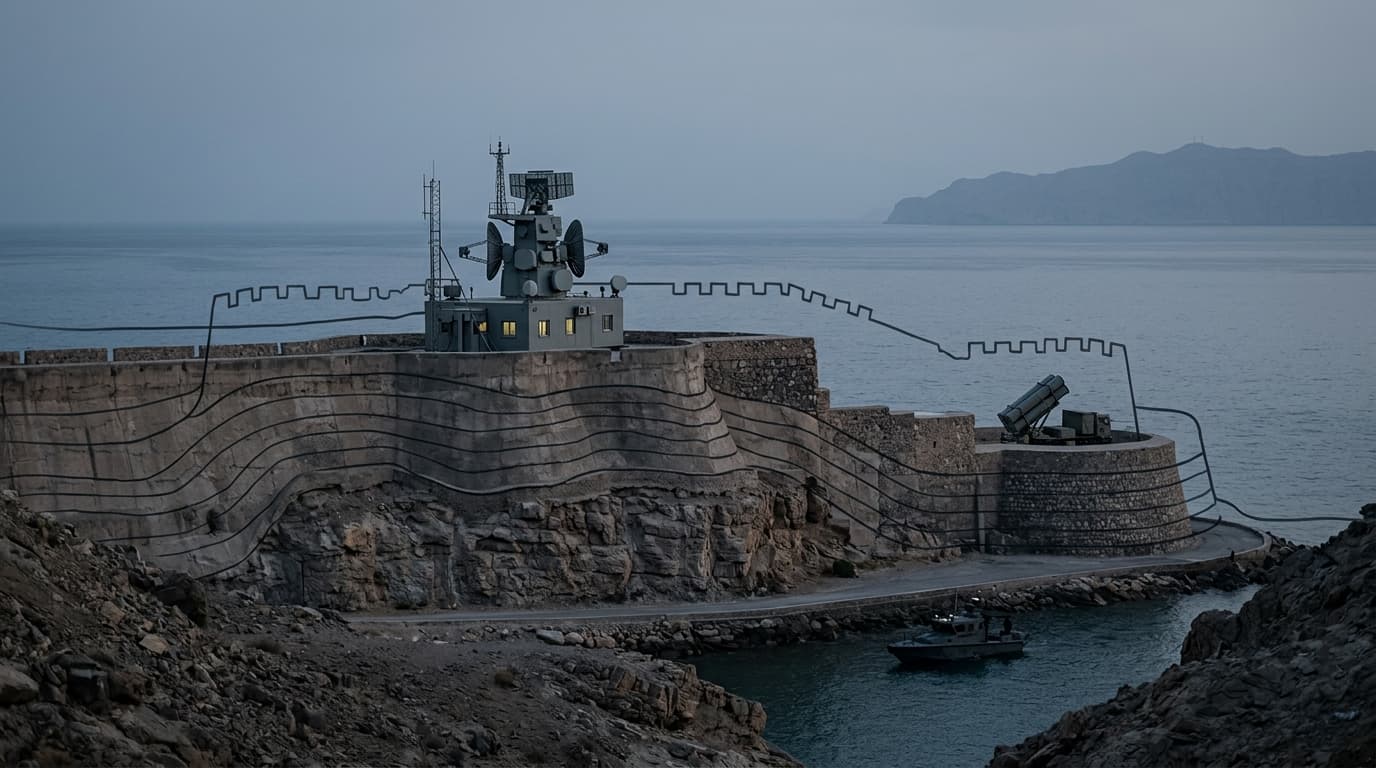
Iran's Foreign Ministry said Friday there is no plan for IAEA inspections of its nuclear sites. Spokesman Esmail Baghaie added that shipping inspections in the Strait of Hormuz continue and IAEA access to some damaged sites will depend on negotiations.
Iran's Foreign Ministry spokesman Esmail Baghaie confirmed on Friday that shipping inspections in the Strait of Hormuz continue, reinforcing the maritime blockade that has been in place since mid-June, as reported by The Zioneer. Baghaie further stated there is no plan for IAEA inspections of nuclear sites, linking renewed access to damaged facilities to the outcome of negotiations. The statement, issued by Friday afternoon (published at 12:23 Jerusalem), echoes the ministry's earlier stance and ties nuclear oversight to the broader US-Iran maritime standoff.
The thread on this issue has evolved rapidly over the past week. On Thursday June 11, Iranian state media reported that US strikes hit seven sites on Iran's southern coast, and the IRGC announced the Strait of Hormuz was closed to all vessels. By Friday June 12, the Iranian Armed Forces confirmed they were enforcing the blockade. On Friday June 19, the National Security Committee first stated that IAEA inspectors would not be allowed into nuclear facilities, followed shortly by the Foreign Ministry's confirmation of the same position. Background items from earlier this week show Tasnim, a semi-official outlet, calling for the strait to remain closed until Israel withdraws from Lebanon, as The Zioneer reported on Friday.
The backdrop to these statements is Tehran's effort to link maritime and nuclear compliance to regional dynamics. As The Zioneer reported on Friday, Iran has frozen US talks and linked their resumption to a Lebanon ceasefire, while demanding Israeli withdrawal and threatening continued Hormuz closure. The Foreign Ministry's current position aligns with this pattern of leveraging multiple fronts in parallel negotiations, as seen in Tasnim's open letter and earlier warnings.
What remains open is whether the IAEA will seek further diplomatic channels to gain access to damaged sites, and how the ongoing maritime crisis — with the Strait of Hormuz still effectively closed to foreign vessels — will affect those talks. The Foreign Ministry's linkage of inspection access to negotiations leaves the timeline unclear.
3 developments
- StrongIran says final agreement talks to start in coming days, Hormuz closure denied
- StrongIranian Foreign Ministry spokesman: vessels to pay 'navigation, insurance, environmental' fees in Hormuz
- DevelopingUS Energy Secretary: No Iranian crude will leave the Strait of Hormuz
- StrongIran threatens indefinite Hormuz closure, blocks IAEA inspections as Israeli officials warn of shifting U.S. support
Source and signal
- Internal intake