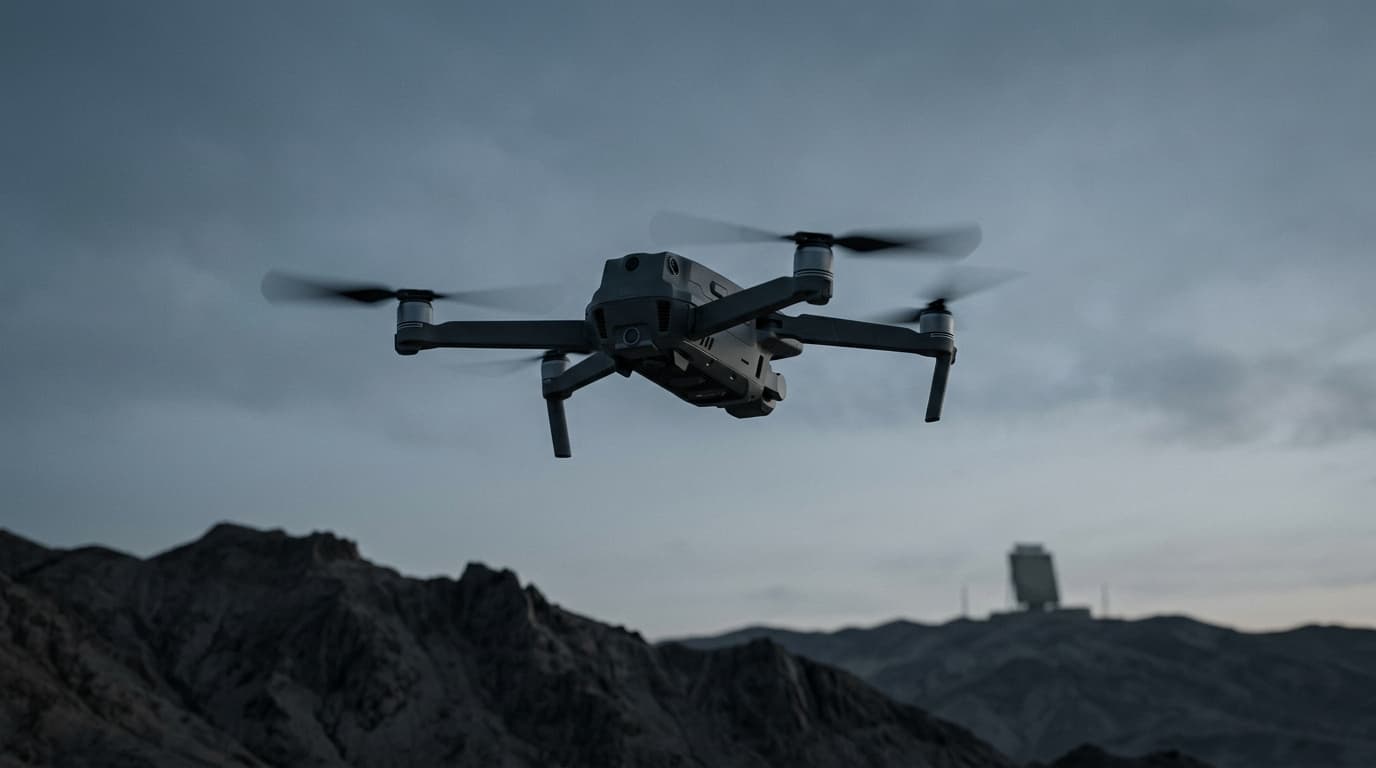
An Israeli security analyst assesses that the air forces of the 21st century will be primarily based on piston-engine (propeller) UAVs, with only a limited number of jet fighter-bombers remaining. The assessment, published on a security-focused the source, argues that the ongoing revolution in air power structure is driven by the proliferation and effectiveness of drone warfare.
The assessment, authored by an Israeli defense analyst, argues that propeller-driven UAVs will become the backbone of 21st-century air forces, mirroring trends seen in conflicts around the world. The analyst notes that jet fighter-bombers will likely remain in service but in reduced numbers.
The analysis comes amid broader developments in drone warfare, which The Zioneer has chronicled. On June 26, The Zioneer reported that Russia claimed to have downed 660 Ukrainian drones overnight in what was likely the largest drone attack of the war. On July 7, The Zioneer noted Russia's shift to jet UAVs for long-range strikes. And on July 31, The Zioneer published an analysis on how drone warfare is driving military operations underground.
The Israeli Air Force itself has been operating at maximum readiness, conducting deep-penetration strikes against Iranian military infrastructure and Hezbollah strongholds, as detailed in The Zioneer's topic pages. The analyst's assessment reflects a broader conversation within the Israeli defense establishment about the future of manned aviation versus unmanned systems.
Source and signal
A single-sourced dispatch is never rated Confirmed or Strong. Its Signal strengthens only when a second, independent source corroborates it.
- Open-source intake