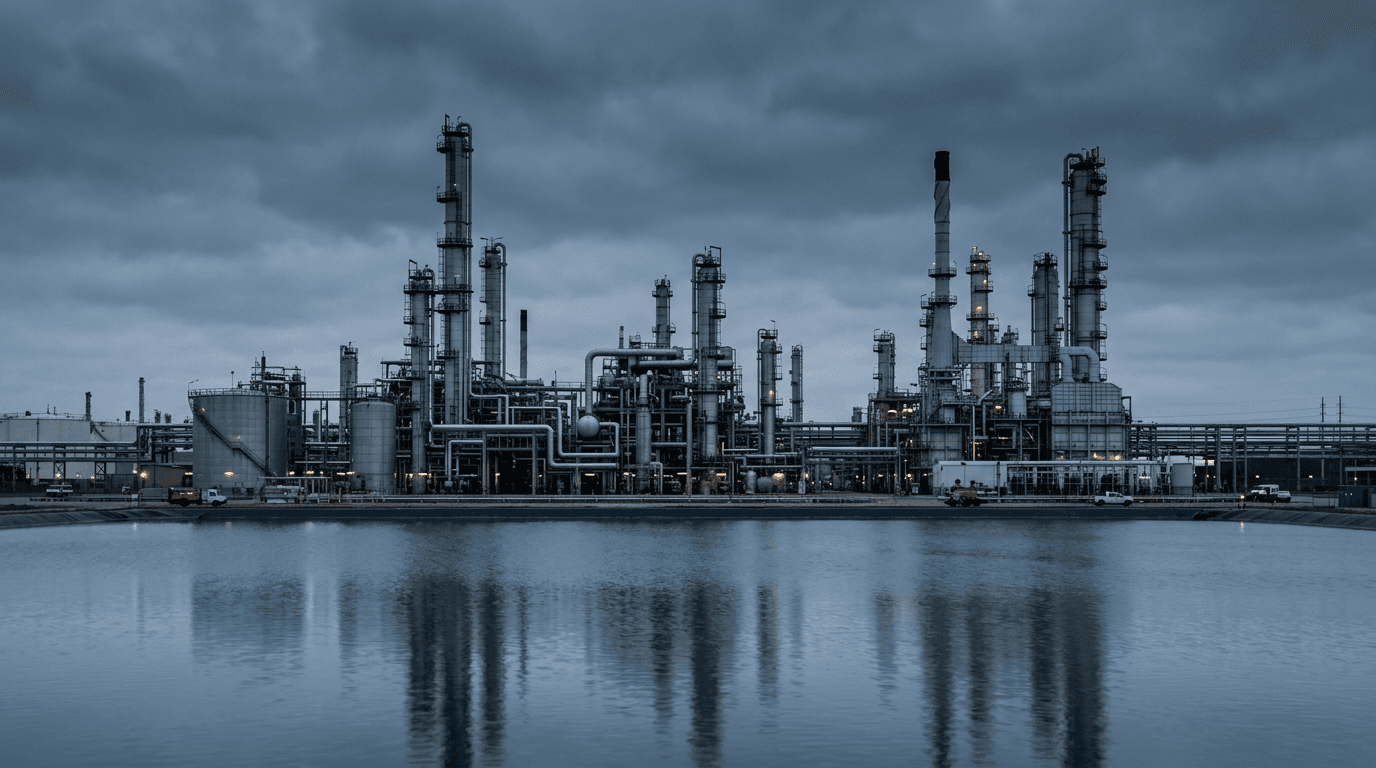
The Moscow Oil Refinery, the capital's largest, will remain shut for at least six months due to extensive damage from two Ukrainian drone strikes this month, according to reports.
According to reports, the Moscow Oil Refinery — the largest in the Russian capital — has been rendered inoperable for at least six months following extensive damage from two separate Ukrainian drone strikes this month. The facility, operated by Gazprom Neft, provides over a third of the city's fuel supply; its prolonged shutdown could stress fuel availability in the Moscow region.
As The Zioneer reported earlier today (Wed 14:34 Jerusalem), unnamed sources had said the refinery might not resume operations until 2027. The latest report, published at 16:44 Jerusalem, cites damage from both the June 16 and June 18 strikes, which hit two main refining units. Repair costs have been estimated at up to $1 billion.
This is the most severe damage reported to a single Russian energy facility from Ukraine's ongoing campaign of long-range drone strikes. The Zioneer has previously covered a range of attacks on Russian refineries, including the Tatneft facility in Nizhnekamsk and a separate fire at a southwestern refinery after debris from intercepted drones ignited a blaze.
2 developments
- DevelopingFire erupts at Russian oil refinery after drone interceptions, Moscow says
- DevelopingUkrainian drone reportedly strikes Russian oil refinery in Samara
- DevelopingRussia reportedly allows refineries to lower fuel quality as Ukrainian drone strikes double
- DevelopingTatneft oil refinery in Nizhnekamsk halts production after Ukrainian strikes
Source and signal
- Internal intake