The Lead
A Gulf diplomat has confirmed the implementation of a ceasefire between Hezbollah and Israel following intensive mediation by Qatar, the United States, and Iran. While US officials stated the agreement formally took effect at 16:00 on Friday, the IDF emphasized that Israeli forces retain full operational freedom to remove threats and continue the destruction of terror infrastructure in southern Lebanon.
A ceasefire between Israel and the Iranian-backed Hezbollah militia reportedly took effect Friday afternoon, marking a significant diplomatic development in the multi-front conflict. According to a Gulf diplomat and US officials, the cessation of hostilities was brokered through a trilateral mediation effort involving Qatar, the United States, and Iran. The agreement is reportedly linked to the broader U.S.-Iran memorandum of understanding signed earlier this week.
Operational Reality on the Ground
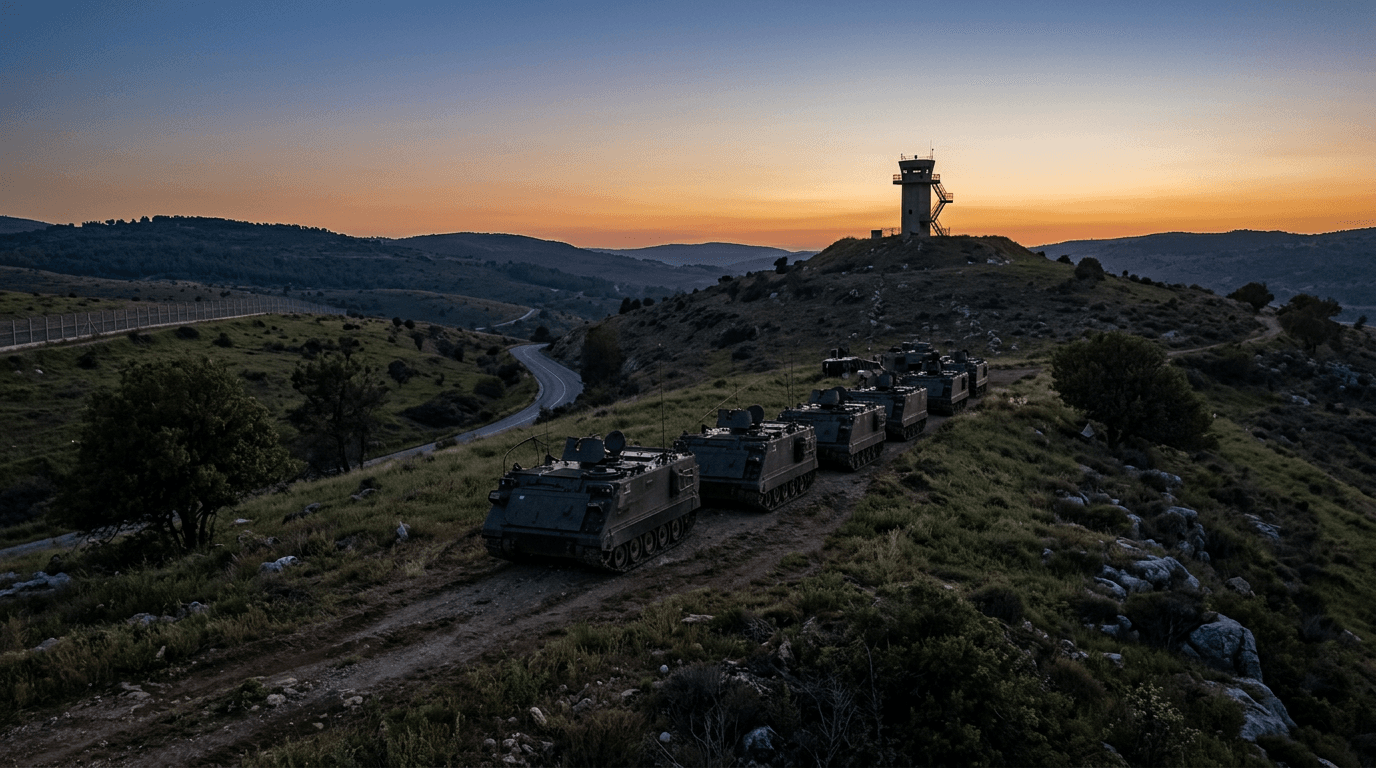
Despite the diplomatic announcement, the IDF has signaled that its mission in southern Lebanon is far from over. IDF Spokesman Brig. Gen. Effie Defrin stated that Israeli forces maintain "full freedom of action" to neutralize threats. Troops are currently operating in the Beaufort Castle area and the Ali Taher Ridge, focusing on the destruction of massive Hezbollah tunnel networks described as central command centers. The IDF reported carrying out over 150 strikes in Lebanon since midnight Friday, emphasizing that the security zone extends up to 10 kilometers from the border.
Conflicting Accounts and Violations
The initial hours of the ceasefire have been marked by tension and reported violations. Shortly after the 16:00 start time, sirens warning of a hostile aircraft infiltration sounded in the Zar'it area. While US officials told Axios that Prime Minister Netanyahu "agreed 100%" to the renewal of the ceasefire, the Prime Minister's Office has not issued a formal confirmation. Meanwhile, Iran's Foreign Ministry has already condemned ongoing IDF operations as a violation of the ceasefire memorandum, asserting that it reserves the right to protect its regional interests.
Strategic Outlook
For Israel, the ceasefire appears to be a tactical pause rather than a strategic conclusion. Israeli officials have clarified that as long as Hezbollah does not attack, Israel will not initiate new escalations, but forces will remain in southern Lebanon to ensure the group is disarmed. The situation remains highly volatile, with the IDF prepared to return to intensive combat operations if the fragile agreement collapses, as has occurred in previous weeks following lethal Hezbollah drone strikes.
3 developments
- Senior US Official Claims Israel-Hezbollah Ceasefire Set for 16:00 FridayEditorially linked
- Senior Israeli official warns: If Hezbollah attacks again, Israel will strike with full forceEditorially linked
- Report: New US-Iran Lebanon Mechanism Excludes Israel, Limits IDF ResponseEditorially linked
- IDF Pounds Hezbollah Targets After Heavy Overnight Barrage in Southern LebanonEditorially linked