The Lead
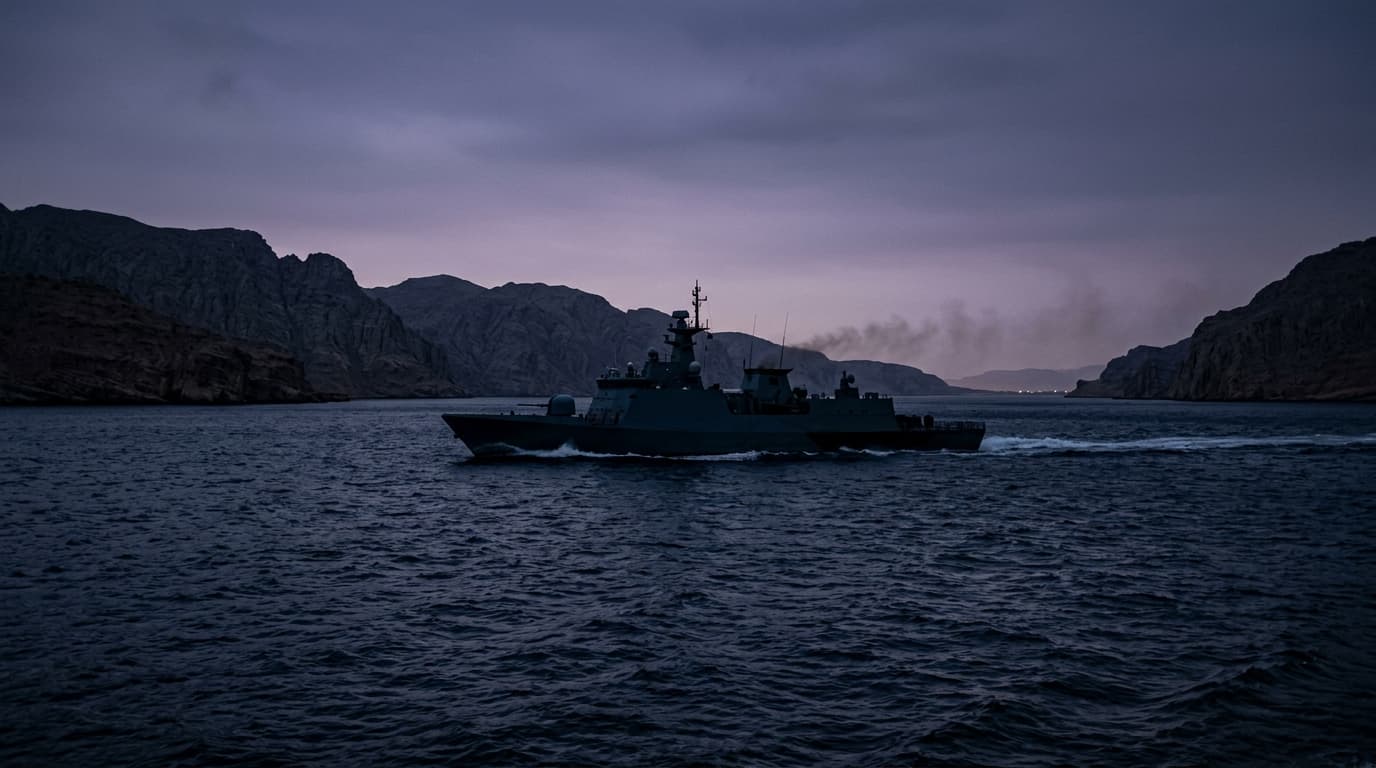
Iran has reiterated its position that the Strait of Hormuz remains closed to maritime traffic, according to reports on Monday. The statement marks a continuation of Tehran's efforts to assert administrative and military control over the world's most critical energy chokepoint.
The Iranian government and its security organs have again insisted that the Strait of Hormuz is closed, maintaining a hardline stance that has defined the region's maritime tension for weeks. While the latest reports did not provide specific new operational details, the rhetoric aligns with Tehran's established narrative of a total blockade in response to regional military friction.
Context of the Blockade
As The Zioneer has reported earlier, the status of the Strait has been a flashpoint since the Islamic Revolutionary Guard Corps (IRGC) first declared a formal blockade in June 2026. This move followed reported U.S. military strikes against coastal targets in southern Iran. Since then, Tehran has attempted to institutionalize this closure through the creation of the "Iranian Authority for the Management of the Strait of Hormuz," which claims that no foreign vessels are authorized to transit without specific permits.
Conflicting Realities
Despite Iran's repeated insistence on a total closure, the actual state of the waterway remains a subject of intense international dispute. The United States and other Western officials have previously countered Iranian claims, asserting that commercial and energy transit continues and that Tehran's declarations of a functional blockade are exaggerated. However, Iranian state media has consistently broadcast a definitive message to the contrary, warning that any vessel attempting to transit without authorization will be targeted.
Strategic Implications
For Israel and the international community, the continued Iranian insistence on closing the Strait represents a persistent threat to global energy security and maritime stability. The Strait of Hormuz is responsible for approximately 20% of the world's oil supply. By maintaining this stance, Iran seeks to leverage its geographic position to pressure the West and establish a new status quo in the Persian Gulf. Observers remain focused on whether Iran will attempt to back its rhetoric with further kinetic action against commercial shipping.
2 developments
- Turkey working to influence Israeli elections via social media, Jerusalem Post reports
- Colombia's president announces closure of Palestinian embassy, opening of embassy in Jerusalem
- Jordanian army says it intercepted two drones intended to strike the kingdom
- Senior official plans to close 14 embassies, sever ties with Cuba and Nicaragua, Rozentzweig reports