The Lead
Iranian Foreign Minister Abbas Araghchi stated Wednesday evening that officials are examining the possibility of a direct meeting in Switzerland between Iranian President Masoud Pezeshkian and U.S. President Donald Trump to sign a bilateral memorandum of understanding (MoU). The proposed framework, reported by Iranian state media, outlines a comprehensive shift in regional dynamics, including a multi-front ceasefire and a massive $300 billion American commitment to Iranian reconstruction.
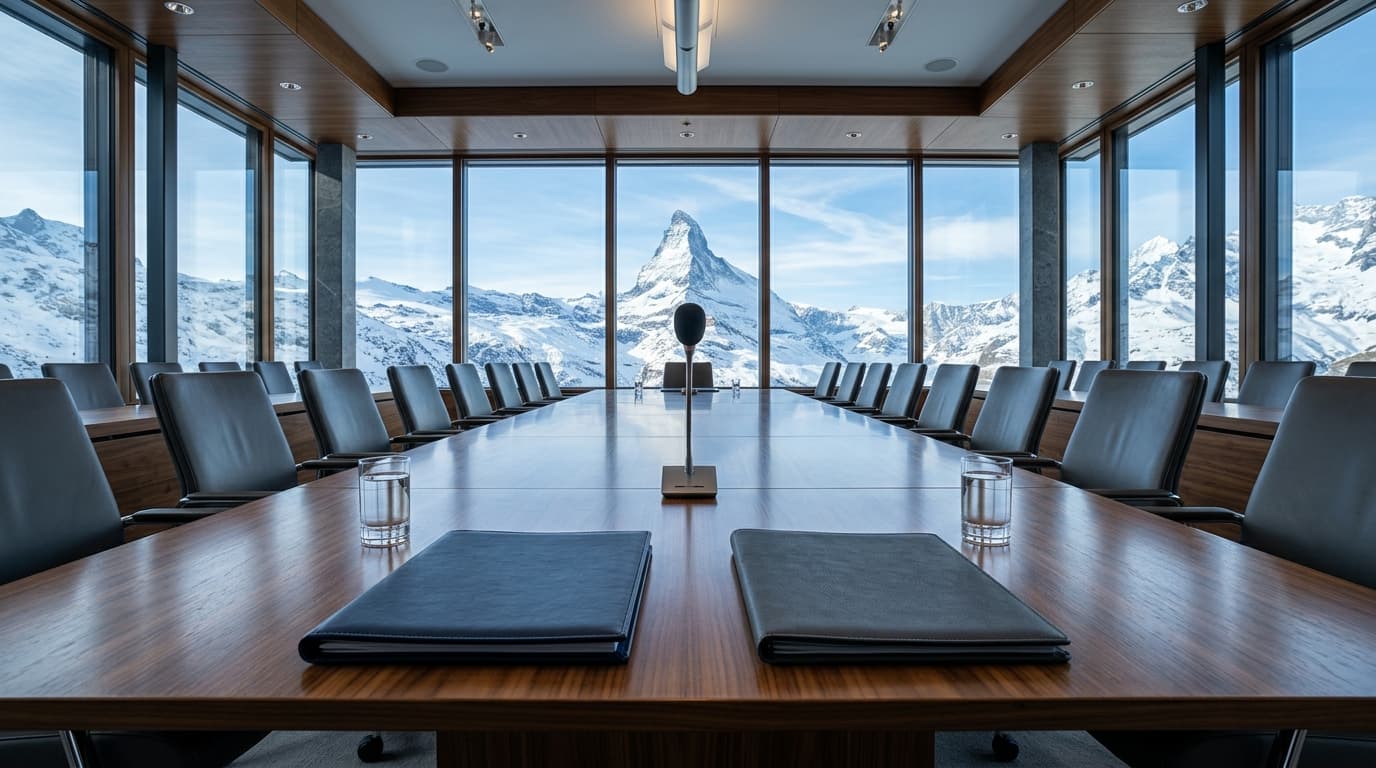
The statement from Abbas Araghchi marks a significant escalation in diplomatic signaling regarding the potential for a direct encounter between the leaders of the two adversarial nations. According to reports reviewed by The Zioneer Intelligence Desk, the venue in Switzerland is being considered as the stage for a formal signing ceremony that would operationalize a 14-point memorandum of understanding aimed at ending current hostilities.
The Framework of the Agreement
The memorandum, which has circulated in regional channels, proposes an immediate and permanent cessation of military operations on all fronts, specifically naming Lebanon. Key provisions include the U.S. lifting its naval blockade within 30 days and the gradual withdrawal of American forces from areas adjacent to the Islamic Republic. In exchange, Iran would commit to ensuring free passage through the Strait of Hormuz and reaffirming that it will not acquire or develop nuclear weapons.
Economic and Security Implications
Central to the deal is a $300 billion economic development and reconstruction plan for Iran, coordinated by the U.S. and regional partners. The MoU also outlines a 60-day window to negotiate a final, permanent agreement. During this interim period, Iran would maintain the status quo of its nuclear program, while the U.S. Treasury would grant licenses for Iranian oil exports and provide access to frozen assets.
Analysis and Outlook
While the Iranian foreign ministry is publicly discussing the Switzerland venue, the logistics of such a meeting remain complex. Prior reports indicated internal debates within Tehran regarding a remote signing at a high political level versus a physical summit. The involvement of President Trump in a direct signing would represent a historic pivot in U.S. policy toward the Islamic Republic. For Israel and the broader Middle East, the implementation of Article 1—a permanent ceasefire on all fronts—remains the most immediate and scrutinized component of the developing framework.
7 developments
- The Zioneer Intelligence Desk
- Keren Bezalel photo shows Macron beside Pezeshkian at US-Iran MoU signing ceremonyEditorially linked
- Araghchi Reveals Draft MOU Details: Friday Signing, Demands Full IDF Withdrawal from LebanonEditorially linked
- Araghchi: Any Israeli attack on Lebanon now breaches US-Iran deal; new talks FridayEditorially linked
- Netanyahu: Iran Nuclear Deal May Be Signed in Switzerland This SundayEditorially linked
- Moment of silence held outside Knesset as Israel marks third anniversary of October 7 massacre
- Three years after Oct. 7: 1,318 security personnel fallen, 1,029 civilians murdered, Zioneer reports
- IDF publishes war data, elimination list on third anniversary of October 7
- New satellite imagery reveals ongoing earthmoving at Iran nuclear site bombed in March