The Lead
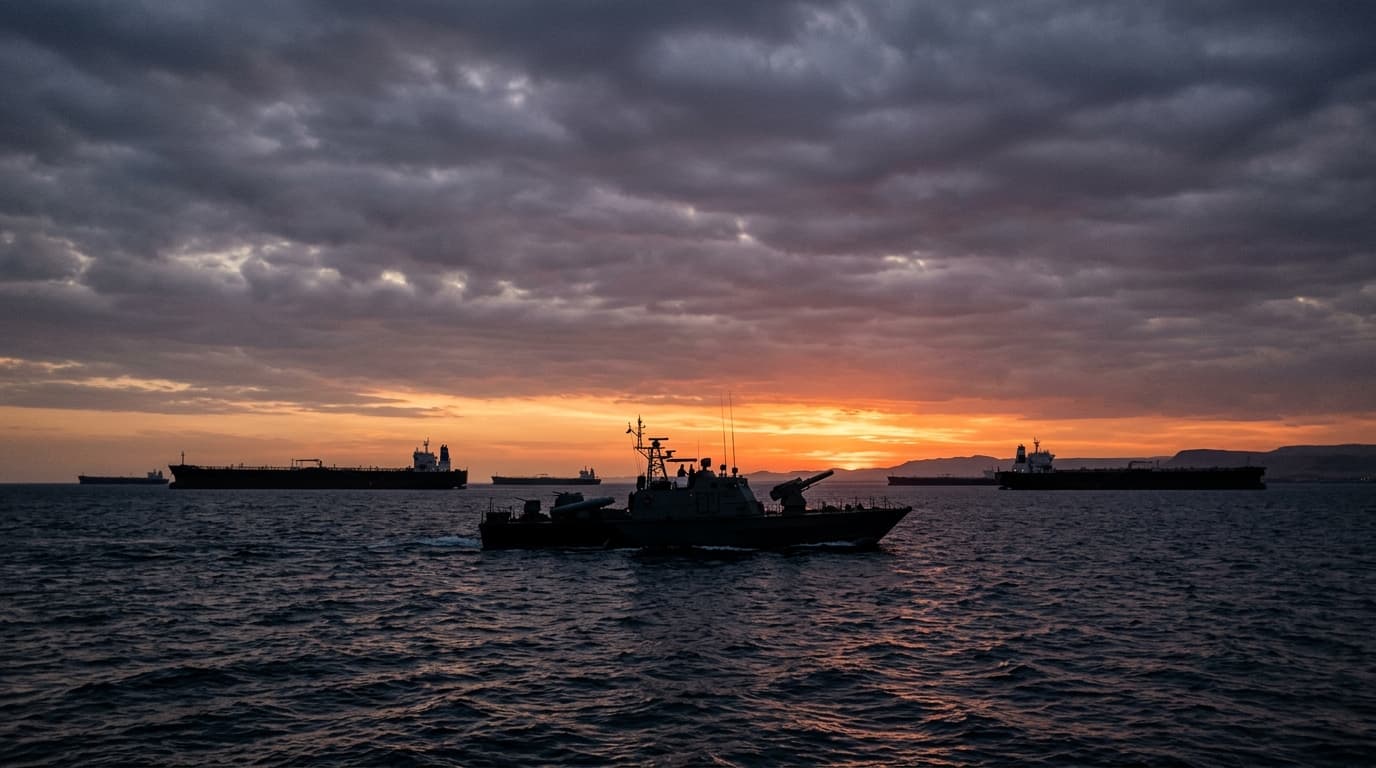
Iranian authorities warned Friday that the Strait of Hormuz will remain closed to maritime traffic until Israel completes a full military withdrawal from Lebanon and the United States removes its forces from the Persian Gulf. The ultimatum, circulated via Iranian state-linked channels, explicitly threatens to target any vessel approaching the strategic waterway, effectively holding global energy lanes hostage to Tehran's regional security demands.
The Iranian announcement marks a significant escalation in the leverage Tehran is attempting to exert over the 'Islamabad Agreement'—the memorandum of understanding between the U.S. and Iran. According to messages reviewed by The Zioneer Intelligence Desk, Iranian officials claim that the reopening of the Strait of Hormuz is contingent upon the cessation of Israeli military operations in Lebanon and the restoration of Lebanese territorial sovereignty. Tehran further demands that the U.S. lift its naval blockade and that 'terrorist' American forces exit the region entirely.
The Security Context
This threat comes as Israel maintains its military presence in southern Lebanon following repeated ceasefire violations by Hezbollah. Prime Minister Benjamin Netanyahu confirmed Friday that he has ordered the IDF to strike over 80 targets and eliminate dozens of operatives in response to an attack that killed four Israeli soldiers, including a battalion commander. Netanyahu emphasized that Israel will remain in the southern Lebanon security zone for as long as necessary to protect northern communities, directly contradicting the conditions set forth by Tehran for the strait's reopening.
Strategic Analysis
By linking the Strait of Hormuz—a chokepoint through which approximately one-fifth of the world's oil passes—to the conflict in Lebanon, Iran is attempting to internationalize the pressure on Israel. The Zioneer Intelligence Desk notes that while the Islamabad Agreement reportedly scheduled a full reopening of the strait for today, June 19, the Islamic Revolutionary Guard Corps (IRGC) appears to be using the continued IDF presence in Lebanon as a pretext to maintain the blockade. This suggests a strategy of 'managed escalation,' where Tehran tests the limits of U.S. diplomatic patience while shielding its proxy, Hezbollah, from further Israeli degradation.
Outlook
The situation remains highly volatile. With the IRGC ordering all vessels to avoid the area under threat of attack, the global shipping industry faces renewed uncertainty. The core tension lies between Israel's security-first necessity to neutralize Hezbollah threats and the international desire for maritime stability. Observers should watch for the U.S. response to these added conditions, as they represent a departure from the initial framework of the diplomatic understandings reached in Islamabad.
4 developments