The Lead
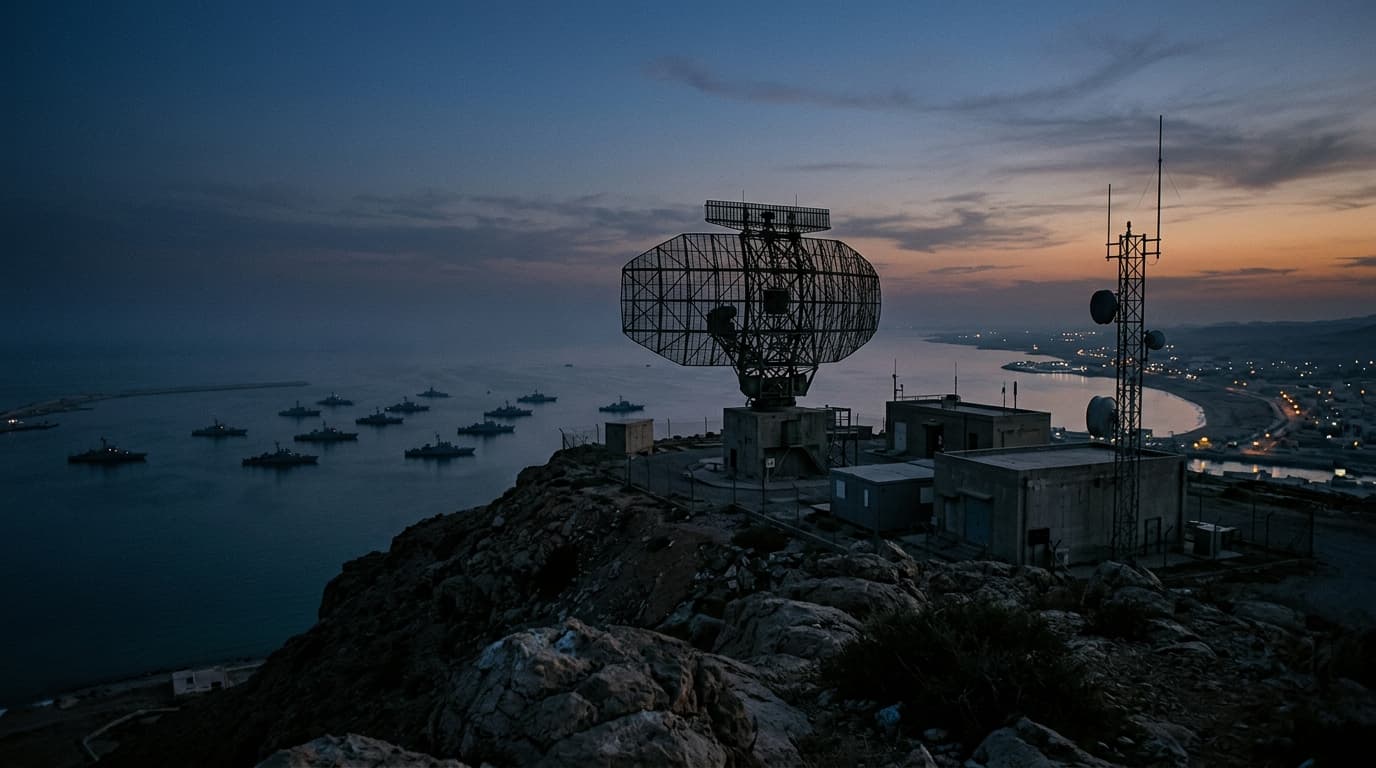
The Islamic Revolutionary Guard Corps (IRGC) announced Saturday night that it has raised its operational readiness to the highest possible level, accompanied by a direct threat to regional nations hosting American military assets. In an official statement, the IRGC warned that any state allowing its territory or airspace to be used for "American aggression" would face the "total destruction" of its interests and infrastructure.
The Islamic Revolutionary Guard Corps (IRGC) issued a formal declaration on Saturday night, signaling a transition to its most advanced state of combat readiness. The announcement, released at approximately 23:55 Jerusalem time, frames the move as a defensive necessity to protect the Islamic Republic against potential preemptive strikes by the United States.
Direct Threats to Regional Neighbors
Central to the IRGC's declaration is an explicit ultimatum directed at regional states that host U.S. military bases or personnel. The statement warns that any aggression originating from the territory or airspace of these nations will be met with a "comprehensive and harsh response." The IRGC specifically threatened the "total destruction of the presence, assets, and interests" of these nations in the Gulf region, stating that "those who have been warned no longer have an excuse."
This rhetoric follows a pattern of increasing pressure on Gulf nations. As [The Zioneer reported earlier](https://thezioneer.com/en/article/irgc-declares-end-of-restraint-policy-threatens-gulf-infrastructure-c0a7349d), the IRGC previously named five specific nations—the United Arab Emirates, Saudi Arabia, Kuwait, Bahrain, and Qatar—as hosts of infrastructure belonging to the "American-Zionist enemy." Tonight's declaration elevates those prior warnings into a "final" ultimatum linked to immediate operational readiness.
Context of Escalation
The move to maximum alert comes amid a period of intense friction between Tehran and Washington. Earlier this week, on Saturday afternoon, the IRGC spokesman announced that the armed forces had begun transitioning to "war protocols." The latest update suggests that this transition is now complete across all operational sectors.
While the IRGC presents these measures as a response to anticipated American actions, the framing serves a dual purpose: deterring regional cooperation with the U.S. and preparing the Iranian domestic front for potential kinetic engagement. The mention of the Gulf region specifically highlights Iran's strategic focus on global energy corridors as a primary lever of retaliation.
Analysis and Outlook
The IRGC's statement is characterized by a shift from general warnings to specific threats of total destruction against sovereign neighbors. By declaring that there is "no longer an excuse" for hosting U.S. forces, Tehran is attempting to isolate the United States from its regional partners.
However, the actual capacity of the IRGC to carry out such a "total destruction" against multiple regional states simultaneously remains a matter of strategic debate. Security analysts note that such rhetoric often precedes or accompanies periods of high-stakes negotiation or expected military strikes, aimed at raising the cost of any action against Iranian soil. The situation remains highly volatile as regional capitals weigh the credibility of Tehran's ultimatum against their security commitments to the United States.
- IRGC Spokesman: Iran's Armed Forces Enter Highest Readiness, Move to War ProtocolsEditorially linked
- Marandi warns: Iran will respond immediately if Trump attacks tonight, calls for Gulf evacuationEditorially linked
- IRGC spokesperson: Tehran not bound by US MOU, armed forces authorized to act freely in Middle EastEditorially linked
- IRGC threatens to strike Kuwait, Bahrain, and Jordan 'with force'Editorially linked
- Arab report: missiles fired at ships violating rules in Strait of Hormuz
- Report: China transferred high-resolution satellite imagery to Iran for Jordan base attack
- Saudi Arabia shuts down East-West pipeline after drone strikes from Iraq hit pumping stations
- Police release details on fallen Yamam fighter Itai Person