The Lead
Israeli authorities have begun clearing four historic buildings within the Al-Aqsa Mosque compound that serve as administrative offices for the Jordanian-backed Islamic Waqf, according to sources familiar with the matter. The development follows a reported two-month paralysis of Waqf operations, during which routine maintenance work was allegedly frozen by Israeli police requirements.
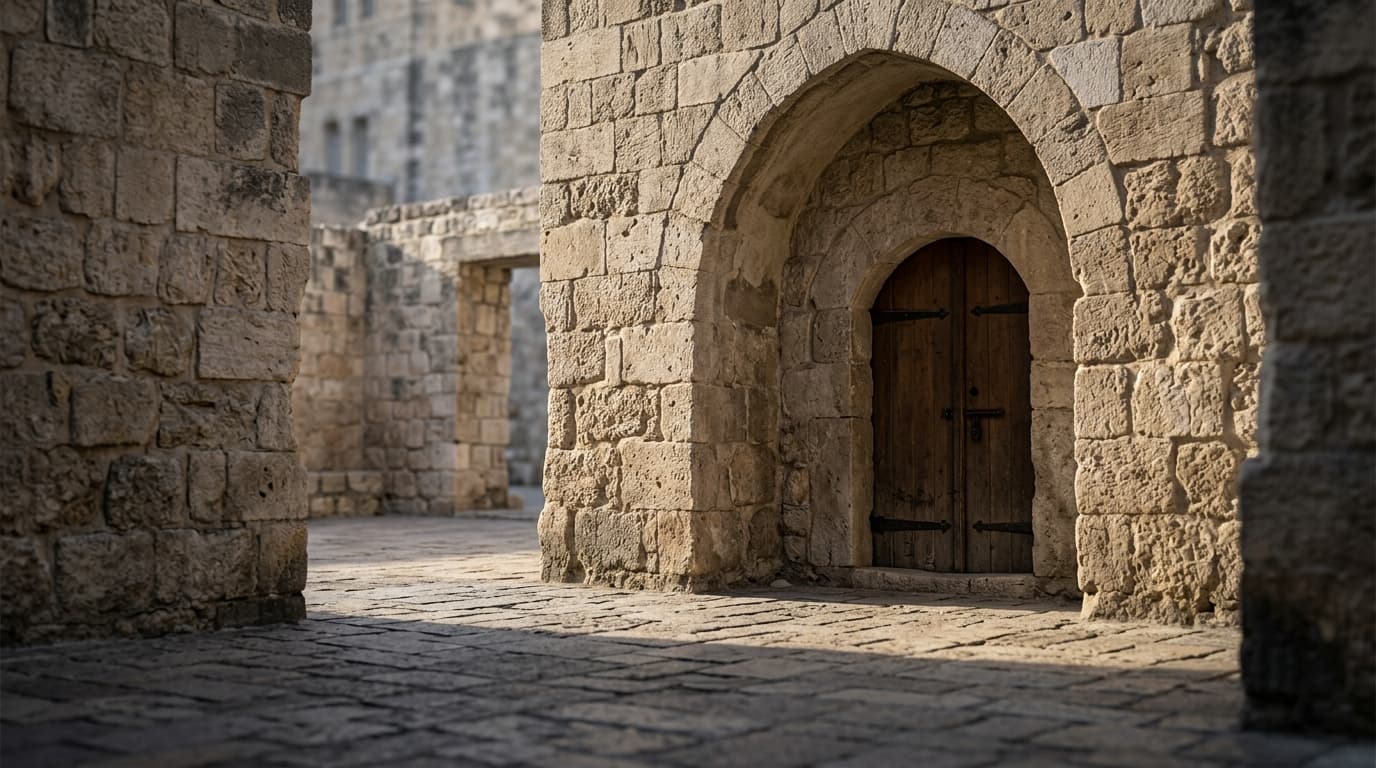
The clearing of these administrative landmarks marks a significant shift in the management of the sensitive site. According to material reviewed by The Zioneer Intelligence Desk, the four buildings are historic structures used by the Waqf for its daily operations. This move follows a period of approximately two months where the Jordanian-backed body has reportedly been unable to conduct basic maintenance—ranging from fixing windows to clearing weeds—without explicit sign-off from the Israel Police.
Context and Precedent
The Islamic Waqf is the religious trust responsible for overseeing the Al-Aqsa Mosque compound, a role anchored in the long-standing 'status quo' arrangements and Jordan's recognized custodianship of Jerusalem's holy sites. Sources cited in the reports suggest that the current tactics mirror previous instances where administrative control was shifted, specifically referencing the takeover of a prayer hall 16 years ago. The Zioneer has previously reported on the potential severing of ties between the Israel Police and the Waqf, suggesting a broader trend of changing security and administrative coordination at the site.
Analysis and Strategic Outlook
While Israeli authorities have not issued an official statement regarding the specific purpose of clearing these offices, adversarial sources claim the 'endgame' is a fundamental rebranding of the compound. These claims suggest a plan to replace the Waqf’s exclusive administrative role and potentially re-designate the site as a "multi-faith center." However, these assertions remain unconfirmed and are currently categorized as developing reports.
The situation remains highly sensitive given the Temple Mount's status as the holiest site in Judaism and the third-holiest in Islam. Any structural or administrative change to the status quo often carries significant diplomatic and security implications for Israel's relationship with Jordan and the broader region. Observers are closely watching for official confirmation from the Prime Minister's Office or the Israel Police regarding the long-term status of these historic buildings.
- 401st Brigade Commander: Southern Lebanon Operation Prevented Threats to Israeli Civilians
- MK Tali Gottlieb calls Sharren Haskel a liar, tells her to leave the Knesset
- Police seek 10-day remand extension for suspects in northern Israel rape case
- Iranian defense official: Enemy statements are 'real threat worthy of attention'