The Lead
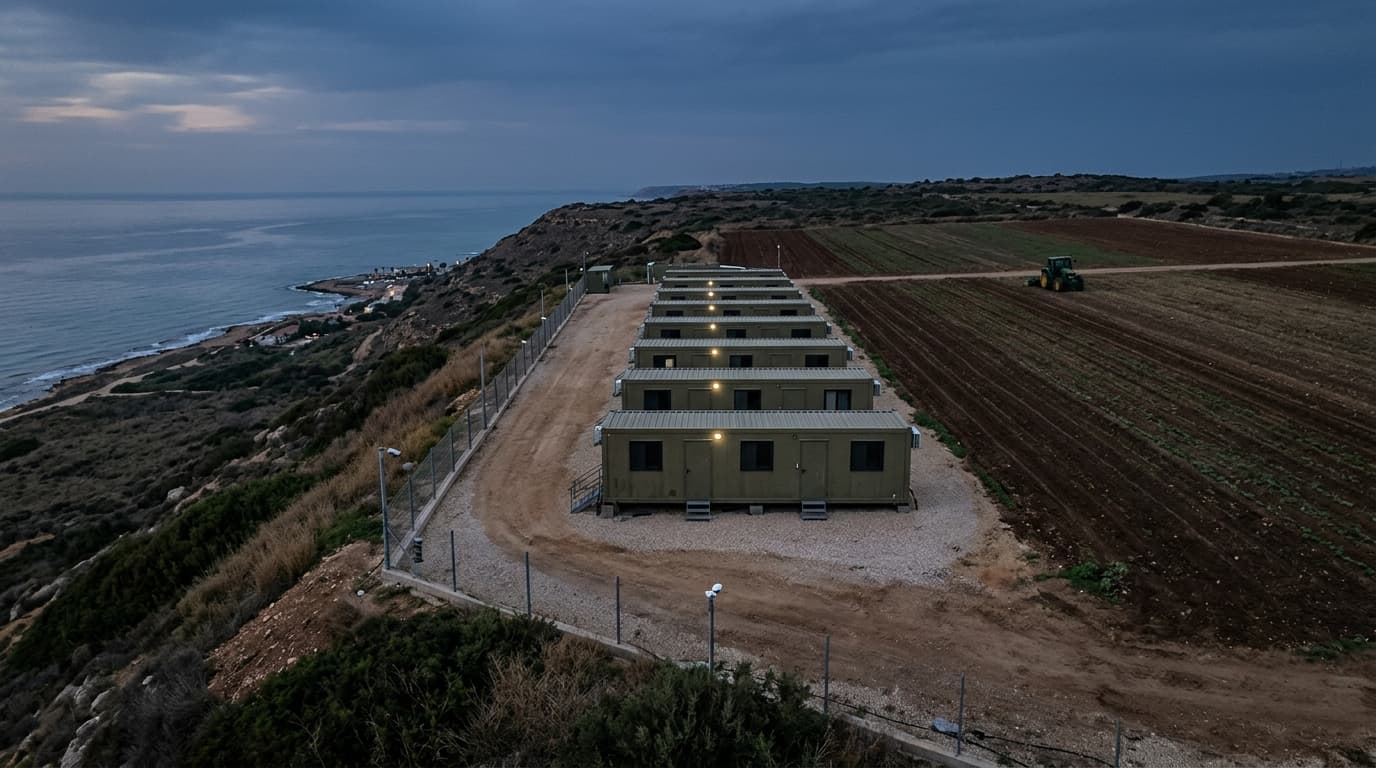
Defense Minister Israel Katz announced on Tuesday that Israel will establish Nahal nuclei—military-agricultural outposts—in the former northern Gaza communities of Dogit, Nisanit, and Ali Sinai. The move follows a formal declaration that Hamas has failed to comply with the terms of the current agreement, marking a significant shift in Israel's long-term security posture in the northern Gaza Strip.
Defense Minister Israel Katz has signaled a return to a physical presence in northern Gaza, stating that the establishment of Nahal nuclei in Dogit, Nisanit, and Ali Sinai will proceed once Hamas is formally declared non-compliant with the standing agreement. The announcement, reported by security correspondent Yair Goldblatt, anchors Israel's security strategy in the creation of permanent buffer zones and military outposts to prevent the rehabilitation of terror infrastructure.
Strategic Return to Northern Gaza
The three locations named—Dogit, Nisanit, and Ali Sinai—were Israeli communities in the northern Gaza Strip that were dismantled during the 2005 Disengagement. By selecting these specific sites for the establishment of Nahal nuclei, the defense establishment is signaling a transition from temporary operational control to a structured, long-term presence. Nahal nuclei traditionally combine military service with agricultural or community-building activities, a model historically used to secure border regions and strategic corridors.
Context of Non-Compliance
This decision follows repeated warnings from the defense minister regarding Hamas's conduct. As The Zioneer reported on July 13, Katz had previously cautioned that if Hamas failed to disarm, Israel would establish three Nahal settlement nuclei in northern Gaza. The current announcement indicates that the government has reached a formal determination that the terror organization has not met its obligations under the ceasefire or broader security arrangements. Recent IDF strikes on Hamas weapons manufacturing sites and rocket-launch positions in Gaza City have further underscored the ongoing threat and the failure of the group to cease its military rehabilitation efforts.
Analysis and Security Implications
From a security perspective, the establishment of these outposts serves as a physical barrier against renewed jihadist incursions. Katz has previously emphasized that the IDF intends to maintain security zones in Gaza, Lebanon, and Syria "indefinitely" to ensure that border communities can live in safety. The move also reflects growing domestic pressure from Zionist youth movements and settlement organizations, such as the Ariel movement and Nachala, which have recently petitioned the government to authorize such outposts as a direct response to terror.
Outlook
The formal establishment of these nuclei will likely depend on the official publication of the non-compliance report. While the move is framed as a security necessity to prevent Hamas from regaining a foothold in northern Gaza, it also represents a significant political milestone. Observers will be watching for the IDF's practical implementation of these outposts and the international reaction to the re-establishment of a semi-permanent Israeli presence in areas vacated two decades ago.
- Footage captures attempt to intercept drones over Grand Mosque in Mecca
- Houthis reportedly tell US they will spare Israeli, American ships but target Saudi vessels
- Amazon details timeline of permanent data loss in Bahrain, expects update in early 2027
- IDF braces for Hamas retaliation after wave of targeted assassinations, i24NEWS reports