The Lead
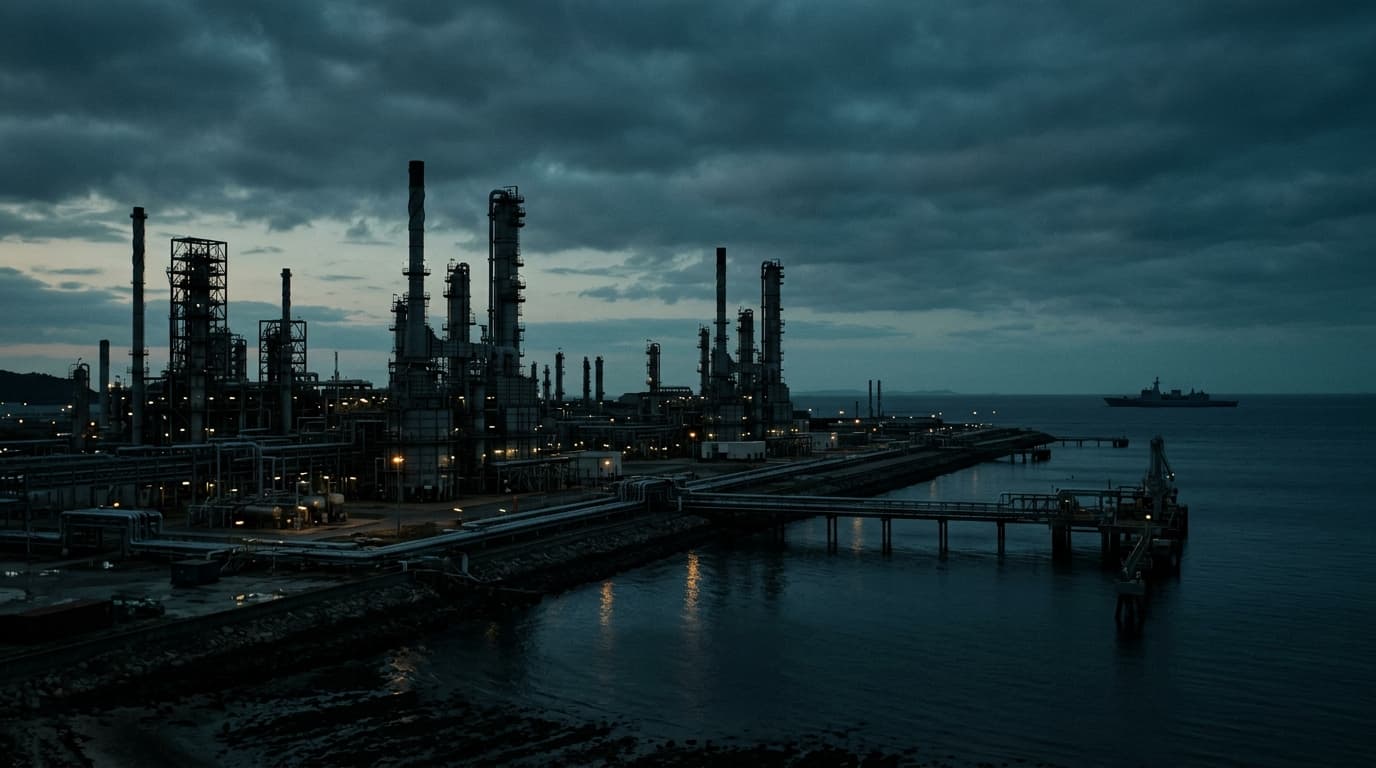
The United States military conducted an extensive wave of airstrikes against dozens of targets in Iran overnight Thursday, marking a significant escalation in the ongoing kinetic campaign against the Iranian regime. Reports indicate that the strikes targeted critical infrastructure in Abadan—home to major oil refineries—as well as Bushehr, Kazerun, and the strategic islands of Qeshm and Kish in the Persian Gulf.
The overnight operations represent a broad application of American air power against both the Iranian regime's economic lifelines and its military positioning. According to initial reports, the strikes were not limited to a single sector but spanned several provinces, with a heavy focus on the southern coastal regions and energy hubs. While the full extent of the damage remains unclear, the inclusion of Abadan suggests a direct challenge to the regime's refined petroleum capacity.
Strategic Targets and Geography
The reported targets include some of Iran's most sensitive military and industrial zones. Abadan is a cornerstone of the Iranian energy sector, while Bushehr serves as a primary hub for both naval operations and the Islamic Revolutionary Guard Corps (IRGC) drone infrastructure. The strikes on Qeshm and Kish islands further indicate an effort to degrade Iranian maritime and surveillance capabilities in the Strait of Hormuz. These locations have been the site of previous American operations, as The Zioneer has reported, but the scale of dozens of targets in a single night suggests a more intensive phase of the campaign.
Context of the Escalation
This wave of strikes follows the collapse of the 'Islamabad' memorandum earlier in 2026 and a series of regional provocations. As of July 2026, the U.S. military, under the second Trump administration, has shifted from a posture of containment to one of active retaliation. This transition was accelerated by the closure of the Strait of Hormuz and prior Iranian attacks on U.S. facilities in Jordan, Bahrain, and Kuwait. The current campaign aims to systematically erode the IRGC's ability to project power through ballistic missiles and drone swarms.
Analysis and Outlook
The situation remains developing, and neither the Pentagon nor Tehran has provided a final casualty count or a detailed damage assessment. However, the targeting of energy infrastructure alongside military assets signals a strategy of maximum pressure intended to strain the regime's internal stability. Observers should watch for Iranian retaliatory attempts via its regional proxies or direct missile fire, which the regime has previously threatened in response to strikes on vital infrastructure. The persistence of these operations indicates that the U.S. is committed to a sustained kinetic effort until its strategic objectives are met.
2 developments
- The Zioneer Intelligence Desk
- US strikes power plants in southern Iran, causing blackout on Qeshm IslandEditorially linked
- Unofficial Iranian Sources Detail 11 Strike Locations Following Overnight US StrikesEditorially linked
- Reports: US strikes hit targets in Khuzestan and Hormozgan provinces in southern IranEditorially linked
- Overnight: US Strikes Iran for Third Night; Iran Retaliates Against US Targets in Bahrain, Kuwait, and JordanEditorially linked
- Tamir Mor: Iran's Hormuz closure strategy backfired, warns of possible war renewal
- US F-15 WSO 'Bravo' recounts shootdown and survival deep inside Iran in new interview
- Senior Hamas commander Ahmad al-Batsh eliminated in IDF drone strike in Gaza City
- Pentagon IG report: Iran war cost $33.4 billion, confirms strike on Bahrain base