The Lead
The United States has effectively seized control of the Strait of Hormuz, turning Iran's intended blockade into a 'double-edged sword' that now threatens the regime's survival, according to an analysis by Tamir Mor released Tuesday. The failure of Tehran's strategy may push the Islamic Republic to renew hostilities in the coming weeks to force an end to the economic stranglehold.
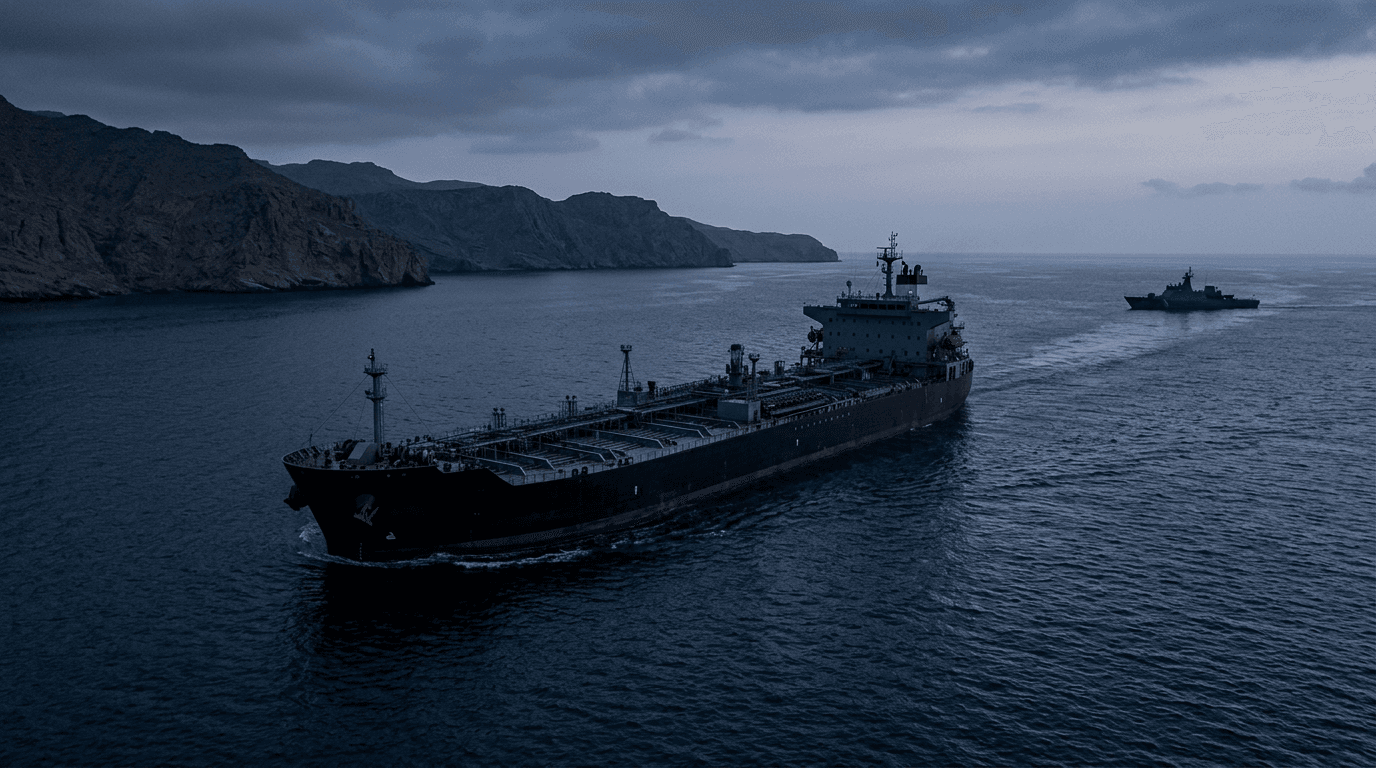
The strategic debate over oil transit through the Strait of Hormuz has reached a decisive turning point. According to analyst Tamir Mor, the United States now maintains operational control over the waterway, effectively neutralizing Iran's attempt to dictate global energy flows. This shift represents a significant setback for Tehran, which had initially declared the strait closed in July to exert pressure on the international community.
The Failed Blockade
As The Zioneer reported earlier this summer, the Islamic Revolutionary Guard Corps (IRGC) officially announced the closure of the strait on July 12, leading to a period of direct kinetic confrontation and U.S. precision strikes. However, the current assessment indicates that the strategy has backfired. Instead of isolating Washington, the blockade has allowed the U.S. to coordinate with regional partners and maintain oil shipments for Gulf states while simultaneously preventing Iranian exports. This reversal has intensified the economic pressure on Tehran, transforming the maritime standoff into what Mor describes as an existential threat to the Iranian regime.
Potential for Escalation
The failure to achieve its strategic goals through the blockade may leave Iran with few options. The analysis warns that Tehran could seek to renew active warfare in the coming weeks, potentially timed to coincide with the U.S. congressional elections in early November. Such a move would be a desperate attempt to force the United States to lift its economic siege.
Strategic Outlook
For Israel and its regional allies, the continued economic pressure on Iran is viewed as a critical component in destabilizing the regime's ability to fund regional aggression. However, the risk of a renewed kinetic conflict remains high as the 'stranglehold' on Iran's oil industry tightens. The Zioneer will continue to monitor intelligence indicators and official responses from both Washington and Tehran as the November elections approach.
- US F-15 WSO 'Bravo' recounts shootdown and survival deep inside Iran in new interview
- Overnight: Houthis strike six Saudi provinces with missiles and drones, including Aramco targets
- Senior Hamas commander Ahmad al-Batsh eliminated in IDF drone strike in Gaza City
- Minister Miki Zohar: Screening Film 'Naz'a' Is Support for Terror, Budgets to Be Cut