The Lead
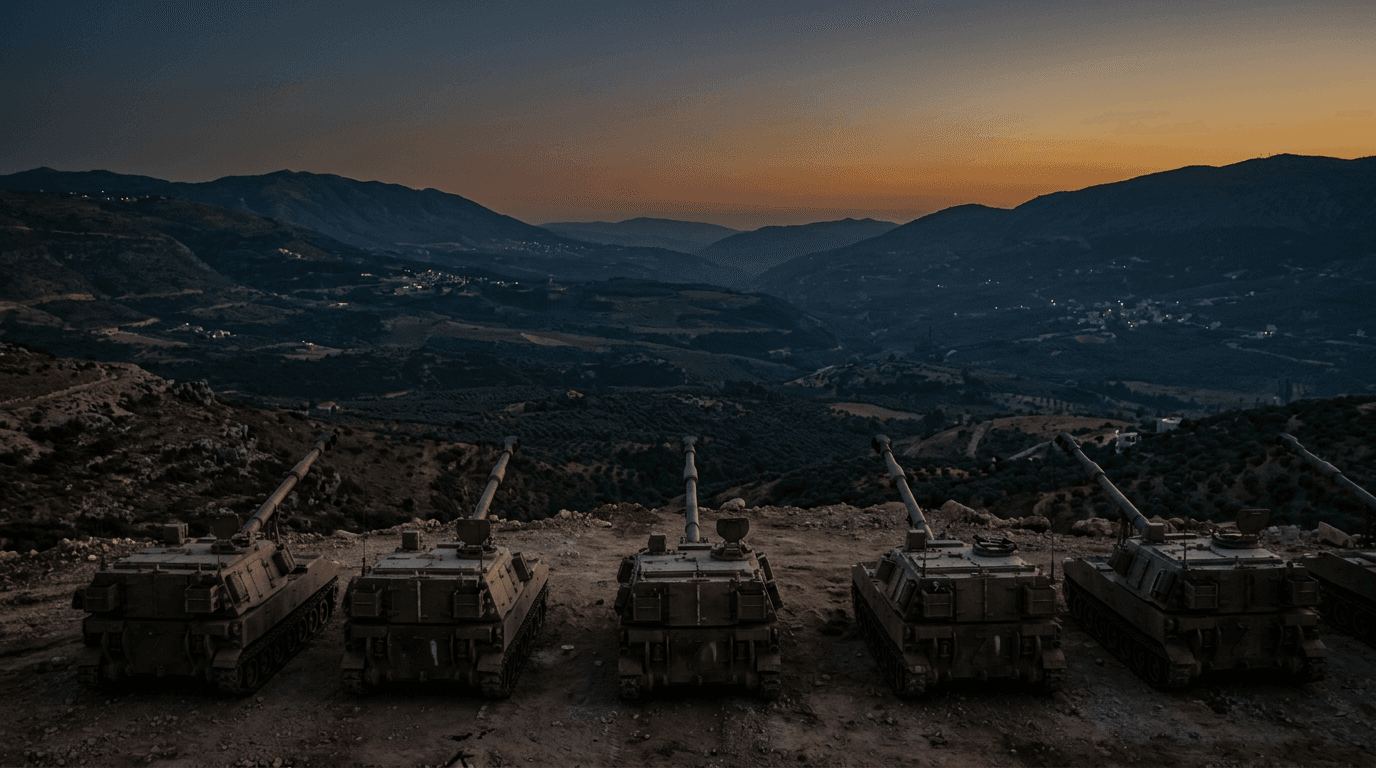
The Israeli political echelon has directed the IDF to cease fire in southern Lebanon following a series of military strikes in the sector. The directive has reportedly met with significant opposition from within the military, where officials and troops express concern that their operational freedom is being severely restricted despite ongoing threats.
Operational Shift in the North
Following a period of intensive IDF activity in southern Lebanon, the political echelon has issued a directive to halt offensive fire. This development comes amid a complex regional landscape where Israel is navigating multi-front security challenges involving Hezbollah and its Iranian backers. While the order aims to pause kinetic activity, it has triggered immediate friction between the government and the military leadership.
Internal Friction and Tactical Concerns
Reports reviewed by The Zioneer Intelligence Desk indicate that the IDF leadership opposes the move. Military officials argue that the directive hampers the ability of troops to effectively neutralize threats and maintain the security zone established in recent weeks. Troops on the ground have reportedly described the situation as having their "hands tied," particularly as Hezbollah continues to launch rocket fire toward Israeli forces operating in the area.
Strategic Context and Regional Pressure
Analysis of the directive suggests it may be linked to broader diplomatic pressures or strategic signaling. Some reports have pointed toward influence from Washington or a desire to de-escalate in the face of Iranian threats to close the Strait of Hormuz. However, the contrast between the political order and the tactical reality remains sharp. Earlier today, Hezbollah launched dozens of rockets at IDF forces, and a soldier was reported killed in action overnight between Friday and Saturday.
Outlook for the Northern Front
As of Saturday night, the IDF remains on high alert. While the political echelon has ordered the cessation of fire, the military has been instructed to respond to direct threats against its forces. The sustainability of this "ceasefire" remains doubtful given the high-intensity nature of the current confrontation and the reported dissatisfaction within the IDF ranks. Observers are closely watching whether this pause will lead to a formal diplomatic arrangement or serve as a temporary lull before further escalation.
5 developments
- The Zioneer Intelligence Desk
- Source: IDF Approval Thresholds Sharply Tightened for Lebanon Strikes — Now Require Chief of Staff OKShared subject
- Political echelon orders: targeted strikes in Gaza now require Chief of Staff approvalShared subject
- IDF issues first evacuation warning in months for southern Lebanon village, strikes HezbollahRelated analysis
- Channel 14: Israel limits troops in Lebanon to defensive fire; senior official warns of 'Hannibal 2' kidnapping riskRelated analysis