The Lead
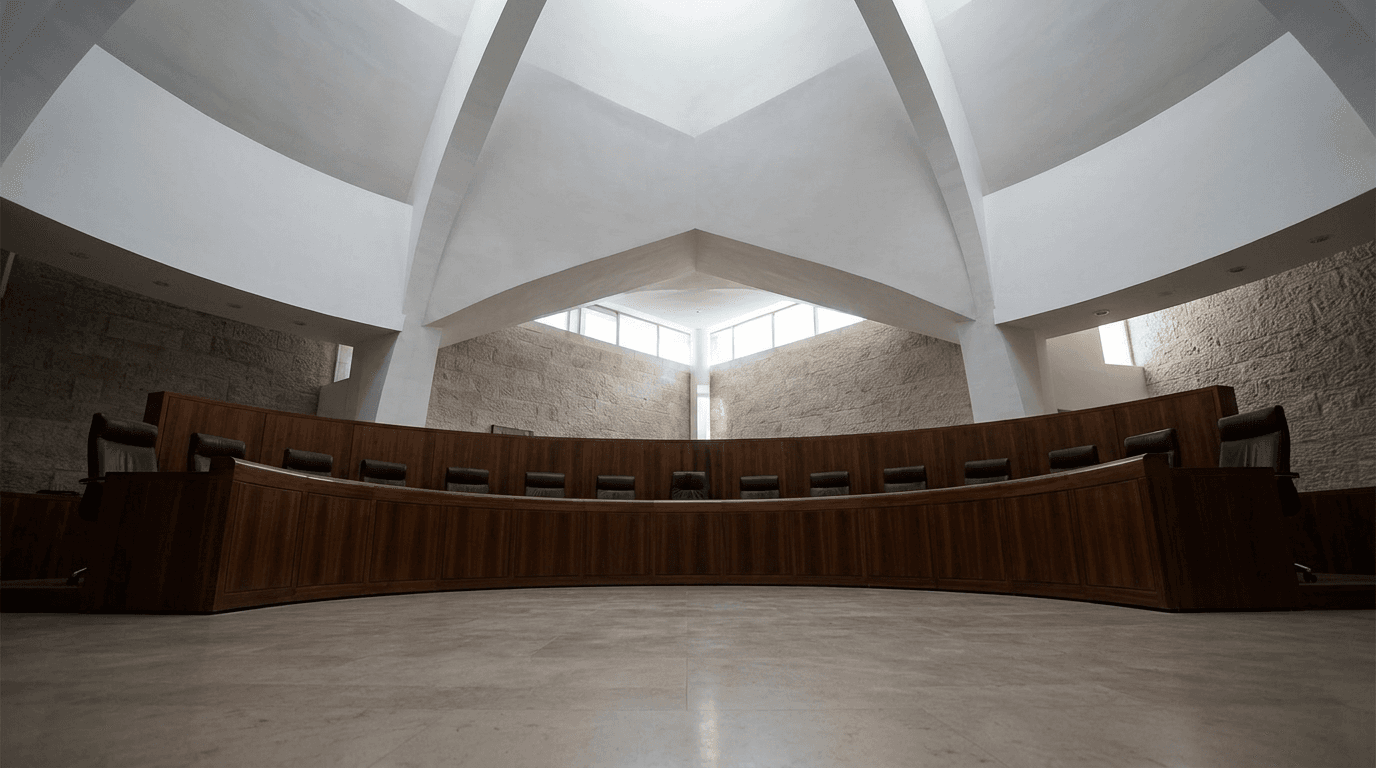
Supreme Court President Isaac Amit warned on Sunday that proposed changes to the Judicial Selection Committee constitute a "regime change," as an expanded 11-justice High Court panel convened to hear petitions against a controversial Basic Law amendment.
The Warning from the Bench
During a high-stakes hearing on Sunday morning, Supreme Court President Isaac Amit characterized the legislative effort to restructure the Judicial Selection Committee as a fundamental shift in Israel's democratic structure. "We are in a regime change," Amit stated, according to material reviewed by The Zioneer Intelligence Desk. The President of the Court further suggested that instead of removing the two representatives of the Israel Bar Association, as the amendment proposes, it might be more appropriate to "remove two politicians" from the panel.
Context of the Reform
The hearing centers on petitions against a Basic Law amendment that seeks to replace the Israel Bar Association's representatives with appointees chosen by the Knesset. This move is a core component of the broader judicial reform initiative, which supporters argue is necessary to increase democratic accountability in the selection of judges. Critics, however, contend that removing professional representatives in favor of political appointees undermines the independence of the judiciary.
Analysis and Implications
The use of the term "regime change" by the head of the judiciary signals a deepening of the constitutional confrontation between the judicial and legislative branches. Earlier in the session, President Amit asserted the court's authority to review and potentially invalidate Basic Laws, citing the reasonableness standard ruling as a precedent. This stance directly challenges the government's position that Basic Laws should be immune from judicial review.
What to Watch
The expanded panel's deliberations are expected to continue as the court weighs the balance between parliamentary sovereignty and the protection of institutional independence. The outcome of this case will likely define the limits of the Knesset's power to alter the fundamental rules of the judicial selection process and the extent of the High Court's intervention in constitutional legislation.
3 developments
- N12
- Expanded High Court of Justice to hear petitions against judicial selection committee reformEditorially linked
- Full 15-justice High Court panel opens hearing on judicial selection reformEditorially linked
- MK Simcha Rothman defends judicial selection reform ahead of High Court rulingEditorially linked
- Supreme Court President warns political appointments will reshape judiciary within 15 yearsEditorially linked