The Lead
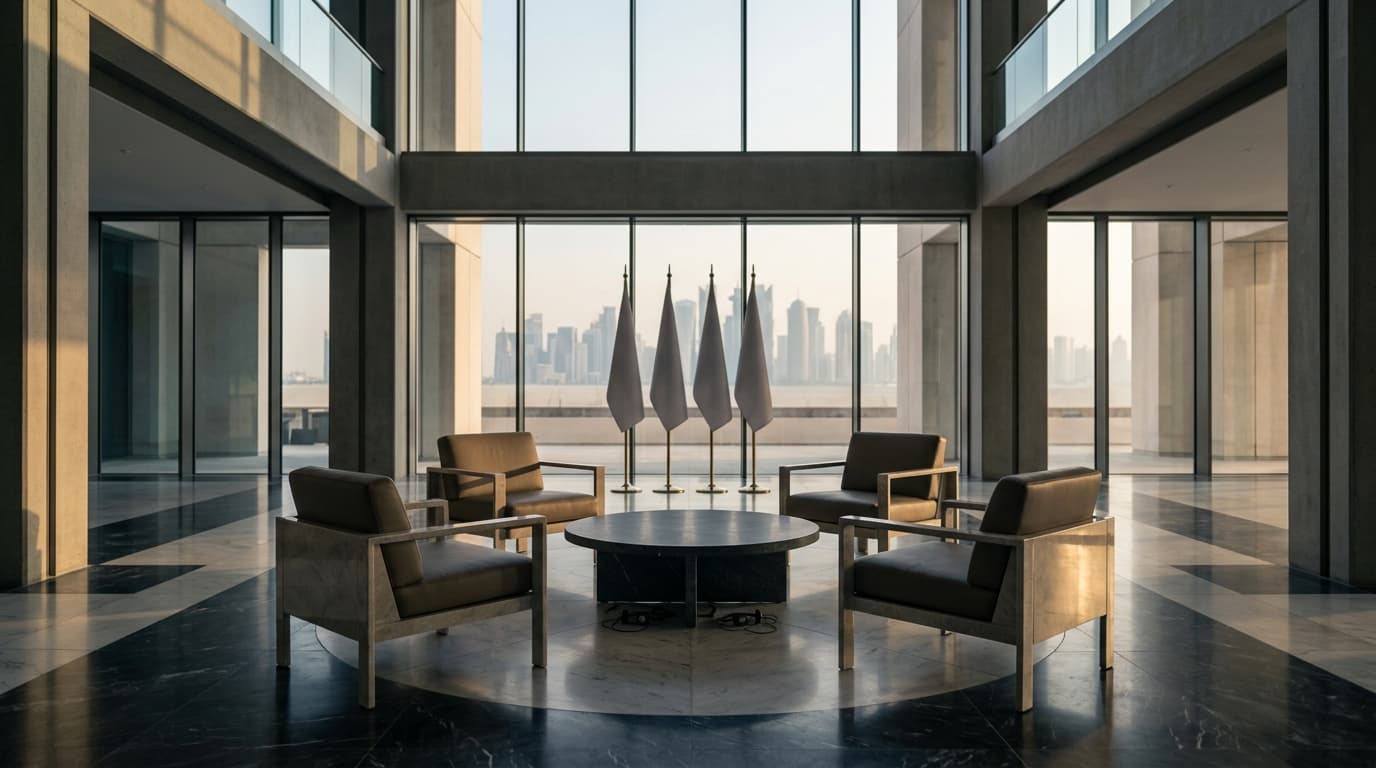
A quadrilateral meeting involving representatives from Qatar, the United States, Iran, and Pakistan commenced in Doha on Sunday afternoon to address the escalating crisis in Lebanon. The high-level session follows a series of bilateral talks and comes amid intensified regional mediation efforts aimed at securing a cessation of hostilities on Israel's northern front.
Diplomatic Push in Doha
Representatives from Qatar, the United States, Iran, and Pakistan convened in Doha on Sunday afternoon for a quadrilateral session focused on the situation in Lebanon. According to reports reviewed by The Zioneer Intelligence Desk, the meeting is part of a broader diplomatic architecture designed to bridge the gap between adversarial parties and stabilize the northern arena. This session follows earlier bilateral meetings held throughout the day, including discussions between Iranian officials and mediators from Pakistan and Qatar.
Context and Regional Dynamics
The inclusion of both the United States and Iran in the same diplomatic framework—mediated by Qatar and Pakistan—underscores the complexity of the current escalation. While the primary focus remains a ceasefire in Lebanon, the broader context involves a delicate balance of regional interests. Earlier reports from internal archives indicate that Tehran's central demand in these negotiations has been an immediate halt to Israeli military operations in Lebanon. Conversely, Israeli officials have previously signaled that while they are open to diplomatic resolutions, operations against Hezbollah infrastructure will continue as long as Israeli communities remain under threat.
Analysis of the Mediation Track
The Zioneer Intelligence Desk notes that the presence of Pakistan alongside Qatar as a mediator adds a unique layer to the talks. Pakistan's Prime Minister has recently called for restraint between Iran and Israel, positioning Islamabad as a secondary channel for de-escalation. However, the picture remains developing; while some reports suggest "significant progress" toward a regional deal, the fundamental gap between Israel's security requirements and Iran's demands for its proxy, Hezbollah, has not yet been publicly bridged.
Outlook for the Northern Front
As the Doha talks proceed, the situation on the ground remains fluid. Israeli security officials have emphasized the challenge of separating negotiations with Tehran from the specific tactical realities of the Lebanon front. For Israel, any diplomatic arrangement must ensure the removal of the Hezbollah threat from the border, a condition that remains the primary hurdle in these multi-party discussions. The Zioneer will continue to monitor the outcomes of the Doha session as they emerge.
5 developments
- Iran-US talks begin in Switzerland with Qatari, Pakistani mediatorsEditorially linked
- Report: New US-Iran Lebanon Mechanism Excludes Israel, Limits IDF ResponseEditorially linked
- Report: New Qatari Initiative Proposes Long-Term 'Hudna' Between Israel and HezbollahEditorially linked
- Report: Fighting in Lebanon Threatens U.S.-Iran Peace Talks in SwitzerlandEditorially linked
- Police official says no Bedouin battalion organizing is known after Shin Bet warning
- Special court for October 7 suspects not established; first verdict forecast for 2030
- France’s foreign minister attends Israeli memorial ceremonies, skips official meetings
- Report says Houthis have tightened control around Yemen’s Taiz