The Lead
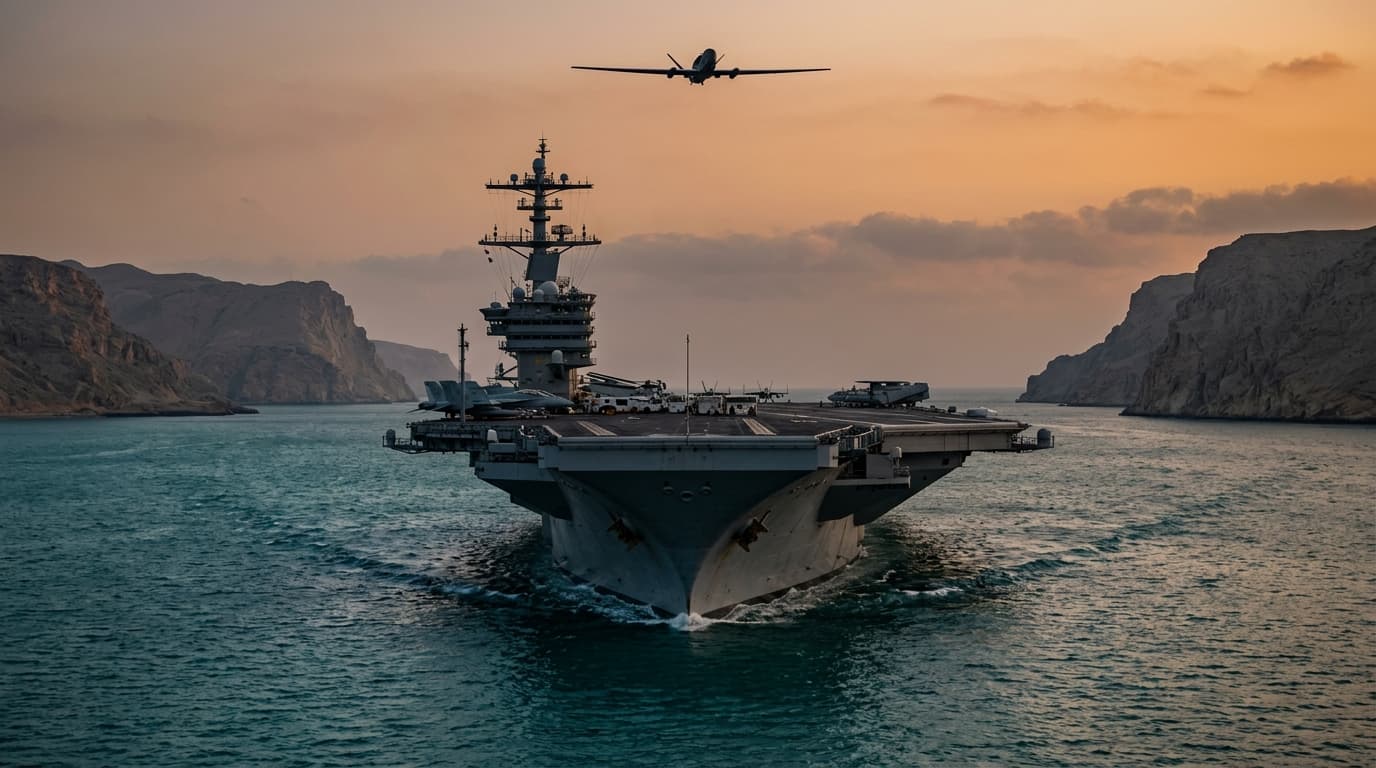
Mohsen Rezaei, a senior commander in the Islamic Revolutionary Guard Corps (IRGC) and military advisor to Iran's Supreme Leader, issued a direct threat Monday evening to target any United States aircraft carrier entering what he described as "illegal" routes in the Strait of Hormuz.
The statement from Mohsen Rezaei marks a significant escalation in Tehran's rhetoric regarding its perceived sovereignty over the Strait of Hormuz, one of the world's most critical maritime chokepoints. Speaking on Monday evening, Rezaei asserted that Iran would no longer permit any passage through the waterway except for routes specifically designated by Tehran. "We will not allow the opening of any route except the one that Iran determines in the Strait of Hormuz," Rezaei stated, according to reports. He added that even if the U.S. deploys an aircraft carrier into what he termed an "illegal route," Iranian forces would launch an attack.
Context of Maritime Friction
This threat follows a pattern of increasing Iranian assertiveness in the region. As The Zioneer has previously reported, the IRGC and other Iranian military branches have frequently claimed exclusive control over the Strait. In July 2026, the IRGC's Khatam al-Anbiya Headquarters issued similar directives, warning commercial and military vessels to adhere to Iranian-mandated lanes or face "immediate and decisive" military action. These claims of authority often clash with international maritime law, which guarantees the right of transit passage through international straits.
Strategic Analysis
Rezaei’s comments appear aimed at testing American resolve following recent escalations. In late June and early July, senior U.S. officials warned Tehran that failure to recognize free passage would lead to "difficult military plans," with reports indicating that U.S. forces have previously struck IRGC infrastructure near the Strait to deter interference with global shipping. By specifically naming aircraft carriers—the primary symbol of American power projection—Rezaei is signaling that Iran is prepared for a high-stakes confrontation despite the risk of overwhelming U.S. retaliation.
Outlook
The situation remains in a "Developing" state as regional observers monitor for any actual shifts in Iranian naval deployments or U.S. Navy responses. While Iranian officials frequently use bellicose language for domestic and regional consumption, the explicit threat against a carrier group raises the threshold for potential miscalculation. The international community remains focused on whether Tehran will attempt to physically obstruct transit, a move that has historically triggered direct military intervention by Western powers.
4 developments