The Lead
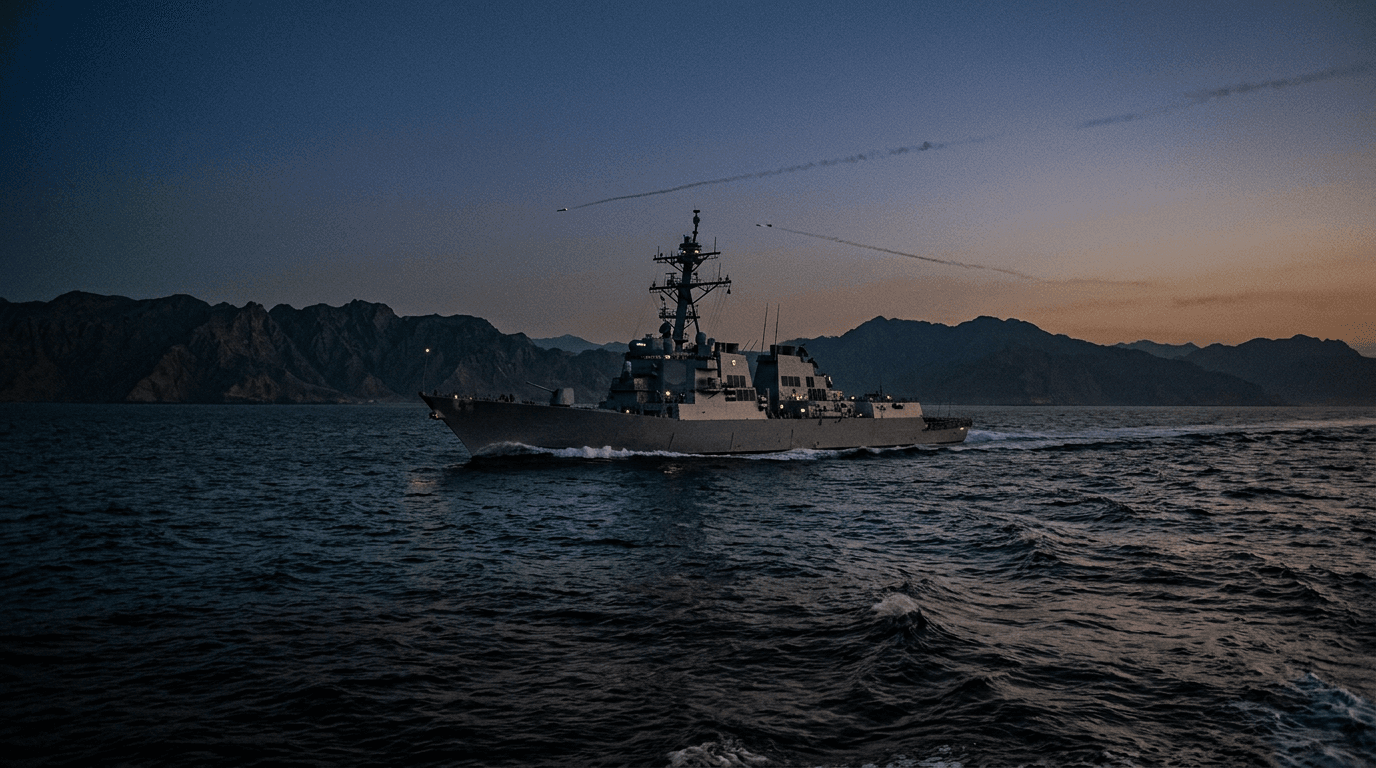
The Islamic Revolutionary Guard Corps (IRGC) has launched several attack drones toward merchant ships every night since the United States and Iran digitally signed a memorandum of understanding (MOU) this past Sunday, according to a senior American official. All of the unmanned aerial vehicles (UAVs) were reportedly intercepted by U.S. forces before they could threaten commercial vessels or American military personnel in the region.
The reported nightly drone launches by the Islamic Revolutionary Guard Corps (IRGC) represent a direct challenge to the diplomatic framework established just days ago. According to a senior U.S. official cited by NBC News, the Iranian activity has been persistent, with multiple UAVs targeting shipping lanes in the strategic Strait of Hormuz each night since the digital signing of the MOU on Sunday. U.S. forces have maintained a high state of readiness, successfully intercepting the threats and coordinating with shipping companies to ensure the safe passage of vessels entering and exiting the waterway.
Diplomatic Friction and Tactical Aggression This development highlights a stark disconnect between high-level diplomatic engagements and the operational conduct of Iranian forces on the ground. The MOU, part of the broader 'Islamabad Agreement' framework, was intended to manage regional tensions; however, the IRGC's continued use of kinetic force suggests a policy of 'negotiating under fire.' Archive records from The Zioneer indicate that this follows a pattern of Iranian maritime harassment, including previous suicide drone launches and warning shots fired at vessels in the Gulf of Oman earlier this month.
Strategic Implications For Israel and its regional allies, the persistence of these attacks despite a formal agreement with Washington underscores the inherent volatility of the Iranian regime's security posture. While American interceptions have prevented damage to commercial shipping thus far, the nightly nature of the launches suggests a deliberate effort by Tehran to test American resolve and the boundaries of the new memorandum. The Zioneer will continue to monitor official statements from U.S. Central Command (CENTCOM) for further verification of the incidents and any potential shifts in the regional security dynamic.
8 developments
- The Zioneer Intelligence Desk