The Lead
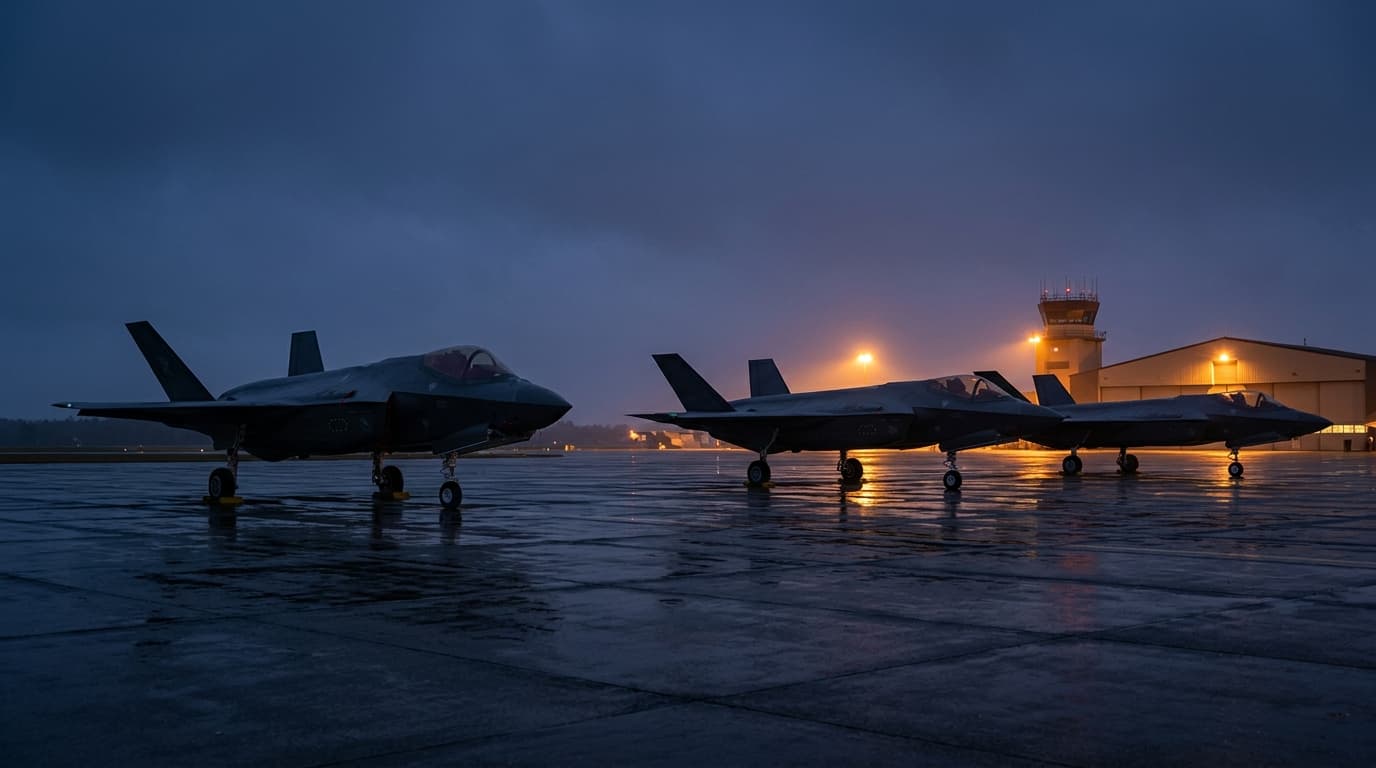
President Donald Trump reiterated his decision early Sunday morning to cancel a planned military strike against the Islamic Republic of Iran, asserting that a principled framework for a diplomatic agreement has been reached. In a comprehensive statement, the President claimed that the United States was prepared with military force not seen since World War II but agreed to a delay following requests from Iran and other Middle Eastern nations. Crucially, Trump stated that the State of Israel has joined him in the commitment to this emerging framework.
President Trump confirmed on Sunday morning that he has halted a scheduled U.S. military operation against Iranian targets, framing the move as a pivot toward a diplomatic resolution. According to the President, the request to suspend the attack came directly from Iranian officials and other regional states after an understanding was reached on the fundamental boundaries of a deal. Trump emphasized that the United States remains "braced, ready and prepared" to act with unprecedented force should the diplomatic track fail, but noted that the current pause serves the "future of the world" and the potential for a "prosperous Iran."
The Framework and Israel's Role
The proposed agreement, as described by the President, rests on two primary pillars: the immediate, full, and absolute opening of the Strait of Hormuz and the definitive end of the Iranian nuclear threat. While previous reports from June 2026 indicated that Jerusalem had distanced itself from prior memorandums of understanding, President Trump explicitly stated in his latest announcement that "the State of Israel joins me in this commitment." This suggests a potential shift in the level of coordination between Washington and Jerusalem regarding the diplomatic path, though Israeli officials have yet to issue an independent confirmation of this joint commitment.
Regional Context and Strategic Stakes
This development follows a period of extreme tension and intensive regional mediation. As The Zioneer reported earlier this week, leaders from Qatar, Pakistan, and the United Arab Emirates have been actively engaged in high-stakes diplomacy to avert a direct kinetic escalation. The current framework appears to be the result of these efforts, aimed at resolving the maritime blockade in the Strait of Hormuz—a critical global energy chokepoint—and addressing the long-standing nuclear standoff. The President’s rhetoric remains a mix of military threat and diplomatic opening, urging all parties to "go to work" to finalize the agreement quickly.
Analysis and Outlook
The situation remains in a "Developing" state, as the specific mechanisms for verifying the end of the nuclear threat and the permanence of the maritime opening have not been detailed. While the President presents a unified front with Israel, the security establishment in Jerusalem has historically maintained a high degree of skepticism toward frameworks that do not include robust enforcement. The coming hours will be critical in determining whether this pause leads to a formal signing or if the "unprecedented" military force described by Trump will be remobilized. For now, the focus shifts to the diplomatic teams tasked with turning this principled framework into a binding reality.
9 developments
- The Zioneer Intelligence Desk
- IDF confirms elimination of Oct. 7 Nir Oz infiltrator, Nukhba cell head Abu Labad
- Saturday evening: IED blast in central Moscow restaurant kills three, wounds at least 21
- Ukrainian drone strike hits Wildberries distribution center in Novosemeykino, reports say
- Iranian media mock Trump, call his statement 'desperate lie' as he 'retreats'