The Lead
President Donald Trump issued a stark warning to the Iranian regime on Tuesday evening, declaring that the United States is "not done" with Iran and remains prepared to strike any nuclear facility the Islamic Republic attempts to reactivate. Speaking as direct kinetic tensions continue to simmer, the President emphasized that the naval blockade of the Strait of Hormuz remains in effect and warned of a massive escalation should Iranian forces target commercial vessels.
President Donald Trump's remarks on Tuesday evening underscore a policy of sustained military deterrence against Tehran. According to reports from Israeli journalists Moriah Asraf and Doron Kadosh (N13 / Army Radio), the President asserted that Iran "hasn't seen anything yet," characterizing previous U.S. actions as relatively restrained. "We were nice," Trump noted, while vowing that any Iranian attempt to restart nuclear operations would be met with immediate force.
Targeting Nuclear Infrastructure
The President's comments specifically addressed reports of new or reactivated nuclear sites, including references to Mount Machush (Har HaMachush). Trump stated that the U.S. would "definitely strike" any such facility, claiming that the damage already inflicted on Iran's strategic infrastructure would take the regime 20 to 25 years to repair. This stance aligns with the broader U.S. objective of ensuring Iran does not achieve nuclear weapons capability, even as the regime attempts to rebuild following recent air campaigns.
The Hormuz Blockade and Maritime Security
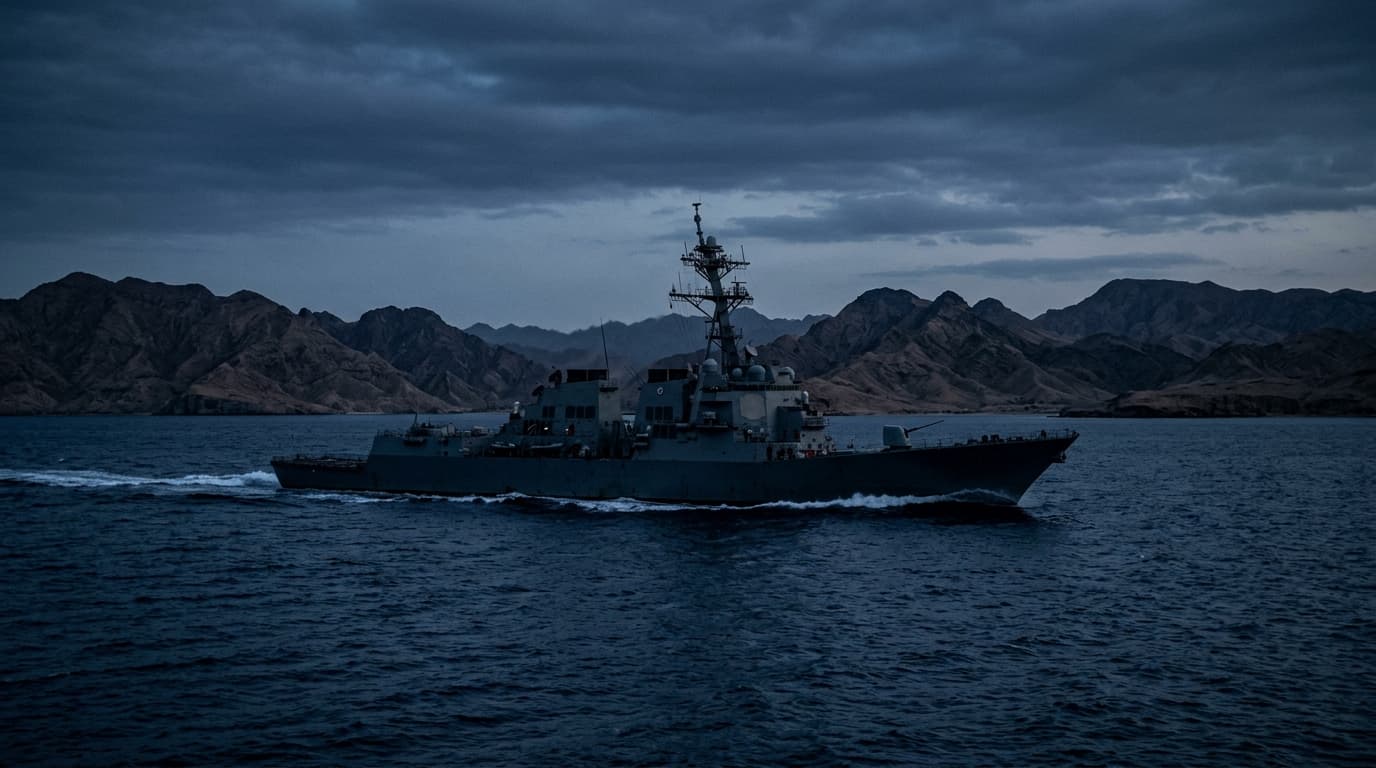
On the maritime front, the President confirmed that the U.S.-led blockade of the Strait of Hormuz continues. He issued a specific warning regarding commercial shipping: should Iran target merchant vessels, the U.S. response will be "ten times" the force of the initial provocation. This follows a period of intense naval friction in the Persian Gulf, where the U.S. has transitioned from diplomatic frameworks to active enforcement of a naval blockade following the collapse of prior agreements.
Strategic Context
These developments come as the U.S. remains engaged in a direct confrontation with the Iranian regime. While regional actors like Lebanese President Joseph Aoun have recently met with Trump to discuss a pivot away from Iranian influence, the White House appears focused on maintaining a "maximum pressure" military posture. The President's rhetoric suggests that despite any back-channel diplomatic efforts, the U.S. military remains on high alert to prevent Iranian nuclear breakout and ensure the security of global energy corridors.
7 developments
- The Zioneer Intelligence Desk