The Lead
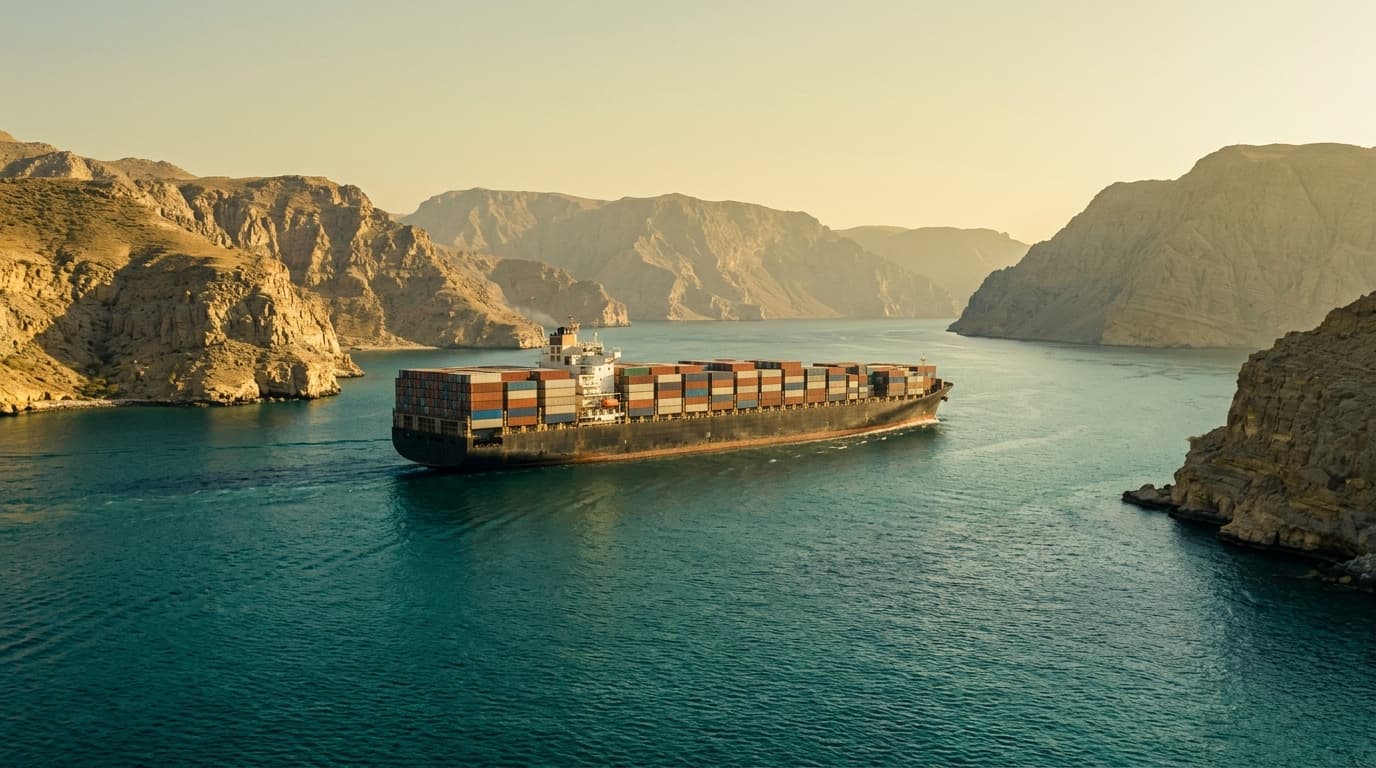
The United States and Gulf states have formally rejected an Iranian demand to impose transit fees on commercial vessels in the Strait of Hormuz, according to a report by the Wall Street Journal. The rejection comes amid fragile diplomatic negotiations in Oman, where Tehran is seeking sanctions relief and guarantees against future attacks, while regional governments demand assurances that Iran and its proxies will cease threatening maritime security.
Negotiations aimed at stabilizing the Strait of Hormuz have hit a significant impasse as the United States and its regional partners push back against Tehran's financial and strategic demands. According to the Wall Street Journal, Iran initially signaled a willingness to accept a proposal where it would maintain a degree of oversight over vessels entering the Persian Gulf. However, the Islamic Republic subsequently expanded its list of demands to include the right to collect transit fees, an end to the U.S. naval blockade, and significant relief from sanctions targeting its oil exports.
As The Zioneer reported earlier this week, Iranian sources had indicated that Tehran was seeking a fee as high as 7% of cargo value, while U.S. officials were reportedly attempting to negotiate a lower rate or eliminate the concept of tolls entirely. The latest reports confirm that Washington and Gulf capitals have now formally rejected the fee demand, viewing it as an unacceptable monetization of a critical international waterway.
Security Concerns and Proxy Threats
The diplomatic friction is exacerbated by recent kinetic activity in the region. Gulf states have reportedly warned Iran that an attack on a cargo ship yesterday endangers the ongoing diplomatic efforts. These regional governments are demanding a deal that includes explicit assurances that neither Iran nor its proxy groups will pose a threat to their territories or commercial interests.
Internal Iranian politics further complicate the prospects for a resolution. Hardline elements within the Islamic Revolutionary Guard Corps (IRGC) have expressed opposition to any agreement that does not formally recognize Iran's sovereign control over the strait. According to mediators, the IRGC has yet to officially respond to the latest proposal, with senior officials in the organization suggesting that Tehran is prepared for a prolonged confrontation if its demands are not met.
Strategic Outlook
The current standoff highlights the fragility of the 'peace through strength' posture currently being tested in the Middle East. While the United States continues to coordinate with regional allies to ensure freedom of navigation, the IRGC's insistence on controlling the world's most critical energy chokepoint remains a primary flashpoint. The outcome of the talks in Oman will likely determine whether the region moves toward a regulated maritime framework or returns to the cycle of blockades and kinetic strikes seen earlier this year.
4 developments
- The Zioneer Intelligence Desk
- Iranian source: Tehran demands 7% Strait of Hormuz transit fee, US pushing for 5%Editorially linked
- Iran Targets Southern Hormuz Shipping to Enforce Protection PaymentsRelated analysis
- IRGC demands 7% transit fee for all vessels passing through Strait of HormuzRelated analysis
- Iranian Negotiating Team Member Warns: 'You Will Pay at Hormuz — That Is Final'Related analysis
- IAF launches wave of strikes in southern Lebanon, footage from Wadi Saluki
- Emirati report: US lifts operational restrictions on Israeli Air Force over Iraq, Lebanon
- ZAKA deputy director recounts October 7 horrors: 'Nothing could have prepared me'
- Trump announces largest US shipyard since WWII at Sparrows Point, Maryland