The Lead
American and Iranian delegations officially opened mediated negotiations at the Burgenstock resort in Switzerland on Sunday, focusing on a ceasefire in Lebanon and the implementation of the 'Islamabad Agreement' framework. As the talks commenced, Iranian officials issued a sharp ultimatum, linking the reopening of the Strait of Hormuz to a complete Israeli withdrawal from Lebanon and the lifting of U.S. oil sanctions.
Negotiations Under Fire
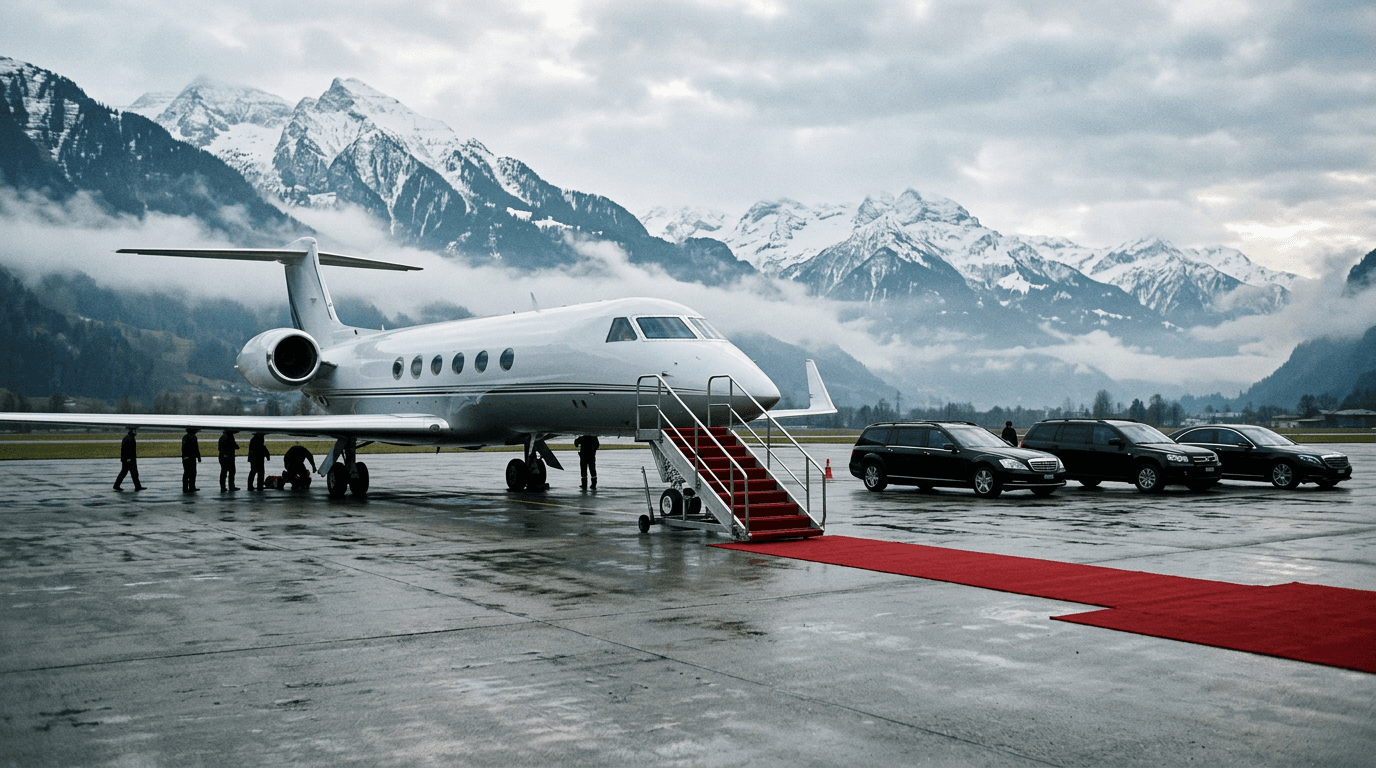
Delegations from the United States and Iran began high-stakes meetings in Switzerland on Sunday, facilitated by mediators from Pakistan and Qatar. U.S. Vice President JD Vance arrived at the summit to lead the American team in what has been described as a critical effort to formalize the Islamabad Memorandum of Understanding (MOU). According to material reviewed by The Zioneer Intelligence Desk, the agenda was expanded to include an emergency session specifically addressing the ongoing conflict between Israel and Hezbollah in Lebanon.
Iranian Foreign Ministry spokesman Esmaeil Baghaei emphasized that Tehran views a ceasefire on all fronts—specifically Lebanon—as the primary requirement for progress. Baghaei stated that without the implementation of "Article 1," which concerns ending the war, it would be impossible to proceed toward a final agreement.
The Hormuz Ultimatum
Parallel to the diplomatic track, Iran has leveraged its control over the Strait of Hormuz to exert strategic pressure. Reports from IRGC-affiliated outlets, including Fars News and Tasnim, confirm that the waterway remains closed to commercial traffic. A source close to the Iranian negotiating team clarified that the IRGC Navy will not issue transit permits until Israel halts its operations in Lebanon and the U.S. fulfills commitments regarding the release of frozen assets and oil-sale waivers.
This linkage represents a significant escalation in the "negotiating under fire" doctrine. While the U.S. and Iran engage in diplomacy, the maritime blockade continues to impact global energy markets, with Tehran insisting that Lebanon's territorial integrity is now inseparable from the freedom of navigation in the Gulf.
Strategic Outlook
The inclusion of an emergency Lebanon session highlights the degree to which the Israel-Hezbollah conflict has become the central pivot of U.S.-Iran relations. While Israel is not a formal party to these talks, the demands issued in Switzerland directly impact IDF operational planning and Israeli national security. The Zioneer Intelligence Desk notes that the outcome of this summit will likely determine whether the region moves toward a structured de-escalation or a deepened maritime and territorial confrontation.
8 developments
- The Zioneer Intelligence Desk
- Iran-US talks begin in Switzerland with Qatari, Pakistani mediatorsEditorially linked
- Iran delegation walks out of US talks in Switzerland after Trump threatEditorially linked
- Araghchi: Any Israeli attack on Lebanon now breaches US-Iran deal; new talks FridayEditorially linked
- First round of US-Iran talks in Switzerland concludes with 'encouraging progress,' joint statement saysEditorially linked