The Lead
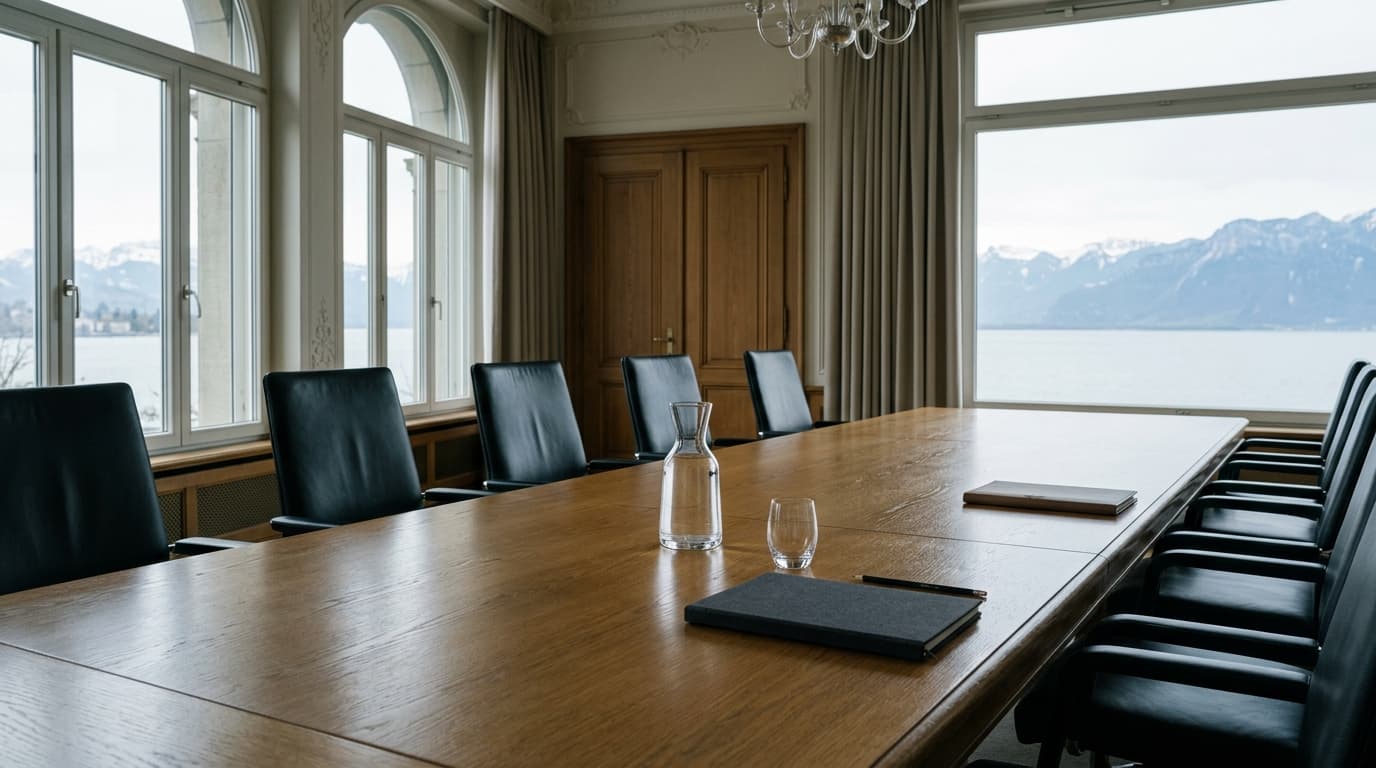
High-stakes negotiations between the United States and Iran officially commenced in Switzerland on Sunday afternoon, with Qatari and Pakistani mediators joining the opening sessions. According to reports from Amit Segal (N12) and other regional sources at 14:20 Jerusalem time, the talks have immediately pivoted toward an emergency session regarding a ceasefire between Israel and Hezbollah, reflecting the acute pressure of the northern front alongside the broader Iranian nuclear file.
The formal opening of the Switzerland summit marks a transition from preliminary diplomatic contacts to direct, mediated engagement. While the American delegation, led by Vice President JD Vance, and the Iranian delegation, headed by Parliament Speaker Mohammad Bagher Qalibaf, arrived earlier today, the current phase of the dialogue involves trilateral and quadrilateral formats. According to material reviewed by The Zioneer Intelligence Desk, the Swiss Foreign Ministry emphasized that the ongoing dialogue itself constitutes a significant contribution to the implementation of regional agreements, despite the challenges involved.
Prioritizing the Northern Front
Reports from CBS News and Iranian state media indicate that the conflict between Israel and Hezbollah has been elevated to the first item on the agenda. This shift follows intense pressure from Tehran, which is reportedly seeking to alleviate the military situation in southern Lebanon. Sources suggest that the Iranian delegation is particularly concerned with the IDF's operations against strategic infrastructure, including the 'Imad 4' tunnel complex. While the U.S. is reportedly exploring ceasefire frameworks, an Israeli political official reiterated that IDF forces will remain in the security zone as long as necessary to protect the northern border.
Analysis and Strategic Gaps
The inclusion of Qatar and Pakistan as mediators underscores the complexity of the current diplomatic track. Qatar has historically served as a bridge between Washington and Tehran, while Pakistan's involvement follows recent calls from Islamabad for regional restraint. However, the rhetoric from Tehran remains dual-tracked: while negotiators sit in Switzerland, Abdollah Haji Sadeghi, the representative of the Iranian Supreme Leader to the Islamic Revolutionary Guard Corps (IRGC), stated today that Iran will "never be friends with America" and remains committed to the elimination of the "Zionist entity."
Outlook for Israel
For Israel, the Switzerland talks represent a double-edged sword. While a diplomatic resolution could lower the intensity of the multi-front conflict, there is significant concern in Jerusalem regarding potential U.S. pressure for a premature withdrawal from southern Lebanon. The Zioneer Intelligence Desk will continue to monitor whether these emergency sessions lead to a formal memorandum of understanding or if the fundamental gaps between the parties—particularly regarding Israeli security requirements—remain unbridgeable.
10 developments
- The Zioneer Intelligence Desk
- US-Iran talks open in Switzerland, Iran links Hormuz reopening to Lebanon withdrawalEditorially linked
- Pakistan PM Sharif and Army Chief Arrive in Switzerland for US-Iran TalksEditorially linked
- Quadrilateral meeting opens in Doha to discuss Lebanon crisisEditorially linked
- Saudi channel: First round of US-Iran technical talks set for Friday in ZurichEditorially linked
- Turkey, Pakistan deploy troops to Saudi Arabia under Mecca Defense Pact amid Houthi escalation
- Trump approves firing-squad execution for Fort Hood terrorist Nidal Hasan
- Former German spy chief August Hanning arrested on suspicion of espionage, treason
- Defense Minister Katz: Israel preparing for war against Palestinian Authority