The Lead
Iranian negotiators are openly acknowledging their limited ability to shape the outcome of ongoing talks, according to a Wall Street Journal report citing officials from mediator countries. The report highlights a deepening rift within the Iranian leadership, where the Islamic Revolutionary Guard Corps (IRGC) is signaling a return to maritime aggression if economic demands are not met, while President Masoud Pezeshkian has reportedly threatened to resign to underscore the severity of the country's economic crisis.
Internal Paralysis and Negotiator Constraints
According to mediators cited by the Wall Street Journal, Iranian representatives have become unusually candid about their lack of authority. They reportedly admit to being under heavy pressure to deliver immediate economic relief, yet acknowledge they possess little leverage to influence the final terms of any agreement. This internal constraint is exacerbated by the difficulty supporters of a deal face in reaching Supreme Leader Ali Khamenei. President Masoud Pezeshkian has reportedly gone as far as threatening resignation to secure an audience with Khamenei, aiming to convey that Iran's economic situation has reached a critical threshold that necessitates a diplomatic resolution.
The IRGC's Maritime Ultimatum
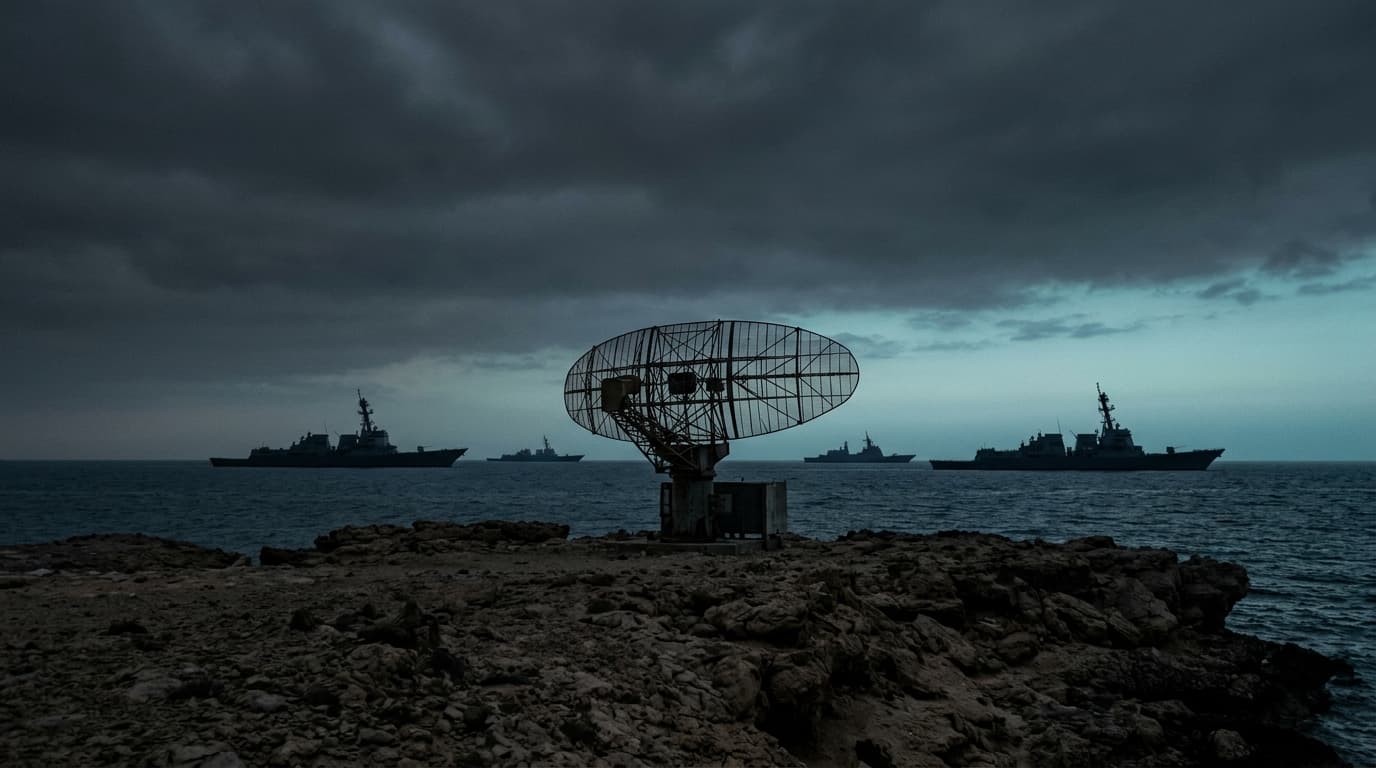
While the diplomatic track falters, the Islamic Revolutionary Guard Corps (IRGC) continues to project a more confrontational stance. Domestically praised for recent operations against U.S. interests, the IRGC is signaling that it may resume attacks on commercial shipping if the negotiations do not yield sufficient profits for the regime. This threat looms over the expanded talks, which mediators have widened to include significant sanctions relief for oil exports and the release of frozen funds. The IRGC's stance reflects a long-standing pattern, as The Zioneer has previously reported, where the paramilitary force asserts direct control over maritime security to leverage international concessions.
Strategic Outlook
The current deadlock illustrates the fundamental divide between Iran's "pragmatic" camp, seeking to alleviate sanctions, and the hardline IRGC leadership, which views kinetic friction as a primary tool of statecraft. For Israel and regional partners, the IRGC's threat to renew ship attacks underscores the fragility of any potential arrangement. The situation remains developing as mediators attempt to bridge the gap between Tehran's economic desperation and the IRGC's escalatory posture.
- The Zioneer Intelligence Desk
- WSJ: Iran's Hardliners Violate MOU, Accelerate War Preparations Against US and IsraelEditorially linked
- IRGC Navy Chief Threatens Imminent Retaliation Against US and IsraelEditorially linked
- Iraq declares IRGC Quds Force commander Ismail Qaani persona non grata, orders expulsionEditorially linked
- Iranian currency collapse continues: dollar reaches 227,000 tomanEditorially linked