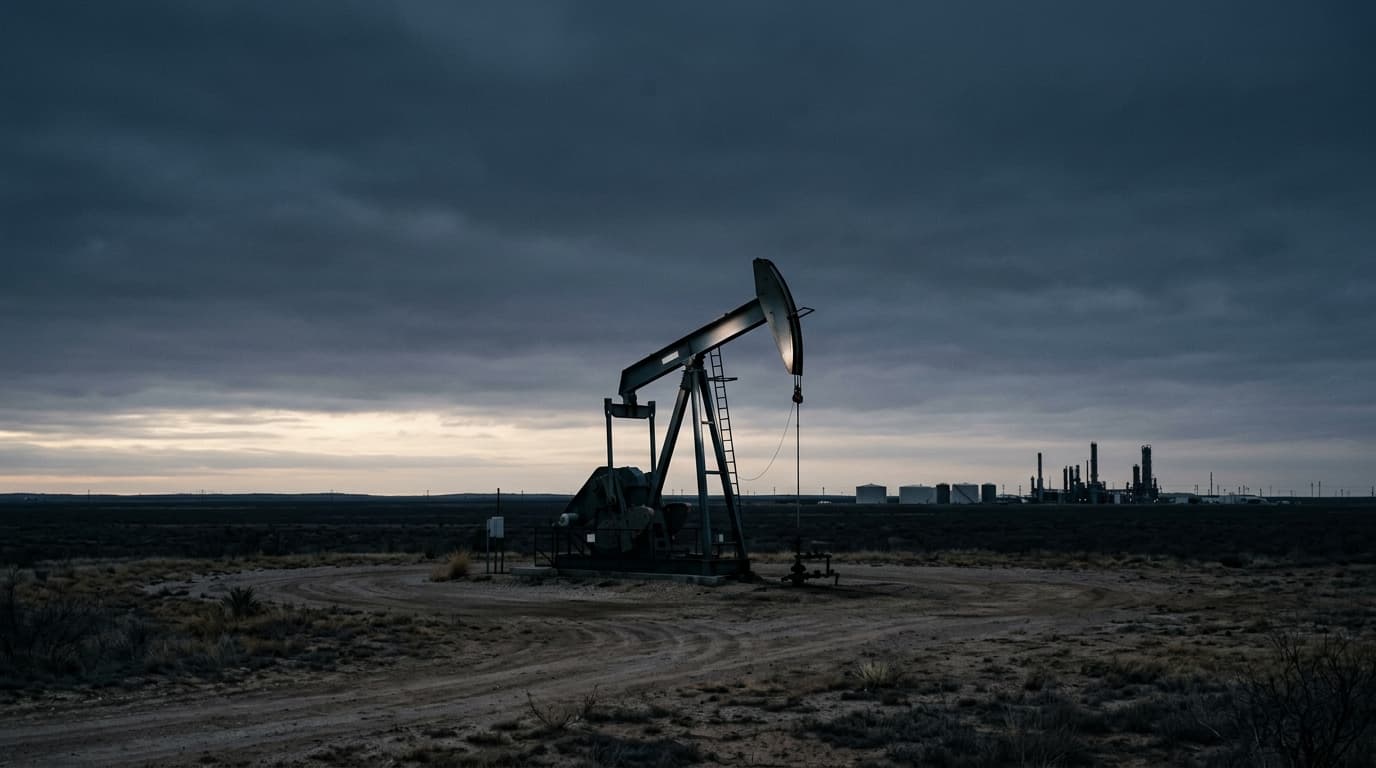
Brent crude oil climbed above $81 a barrel Tuesday afternoon, according to market reports, as escalating tensions in the Middle East fuel concerns over disruptions to global energy supplies. The rally follows Iranian attacks on commercial shipping, U.S. strikes on Iranian military targets, and the reinstatement of the U.S. naval blockade on Iran, significantly reducing traffic through the Strait of Hormuz.
Brent crude oil traded above $81 per barrel Tuesday afternoon, according to market reports, retreating from an intraday spike to approximately $85 but remaining elevated as the U.S. naval blockade on Iran is set to resume tonight at 23:00 Jerusalem time. The Zioneer reported earlier today (Tue 11:33 Jerusalem) that maritime traffic through the Strait of Hormuz had nearly halted, pushing oil to $85, and that prices had surged again after U.S. sanctions on Iran. The current level reflects continued market pricing of geopolitical risk from the ongoing U.S.-Iran confrontation, including Iranian attacks on commercial shipping, American strikes on Iranian military targets, and the reinstated blockade.
The thread of developments began Monday evening (Jul 13, 18:33 Jerusalem) when The Zioneer reported the collapse of the U.S.-Iran ceasefire and a renewed U.S. naval blockade threat. Later that evening, CENTCOM announced the blockade would resume Tuesday at 23:00 Jerusalem, with enforcement details including statistics from the previous blockade period (April 13–June 18). The Times of Israel confirmed the timeline, and the U.S. Navy specified the blockade would cover all Iranian coastlines. By Tuesday morning, Bloomberg data showed Strait of Hormuz traffic nearly halted, driving oil to $85. The current $81+ price represents a slight pullback but remains above the $80 threshold crossed on Wednesday, July 8.
The Zioneer has tracked oil price volatility tied to the U.S.-Iran confrontation for weeks. On Monday evening (Jul 13, 21:17 Jerusalem), oil jumped more than 8% as conflict worsened. On Wednesday, July 8, Brent passed back above $80 on renewed conflict concerns. The Strait of Hormuz, which handles roughly 20% of global petroleum traffic, has been a central flashpoint since Iran declared its closure on June 11. U.S. sanctions on Iran over Hormuz incidents on July 7 also contributed to supply concerns.
What remains open is the actual enforcement of the blockade beginning tonight and its immediate impact on shipping and oil prices. It is also unclear whether Iran will attempt to disrupt traffic further or retaliate against the blockade, which could trigger additional price spikes.
14 developments
Source and signal
- Internal intake